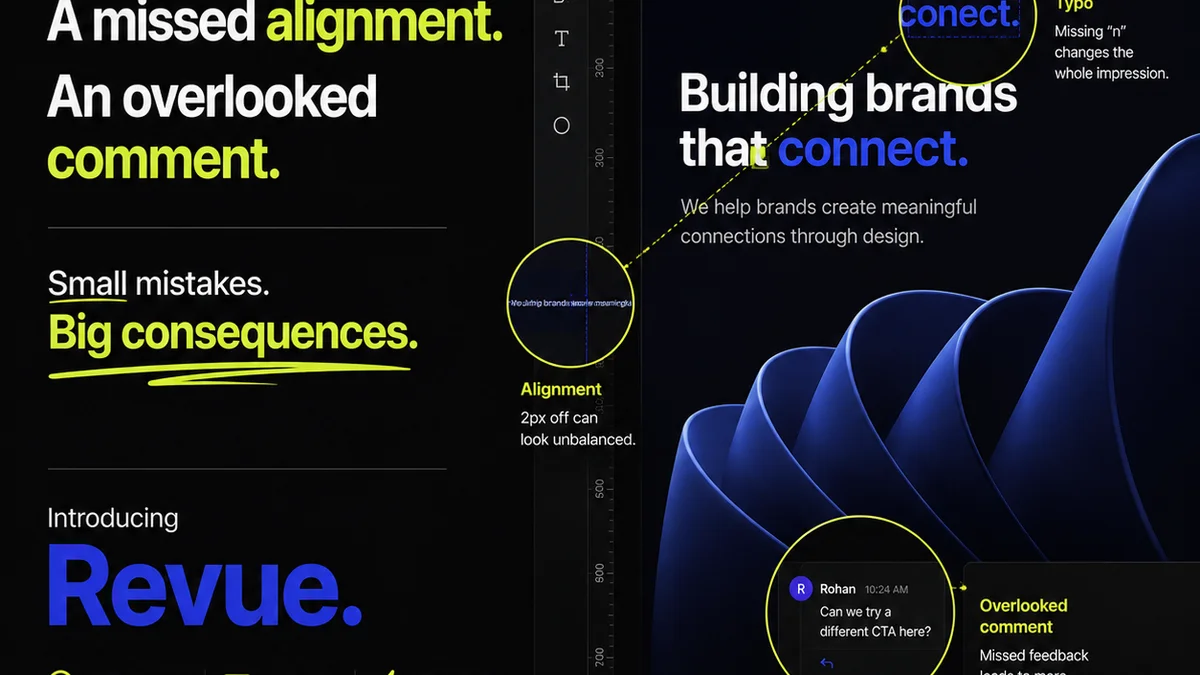
Everyone agrees designers need good feedback. It’s the lifeblood of creative projects, the fuel for iteration, the bridge between client vision and final execution. But let’s be honest: most feedback is terrible.
Vague, contradictory, or just plain unhelpful. Sound familiar?
That’s the common complaint. And it’s not wrong. But it’s incomplete.
The hard truth is, the problem isn’t just *receiving* bad feedback. It’s about how we *structure* the entire feedback process. It’s about setting expectations and creating a system that *demands* clarity from clients and makes it easy for designers to act. Without that, you’re just hoping for the best.
1. The Feedback Illusion: Why
Frequently asked questions
What's the difference between vague and actionable feedback?
Vague feedback is subjective and hard to measure, like 'I don't like it' or 'Make it pop.' Actionable feedback is specific, objective, and provides clear direction, such as 'Reduce the font size of the headline by 2px' or 'Change the button color to hex code #007bff.'
How can designers encourage clients to give better feedback?
Set clear expectations upfront about the feedback process. Use structured feedback forms or tools that prompt specific types of input. Schedule dedicated feedback sessions rather than relying solely on email. Clearly define what aspects are open for revision and what are final decisions.
Can feedback tools automate the process of making feedback actionable?
Tools like Revue can centralize feedback, making it easier to track and manage. They provide a clear audit trail and can flag conflicting comments. While tools don't 'make' feedback actionable on their own, they create the environment where actionable feedback can be solicited, organized, and implemented more efficiently.
What's the role of the project manager in handling design feedback?
The project manager is the crucial intermediary. They should clarify ambiguous feedback, translate client needs into designer tasks, manage expectations on both sides, and ensure feedback is logged and tracked through the revision process. They act as a filter and facilitator.