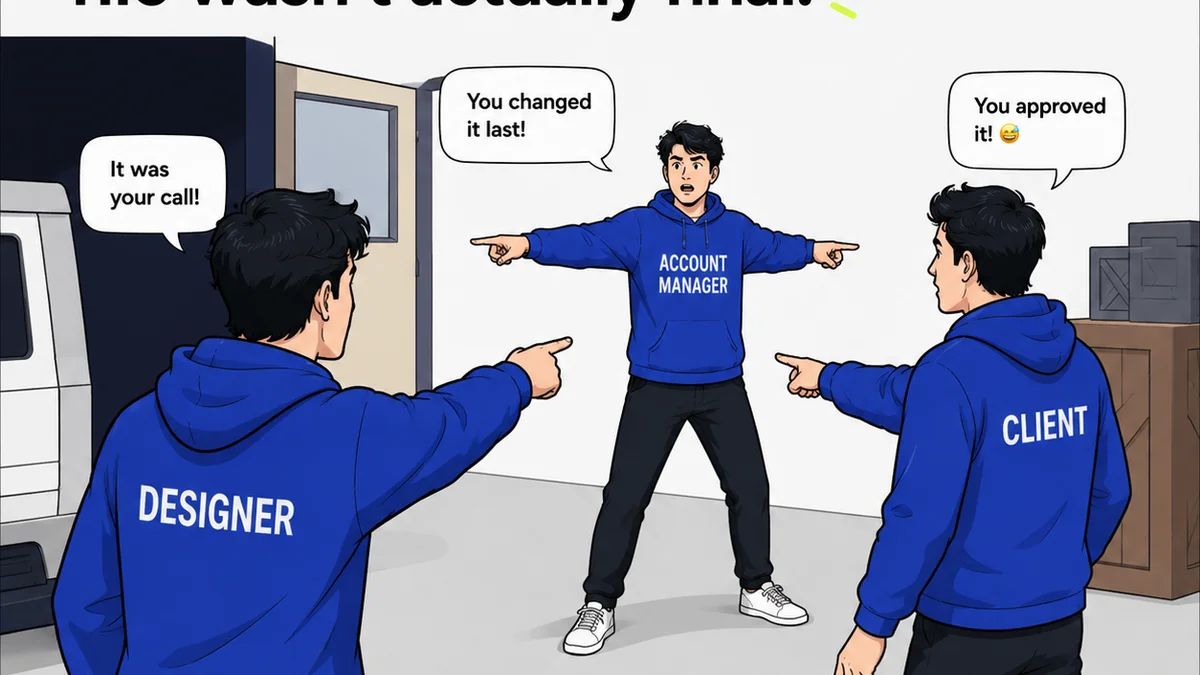
Everyone talks about agency-client collaboration. They say it’s about clear communication, setting expectations, and building relationships. None of that is wrong. But it’s incomplete.
The hard truth is that great collaboration isn’t just about being nice or having a few extra meetings. It’s about building a robust operational framework that anticipates problems and streamlines the entire creative process. It’s about making collaboration a predictable system, not a hopeful outcome.
1. Define the Playing Field: Scope & Deliverables
Ambiguity is the enemy of efficient collaboration. Before any pixels are pushed or copy is drafted, the scope of work and specific deliverables must be crystal clear. This isn't a suggestion; it's a non-negotiable foundation.
The Illusion of 'Flexibility'
Clients often ask for flexibility. Agencies might offer it to seem accommodating. But unchecked flexibility is a fast track to scope creep, budget overruns, and strained relationships.
Real flexibility comes from a well-defined scope that allows for thoughtful adjustments, not from a free-for-all where anything goes.
Document Everything. Seriously.
A Statement of Work (SOW) or a clear project brief is your first line of defense. It should detail:
- Specific objectives and KPIs.
- Tangible deliverables (e.g., 3 social media ad concepts, 1 website landing page design, 5 blog post drafts).
- Key milestones and timelines.
- The number of revision rounds included.
- The process for handling out-of-scope requests.
- Approval processes and sign-off points.
This document isn't just for the client; it's your internal compass. It keeps everyone honest and aligned.
2. The Feedback Loop: From Chaos to Clarity
Feedback is the lifeblood of creative work, but it’s often a major bottleneck. Unstructured, vague, or conflicting feedback can derail progress faster than almost anything else.
The goal is to transform feedback from a chaotic exchange into a structured, actionable process.
Identify the Right Stakeholders
Who needs to provide feedback? Not everyone in the client's organization needs to weigh in on every iteration. Identify the key decision-makers and subject matter experts early on.
Excessive stakeholders lead to diluted opinions and decision paralysis. Keep the feedback circle tight and focused.
Standardize Feedback Channels
Email chains, Slack messages, random document comments – these are all recipes for disaster. Establish a single, centralized platform for all feedback.
This ensures that no comment gets lost and that everyone is working from the latest version. It also creates an audit trail.
Train Clients on Giving Good Feedback
Many clients don’t know *how* to give effective creative feedback. They might say “I don’t like it” or “Make it pop more.” That’s not actionable.
Educate your clients on what good feedback looks like:
- Be specific: Instead of “I don’t like the color,” try “The blue feels too corporate; can we explore warmer tones?”
- Reference objectives: “Does this design effectively communicate the key benefit of speed?”
- Distinguish preference from strategy: “My personal preference is for a minimalist look, but I understand the brief requires a more vibrant feel to attract a younger audience.”
- Focus on the 'what' and 'why': What needs to change, and why is that change necessary for the project's goals?
This might feel like an added burden, but it saves immense time and frustration down the line.
3. Revision Management: The Art of the Iteration
Revisions are inevitable. How you manage them determines project success or failure. It’s not about avoiding revisions; it’s about making them efficient and productive.
Set Clear Revision Limits Upfront
Your SOW should specify the number of revision rounds included for each deliverable. This manages expectations and prevents endless tweaking.
Be firm but fair. If a client requests more rounds than agreed upon, it’s time for a conversation about scope adjustment and potential additional costs.
Track Changes Visibly
Clients need to see what’s been changed between versions. This builds confidence and ensures everyone is looking at the same iteration.
Version control is critical. Use clear naming conventions (e.g., `ProjectName_Deliverable_v3_ClientApproved`) and maintain a history of all versions.
The 'Final' Approval Trap
Getting a client to say “This is final” is a victory. But what happens when they come back a week later with “one tiny change”?
Establish a clear definition of ‘final approval.’ This usually means sign-off from the authorized stakeholders. Once signed off, any further changes should trigger a formal change request process.
4. Communication Cadence: Predictability Over Responsiveness
Constant, ad-hoc communication can feel collaborative, but it often leads to fractured focus and missed details. Predictable communication beats reactive communication every time.
Scheduled Check-ins, Not Constant Ping-Pong
Instead of relying on a flurry of emails and Slack messages, implement scheduled, purposeful check-ins. This could be:
- Weekly status meetings.
- Bi-weekly project reviews.
- Milestone-based debriefs.
These meetings should have clear agendas and defined outcomes. They are for making decisions and aligning, not for casual chit-chat.
Utilize a Central Hub for Updates
A central project management tool or platform where all project information, status updates, and communication logs reside is invaluable. This reduces the need for constant status requests.
When clients know they can find the latest update or answer to a common question in one place, it reduces their need to interrupt your team.
Escalate Appropriately
Not every issue needs to go to the CEO. Establish clear escalation paths for both the agency and the client. This ensures that problems are addressed by the right people at the right level.
5. Leveraging Technology for Seamless Collaboration
The right tools can make or break agency-client collaboration. Relying on scattered documents and email is a recipe for inefficiency.
Centralized Feedback and Approval Platforms
Tools designed for creative workflows are essential. Platforms that allow for direct annotation on designs, videos, and documents, coupled with clear approval workflows, are game-changers.
This eliminates the need to cross-reference feedback from multiple sources and provides a single source of truth for all review cycles.
Project Management Software
Beyond feedback, robust project management software keeps tasks, timelines, and resources visible to both agency and client teams. This transparency builds trust and accountability.
Tools that integrate communication, task management, and file sharing create a unified project environment.
Where Revue Fits In
This is precisely why Revue was built. We saw agencies drowning in scattered feedback, struggling to track revisions, and losing valuable time deciphering client comments buried in email threads or screenshots.
Revue provides a centralized platform where clients can provide clear, contextual feedback directly on creative assets. Our system streamlines the revision and approval process, giving both agency and client visibility into the project's progress and sign-off status. This isn't just about convenience; it's about operationalizing collaboration to ensure quality checks are met and projects are delivered efficiently.
6. Building Trust Through Transparency
Collaboration thrives on trust. Transparency is the bedrock of that trust.
Share the 'Why' Behind Decisions
When presenting creative work or discussing feedback, explain the rationale. Connect your recommendations back to the project objectives and the client's business goals.
This demonstrates that you understand their business and are working strategically, not just aesthetically.
Be Honest About Challenges
If a client request poses a significant technical challenge, is likely to impact the timeline, or has unforeseen implications, communicate it openly and early. Present solutions alongside the problems.
Hiding potential roadblocks erodes trust. Facing them head-on, together, strengthens the partnership.
Celebrate Milestones Together
Acknowledge and celebrate project successes and key milestones. This reinforces the shared journey and the value of the collaboration.
It’s a small gesture that makes a big difference in team morale and client relationships.
Final Thought
The best agency-client collaboration isn’t a happy accident. It’s the result of intentional processes, clear communication protocols, and the right technology. It’s about moving beyond surface-level agreements to build operational structures that ensure projects are delivered not just on time and on budget, but with the highest quality and mutual respect.
Are you building a system for collaboration, or just hoping for it?
Frequently asked questions
What is the most important factor in successful agency-client collaboration?
While many factors contribute, the most critical is establishing clear, documented processes for scope, feedback, and approvals from the outset. This prevents ambiguity and sets predictable expectations for both parties.
How can agencies handle clients who give vague or unhelpful feedback?
Educate clients on providing specific, actionable feedback tied to project objectives. Use a centralized platform where you can ask clarifying questions and guide them toward constructive critique, distinguishing personal preference from strategic needs.
What's the best way to manage revision rounds with clients?
Clearly define the number of revision rounds included in your scope of work. Implement a structured feedback and approval process, and use a version control system to track changes. If more rounds are needed, initiate a formal change request.
How can technology improve agency-client collaboration?
Technology, such as centralized feedback platforms, project management software, and version control systems, can significantly improve collaboration by creating a single source of truth, streamlining communication, and providing transparency into project progress and approvals.