Everyone talks about boosting creative performance in agencies. It’s the holy grail, right? More output, faster turnaround, happier clients. That’s the assumption.
None of that is wrong. But it’s incomplete. It’s like saying a car’s performance is all about top speed. What about braking? Handling? Fuel efficiency?
The hard truth is that true creative performance isn’t about magically making creatives faster or better. It’s about building a system that removes friction, clarifies goals, and ensures every piece of work serves a purpose. It’s about operational excellence, not just artistic flair.
1. Redefine 'Performance' Beyond Output Metrics
Most agencies measure performance by the sheer volume of assets produced or the speed of delivery. This is a common trap.
It incentivizes quantity over quality. It can lead to burnout and rushed work that misses the mark strategically.
Real performance is about impact. Did the creative achieve the client's business objective? Was it on-brand? Was it delivered efficiently, without unnecessary revisions?
What to Measure Instead
- Client objective attainment
- Revision cycle efficiency (fewer, more impactful rounds)
- Client satisfaction scores related to the creative process
- Team capacity and utilization (avoiding burnout)
- Adherence to brand guidelines and strategic brief
Focus on the *quality* of the creative process and its *outcomes*, not just the speed of production.
2. The Brief: Your Foundation for Success
A weak brief guarantees a messy creative process and subpar results. Period.
This isn't just about having a document. It's about the *quality* and *clarity* of the information within it.
Too often, briefs are vague, contradictory, or lack essential context about the client's business and goals.
Building a Better Brief
- Start with the 'Why': What business problem is this creative trying to solve?
- Define Success Clearly: What does a win look like for this specific project? Use measurable KPIs where possible.
- Know the Audience: Who are we talking to? What are their needs and pain points?
- Outline Deliverables & Constraints: Be specific about formats, sizes, usage rights, and any technical limitations.
- Provide Context: Include brand guidelines, competitor examples, and previous campaign performance data if relevant.
A well-crafted brief is the single biggest lever for improving creative performance. It sets expectations and guides the entire team.
3. Streamline Feedback Loops
Disorganized feedback is a performance killer. It leads to confusion, wasted time, and frustration.
Email chains, scattered Slack messages, and verbal comments are black holes for feedback.
You need a centralized system for collecting, organizing, and acting on feedback.
Common Feedback Pitfalls
- Vague comments: “Make it pop more.”
- Contradictory feedback from different stakeholders.
- Feedback arriving after the work has moved to the next stage.
- Lack of clear decision-making authority.
When feedback is siloed, it’s easy for critical notes to get lost or misinterpreted. This directly impacts creative output and client trust.
4. Master the Revision and Approval Process
This is where many agencies stumble. It’s not just about making changes; it’s about managing the *flow* of those changes.
Uncontrolled revisions lead to scope creep, missed deadlines, and a demoralized creative team.
You need clear stages and expectations for revisions and final sign-off.
Key Elements of a Robust Process
- Defined Revision Rounds: How many rounds are included in the scope?
- Consolidated Feedback: Ensure all feedback is gathered before starting revisions.
- Clear Sign-off Authority: Who has the final say?
- Version Control: Always know which version is the most current.
- Time Tracking: Monitor time spent on revisions to identify inefficiencies.
Without structure, revisions become an endless, unproductive cycle.
5. Foster Collaboration, Not Silos
Creative performance suffers when teams operate in isolation. The designer doesn't understand the copywriter's intent, or the account manager is out of the loop on strategic shifts.
Breaking down these silos is crucial.
Shared understanding leads to better creative solutions and a more cohesive final product.
Encouraging Collaboration
- Cross-functional Kick-offs: Get all relevant team members on the same page from the start.
- Regular Check-ins: Short, focused meetings to ensure alignment.
- Shared Project Documentation: Centralized access to briefs, feedback, and assets.
- Inclusive Brainstorming: Encourage input from diverse perspectives.
When everyone understands the 'why' and the 'how,' the creative work is stronger.
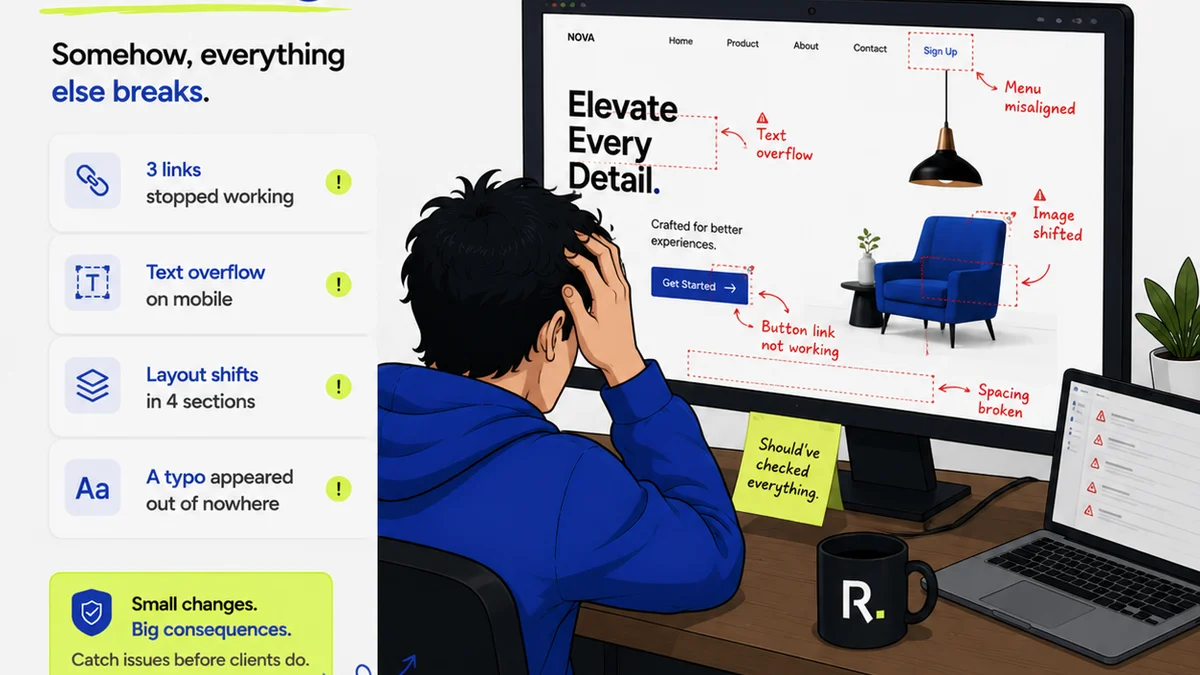
6. Implement Quality Assurance (QA) Checks
Skipping QA is a direct route to client dissatisfaction and damage to your agency’s reputation.
This isn't just about proofreading. It's a systematic check against the brief, brand guidelines, and technical specifications.
Many agencies treat QA as an afterthought, which is a mistake.
Essential QA Steps
- Brief Alignment: Does the final creative meet all requirements of the original brief?
- Brand Consistency: Is it on-brand in terms of tone, visuals, and messaging?
- Technical Accuracy: Are file formats, dimensions, and specs correct?
- Typo & Grammar Check: The basics matter.
- Usability & Accessibility: Especially critical for digital work. Consider WCAG guidelines.
A dedicated QA process prevents embarrassing errors from reaching the client.
Where Revue Fits In
Managing creative performance is an operational challenge. It requires visibility and control over the entire workflow.
Revue is built to tackle this head-on. It centralizes client feedback, making it impossible for crucial notes to get lost in email threads or Slack channels.
You get a clear, chronological record of all comments and discussions, linked directly to the creative assets. This dramatically improves the revision and approval process, reducing ambiguity and speeding up sign-offs.
With Revue, your team can run structured quality assurance checks before delivery, ensuring every piece of work meets the required standards. It brings discipline to the creative process, allowing your team to focus on creating great work, not managing chaotic workflows.
Final Thought
Are you optimizing for speed and volume, or for strategic impact and client success? The distinction is critical for sustainable agency growth.
Frequently asked questions
What is the most important factor for improving agency creative performance?
The most crucial factor is defining creative performance based on strategic impact and client objective attainment, rather than just output volume or speed. This requires a well-defined process, clear briefs, and efficient feedback loops.
How can agencies handle client feedback more effectively?
Agencies can handle client feedback more effectively by centralizing all comments in one platform, ensuring feedback is consolidated before revisions begin, and establishing clear sign-off authority to prevent conflicting or endless revision cycles.
What are the key components of a strong creative brief?
A strong creative brief must clearly define the 'why' (business problem), measurable success metrics, target audience, specific deliverables and constraints, and provide essential context like brand guidelines and competitive landscape.
Why is quality assurance (QA) important for creative work?
Quality assurance is vital to catch errors, ensure brand consistency, verify technical accuracy, and confirm that the final creative aligns with all requirements of the brief before it reaches the client. Skipping QA can lead to dissatisfaction and reputational damage.