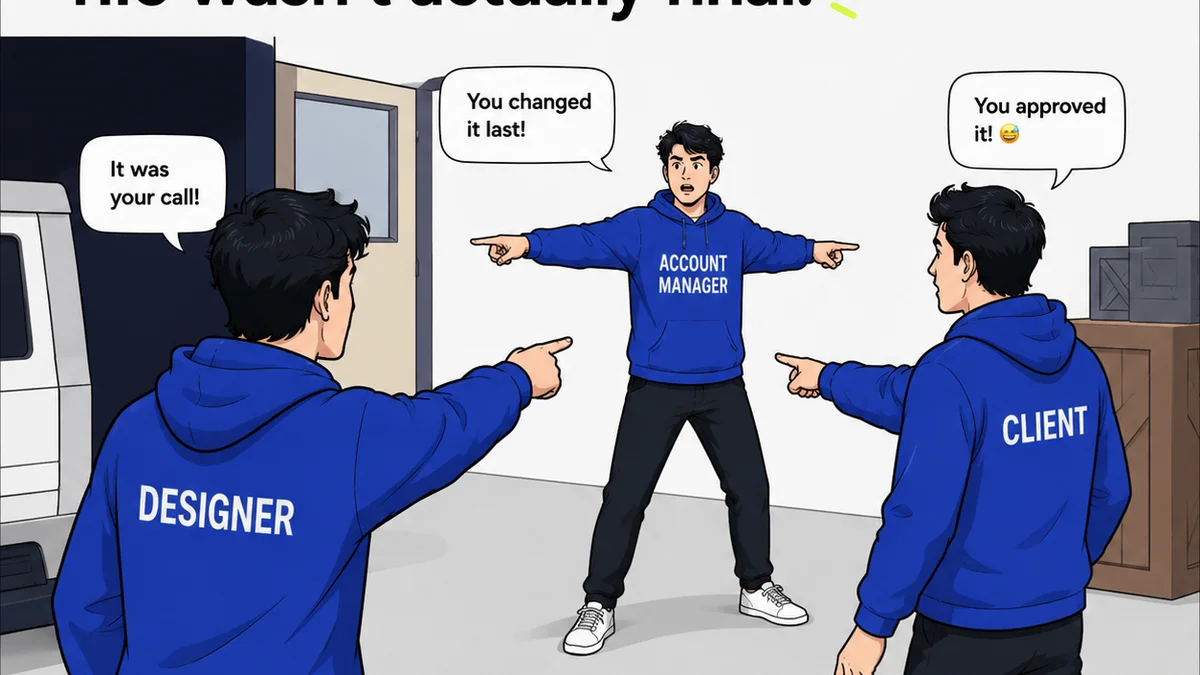
Everyone knows design QA is important. You need to catch typos, broken links, and misaligned elements before launch. That’s the baseline.
But that’s not the whole story.
The real value of design quality assurance for agencies isn't just about making things look pretty. It's about building a predictable, repeatable process that saves time, reduces costly errors, and strengthens client relationships. It’s an operational discipline, not just a final polish.
The Hard Truth About Design QA
Many agencies treat design QA as an afterthought. It’s a quick once-over by the project manager or a junior designer just before delivery. This approach is fundamentally flawed.
It assumes QA is purely about catching visual bugs. It ignores the systemic issues that lead to those bugs in the first place.
A truly effective design QA process integrates quality checks at every stage, from initial concept to final handover. It’s proactive, not reactive. It’s about mitigating risk and ensuring alignment with client goals, not just pixel perfection.
This shift in perspective is crucial for agencies looking to scale efficiently and build a reputation for reliability.
1. Beyond the Checklist: Process Over Polish
A simple checklist is a start, but it’s often too generic. It doesn’t account for the unique complexities of each project, client, or team member’s interpretation of
Frequently asked questions
What is the primary goal of design QA for agencies?
The primary goal is to ensure that creative work meets both aesthetic and functional requirements, aligns with client objectives, and adheres to established brand guidelines and technical specifications before delivery. It's about mitigating risk and ensuring client satisfaction through a repeatable process.
How can agencies make their design QA process more efficient?
Efficiency comes from integrating QA throughout the workflow, not just at the end. Utilizing centralized feedback tools, establishing clear checklists tailored to project types, and empowering team members to conduct peer reviews can significantly streamline the process and reduce last-minute revisions.
What are common mistakes agencies make in design QA?
Common mistakes include treating QA as a last-minute check, relying on a single person's review, using generic checklists without customization, failing to document feedback clearly, and not involving clients in the review process until the final stages. This leads to missed errors and scope creep.
How does client feedback fit into the design QA process?
Client feedback is a critical input for QA. A structured process ensures that client feedback is collected, organized, and addressed systematically. Centralized platforms help track feedback, prevent misinterpretations, and ensure all stakeholders are on the same page, making the QA phase smoother.