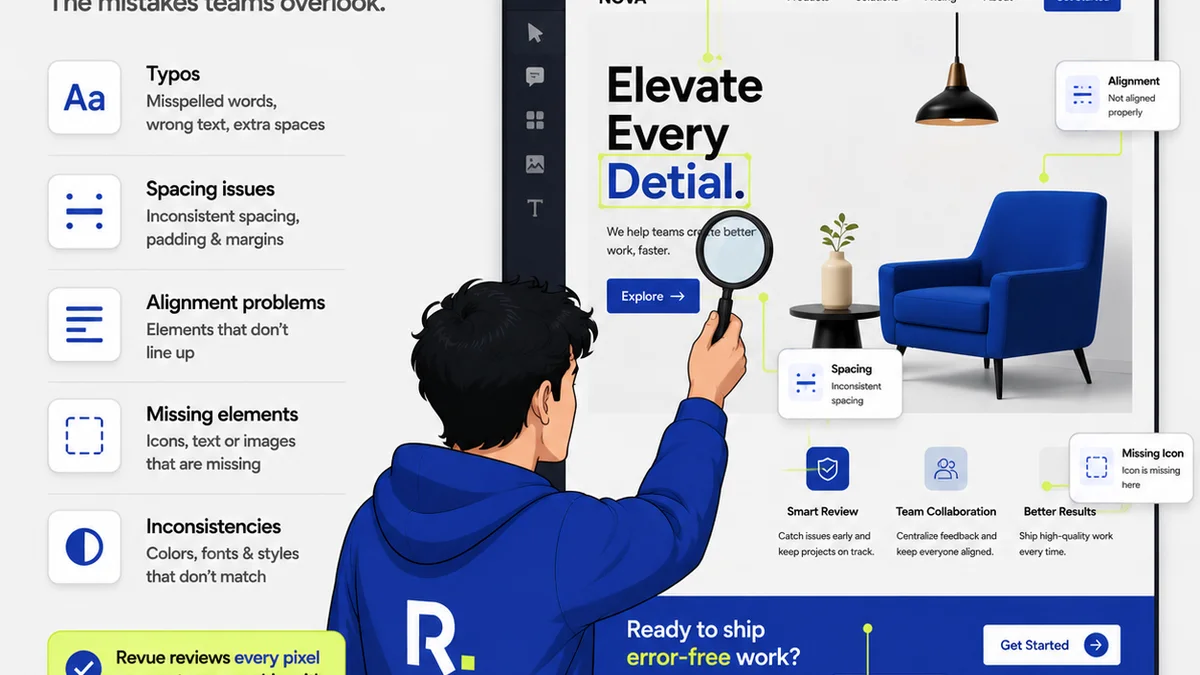
Everyone says agencies need better client feedback. They talk about clarity, context, and constructive criticism. None of that is wrong. But it’s incomplete.
The hard truth? Most agencies don't have a feedback problem. They have a feedback management problem.
You’re collecting feedback, sure. But are you structuring it? Are you acting on it efficiently? Are you ensuring it serves the project, not just the loudest voice?
If your feedback loop feels more like a feedback vortex, sucking time and sanity into the void, you’re not alone. This isn't about softer skills. This is about hard operational discipline.
1. Define What Good Feedback Looks Like
Before you can manage feedback, you need to establish standards. What does actionable feedback even mean for your agency?
It means feedback that is:
- Specific: Not “I don’t like it,” but “The headline is too long, and the call to action is unclear.”
- Actionable: The recipient can actually *do* something with it.
- Objective: Grounded in project goals, brand guidelines, or user needs, not just personal preference.
- Timely: Delivered within agreed-upon review cycles.
- Concise: Avoiding rambling, emotional diatribes.
This isn't about being difficult. It's about efficiency. You can't build a house if the foreman keeps changing the blueprint based on the weather.
The
Frequently asked questions
What is the most common mistake agencies make with client feedback?
The most common mistake is treating feedback collection as an end in itself, rather than a process to be managed. Agencies often focus on *getting* feedback without having systems to organize, prioritize, and act on it efficiently, leading to wasted time and miscommunication.
How can agencies ensure feedback is specific and actionable?
Establish clear guidelines for feedback upfront. Train clients and internal teams on what constitutes useful feedback (e.g., 'The CTA needs to be more prominent' instead of 'I don't like it'). Use tools that allow for contextual comments directly on the creative asset.
What's the difference between feedback and revision requests?
Feedback is commentary and critique. A revision request is a specific instruction based on that feedback, outlining the changes needed. Effective management distinguishes between the two, ensuring feedback is translated into concrete actions without scope creep.
How can an agency prevent scope creep from feedback?
Clearly define project scope and deliverables at the outset. Establish a feedback process that includes defined review rounds and a mechanism for addressing feedback outside the scope (e.g., additional charges or separate SOWs). Centralizing feedback helps track these discussions.