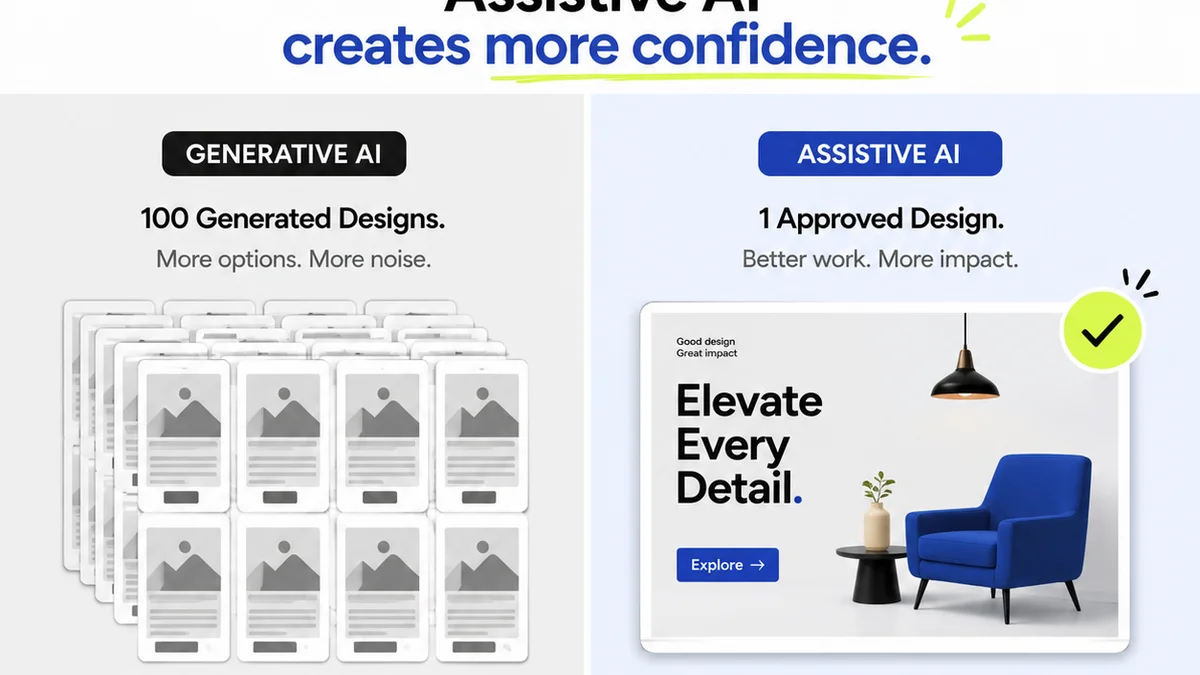
Agencies think feedback software is about faster approvals. That’s the surface-level dream. It’s what the sales decks promise. Faster client sign-offs. Less back-and-forth. Smoother project delivery.
None of that is wrong. But it’s incomplete. It misses the forest for the trees.
The hard truth? The real value of client feedback software isn’t speed. It’s clarity. It’s control. It’s the ability to turn chaotic client input into actionable steps that improve the final creative output.
Most agencies get bogged down in the *mechanics* of feedback. They want a tool to collect comments. To track versions. To get that elusive sign-off button clicked.
But the best software doesn’t just collect comments. It helps you *manage* the entire feedback lifecycle. From initial input to final QA. It brings order to the inherent messiness of creative collaboration.
1. Centralize Everything: Break Down the Silos
Your clients are not a monolith. They’re a collection of individuals, departments, and sometimes, competing interests. Their feedback can come from anywhere: email, Slack, a quick call, a carrier pigeon.
Trying to consolidate this is a nightmare. It leads to:
- Lost feedback in overflowing inboxes.
- Conflicting instructions from different stakeholders.
- Endless
Frequently asked questions
What's the difference between a review tool and a feedback platform?
A review tool typically focuses on capturing annotations on specific assets. A feedback platform is broader, aiming to manage the entire lifecycle of feedback, including communication, version control, approvals, and quality assurance across multiple assets and projects.
How can feedback software improve creative quality?
By centralizing feedback, ensuring all stakeholders see the same input, and providing clear version history, creative teams can address comments systematically, avoid misinterpretations, and maintain a clear understanding of the project's evolution, leading to a more polished final product.
Is it worth investing in dedicated feedback software if we already use project management tools?
Yes. While project management tools are great for task tracking, they often lack the specialized features for visual annotation, version comparison, and granular approval workflows needed for creative feedback. Dedicated software fills this gap, preventing feedback from getting lost in general task lists.
How does centralized feedback software help manage conflicting client opinions?
By bringing all feedback into one place, it becomes easier to see who said what. This transparency allows project managers or creative directors to identify conflicting points and address them directly with the client(s) before they derail the project, rather than discovering the conflict late in the process.