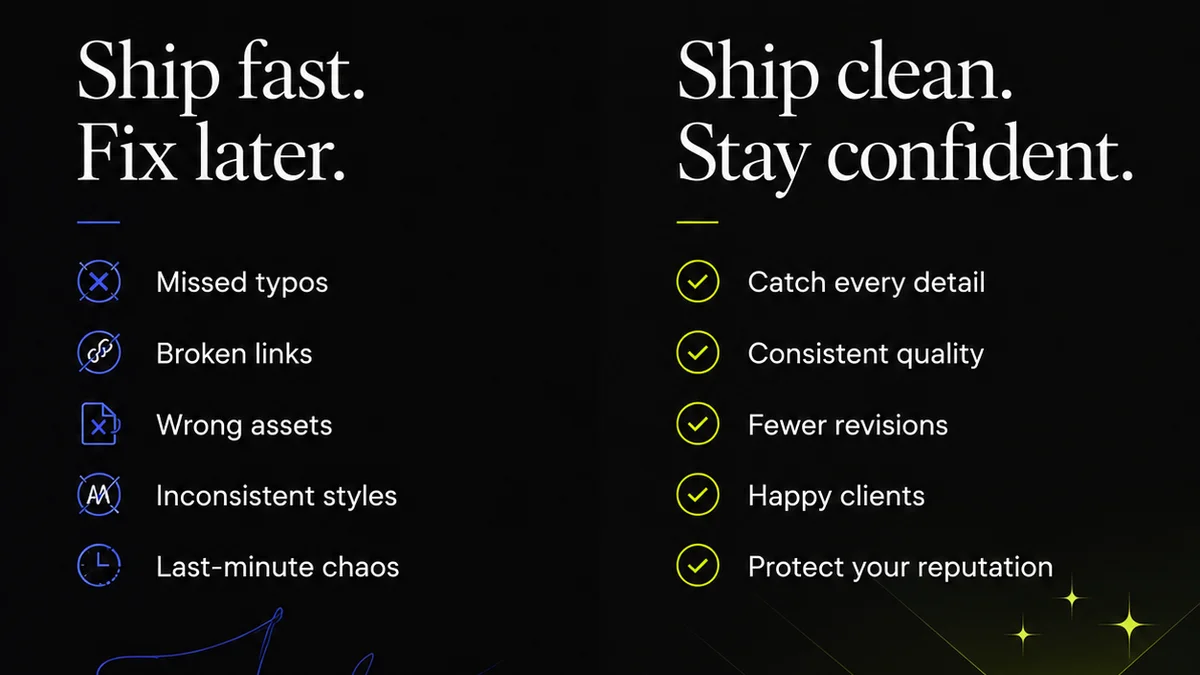
Everyone wants a smoother agency revision workflow. It’s the holy grail of creative operations. Less back-and-forth, fewer missed comments, faster approvals. That’s the dream.
But if you’re just looking for “software to manage revisions,” you’re missing the point. You might end up with a digital version of your current chaos. A tool that organizes bad habits doesn't fix them.
The Hard Truth: It’s Not Just Software, It’s Process
The real win isn’t just finding the right agency revision workflow software. It’s about implementing a process that the software *enables*. The tool should support your system, not dictate it. Without a clear, defined workflow, even the best software will feel clunky and inefficient.
This means rethinking how feedback is given, how revisions are tracked, and how approvals are secured. It’s about clarity and accountability at every stage.
1. Centralized Feedback: The Single Source of Truth
Scattered feedback is a project killer. Emails, Slack messages, random Word docs, scribbled notes on printouts – it’s a recipe for missed details and conflicting instructions. Your agency revision workflow software must eliminate this.
The Problem with Dispersed Feedback
- Missed comments leading to rework.
- Conflicting feedback from different stakeholders.
- Difficulty tracking the history of changes.
- Wasted time searching for the latest version or instruction.
- Client frustration due to perceived disorganization.
Your team needs one place to see all feedback. No exceptions.
What to Look For:
- Contextual Annotations: The ability to comment directly on specific elements of an image, video, or PDF.
- Version Control: Clear tracking of each revision, showing what changed and when.
- Consolidated Views: A dashboard that aggregates all feedback for a specific asset or project.
- Stakeholder Management: Ability to assign feedback to specific individuals or groups.
This isn’t about piling more tools onto your stack. It’s about consolidating communication into a single, verifiable source.
2. Revision Tracking and Version Management
Every creative project involves iterations. How you manage these is critical. A robust system prevents confusion about which version is the current one and what changes were made in each step.
The Dangers of Poor Version Control
- Presenting outdated work to clients.
- Implementing the wrong revisions.
- Disputes over who approved what and when.
- Loss of valuable design history.
- Increased risk of errors in final deliverables.
This is where many agencies stumble. They might have a system, but it’s manual, error-prone, and doesn’t scale.
What to Look For:
- Automatic Versioning: Each upload or save creates a new, identifiable version.
- Visual Comparison: Tools that allow side-by-side or even
Frequently asked questions
What is an agency revision workflow?
An agency revision workflow is the structured process an agency follows to receive, manage, and implement client feedback on creative work, leading to final approval. It typically involves stages like initial review, feedback collection, revision implementation, and final sign-off.
Why is centralized feedback important in creative workflows?
Centralized feedback ensures all comments and instructions are in one place, preventing missed feedback, conflicting directions, and wasted time searching through multiple communication channels. This leads to clearer communication and more efficient revisions.
How does version control help in revision management?
Version control automatically tracks each iteration of a creative asset, clearly labeling versions and changes. This prevents confusion about which is the latest or approved version, reduces errors, and provides a historical record of the project's evolution.
What are the key features of effective revision workflow software?
Key features include centralized feedback (contextual annotations), robust version control, clear approval tracking, streamlined communication, and integration capabilities. The software should support and enhance a defined process, not just organize chaos.