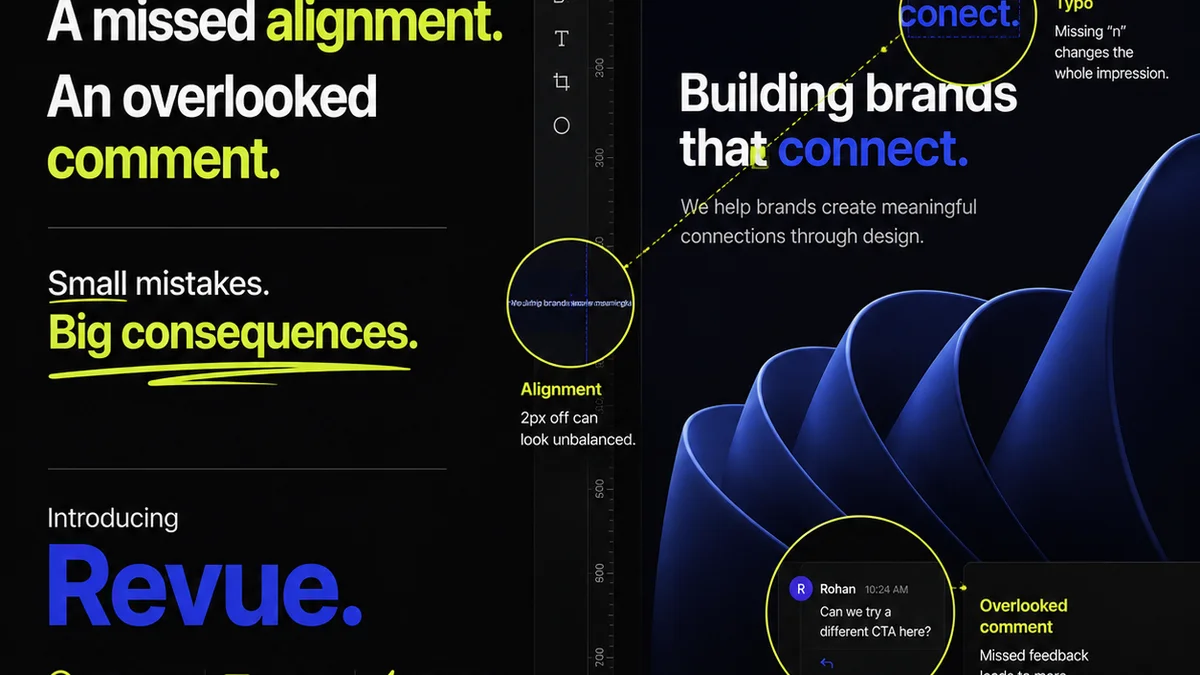
Everyone talks about agency Standard Operating Procedures (SOPs). They’re seen as a necessary evil, a binder of rules to keep everyone in line. A way to avoid mistakes.
None of that is wrong. But it’s incomplete.
The real power of SOPs isn’t just about avoiding errors. It’s about building a repeatable, scalable engine for predictable quality and client satisfaction. It’s about making your agency’s success a system, not a series of lucky breaks.
1. SOPs Are About Communication, Not Just Rules
Many agencies create SOPs as a laundry list of “do this, don’t do that.” They’re often written by one person (usually the owner) and then handed down. This approach misses the point entirely.
An SOP is a living document that codifies your agency’s collective knowledge. It’s a way to ensure that the best way of doing things, discovered through trial and error by your most experienced people, is understood and followed by everyone. Even the new hires.
The Assumption: SOPs are for compliance.
The Hard Truth: SOPs are for knowledge transfer and operational consistency.
Think about it. If your top designer has a unique workflow for setting up print files that saves them 30 minutes per project, that’s gold. An SOP’s job is to capture that knowledge and make it the standard.
This isn’t about micromanaging. It’s about democratizing expertise.
What Good Communication Looks Like in SOPs:
- Clearly defined roles and responsibilities for each step.
- Visual aids where appropriate (flowcharts, screenshots).
- Defined inputs and outputs for each process.
- Links to relevant templates or resources.
- A feedback loop for suggesting improvements.
If your SOPs feel like a lecture, they’re failing.
2. Document Your Client Feedback Loop First
This is where most agencies stumble. They document the creative process, the file naming conventions, the invoicing steps. But they often neglect the most critical, chaotic part: handling client feedback.
Client feedback is the lifeblood of agency work, and it’s usually the biggest source of friction, delays, and scope creep. If your SOPs don’t address this head-on, you’re leaving the most important part to chance.
The Assumption: Client feedback is just part of the job.
The Hard Truth: Unmanaged client feedback is a primary driver of project failure and burnout.
How do you ensure feedback is clear, actionable, and tracked? How do you prevent endless revision cycles? Your SOPs need to answer these questions.
Key Areas for Client Feedback SOPs:
- Initial Briefing: Standardized questions to elicit clear project goals and constraints.
- Feedback Stages: Defining when and how feedback will be collected (e.g., specific review meetings, annotated PDFs).
- Consolidation: A clear process for gathering feedback from all stakeholders and identifying conflicting comments.
- Actioning Feedback: How to interpret, prioritize, and implement feedback, with clear sign-off points.
- Scope Creep Management: Identifying out-of-scope requests and the process for addressing them (e.g., change orders).
This isn’t about making clients difficult. It’s about making the collaboration smooth, efficient, and productive for everyone involved.
3. Make Revision and Approval Visible
Related to feedback, the revision and approval process is often murky. Who saw what? When was it approved? What was changed between version A and version B?
Without clear visibility, you invite misunderstandings, duplicated effort, and disputes.
The Assumption: We’ll just keep track of versions.
The Hard Truth: Lack of clear revision and approval tracking leads to errors and delays.
Your SOPs should define how versions are managed and how approvals are formally captured. This isn’t just for your team; it’s crucial for client confidence.
Visibility Tactics:
- Version Control: A standardized naming convention for file versions (e.g., `ProjectName_Deliverable_v01_ClientReview.ai`).
- Approval Forms/Checklists: A structured way to get sign-off, detailing what was approved and by whom.
- Change Logs: A brief summary of changes made between revisions, especially after client feedback.
This clarity saves time and prevents the dreaded “Wait, I thought we approved that last week” conversations.
4. Embed Quality Assurance (QA) Checks
Quality assurance isn’t an afterthought; it’s a critical gate in your workflow. Many agencies treat QA as a final “look over” before delivery. This is reactive, not proactive.
The Assumption: QA happens at the end.
The Hard Truth: QA should be integrated throughout the process, not just at the finish line.
Think about the types of checks needed at different stages:
- Pre-flight Checks (Print): Ensuring bleed, color modes, resolution are correct before sending to print.
- Link Checks (Web/Digital): Verifying all internal and external links are functional.
- Content Accuracy: Proofreading copy for typos, grammatical errors, and factual correctness.
- Brand Guideline Adherence: Ensuring all creative assets align with brand standards.
- Accessibility Checks: Verifying color contrast, alt text, keyboard navigation for digital products.
Your SOPs should detail *who* performs these checks, *when* they are performed, and *what criteria* are used.
This systematic approach catches issues early, when they are cheapest and easiest to fix.
5. Keep SOPs Alive and Evolving
The biggest killer of SOPs? They get written once and then gather dust. Your agency is not static, so your SOPs can’t be either.
The Assumption: Once written, SOPs are done.
The Hard Truth: SOPs must be regularly reviewed and updated to remain relevant and effective.
Schedule regular reviews. Quarterly is a good starting point. Get input from the team members who actually use the procedures daily.
Ask:
- Is this still the most efficient way to do this?
- Are there any new tools or techniques we should incorporate?
- Is this procedure causing confusion or bottlenecks?
- Are we still following this? If not, why?
Treating SOPs as a dynamic resource, rather than a rigid rulebook, is key to their long-term success.
Where Revue Fits In
Managing client feedback, tracking revisions, and ensuring final quality checks are complex, multi-stakeholder processes. Trying to coordinate this across email chains, disparate cloud storage, and endless Slack messages is a recipe for disaster.
Revue provides a centralized platform designed to streamline these exact workflows.
Imagine:
- All client feedback consolidated in one place, linked to specific creative assets.
- Clear visibility into revision history and approval status, eliminating guesswork.
- Integrated checklists for QA, ensuring nothing falls through the cracks before delivery.
This isn’t about adding another tool; it’s about creating a single source of truth for your creative production process. It makes your SOPs actionable and enforceable, turning documentation into operational reality.
Final Thought
Are your agency’s SOPs a source of efficiency and predictable quality, or just a compliance burden? If it’s the latter, it’s time to re-examine not just *what* you document, but *how* you communicate and operationalize your best practices.
Frequently asked questions
What is the primary goal of agency SOPs?
While SOPs help with compliance and preventing errors, their primary goal is to codify and transfer collective knowledge, ensuring consistent, high-quality output and operational efficiency across the agency.
How can SOPs improve client feedback management?
By standardizing the process for receiving, consolidating, and actioning client feedback, SOPs ensure clarity, reduce misunderstandings, prevent scope creep, and lead to smoother revisions.
Why is visibility in revision and approval important?
Visibility ensures everyone knows the status of a project, what has been approved, and what changes were made between versions. This reduces errors, saves time, and prevents disputes.
How often should agency SOPs be updated?
Agency SOPs should be reviewed and updated regularly, ideally quarterly, to reflect evolving processes, new tools, and team feedback, ensuring they remain relevant and effective.
Can SOPs help with agency scalability?
Yes, well-defined SOPs are crucial for scalability. They create repeatable processes that allow new team members to onboard quickly and ensure consistent quality as the agency grows.