Everyone talks about agency workflow automation. They promise magic wands that wave away client emails, revision requests, and approval delays. It sounds great, right? More time for creativity, less time wrestling with spreadsheets.
None of that is wrong. But it’s incomplete.
The hard truth? Most agencies chase automation tools before they’ve even defined their core processes. They add more software to an already chaotic system, creating more problems than they solve. True workflow automation isn't about adding more tech; it's about optimizing the human element first.
1. The Illusion of Efficiency: Why More Tools Don't Equal More Automation
The siren song of automation is strong. A new app promises to streamline approvals. Another claims to manage client feedback effortlessly. You buy in, implement it, and… nothing changes. Or worse, things get more complicated.
Why?
- You’re automating bad habits.
- Your team isn't trained properly.
- The new tool doesn't integrate with existing systems.
- You haven't clearly defined the process the tool is supposed to improve.
This is the most common trap. Agencies assume that a dedicated tool will magically fix their broken processes. It’s like buying a race car before you know how to drive. You just end up crashing faster.
Defining Your Core Processes First
Before you even think about automation software, map out your current workflows. Specifically, focus on:
- Client onboarding
- Briefing and discovery
- Creative concepting and development
- Feedback collection
- Revision rounds
- Final approval
- Project handoff
Document each step. Identify bottlenecks, points of friction, and areas prone to miscommunication. This foundational work is non-negotiable.
2. Taming the Feedback Monster: The Real Bottleneck
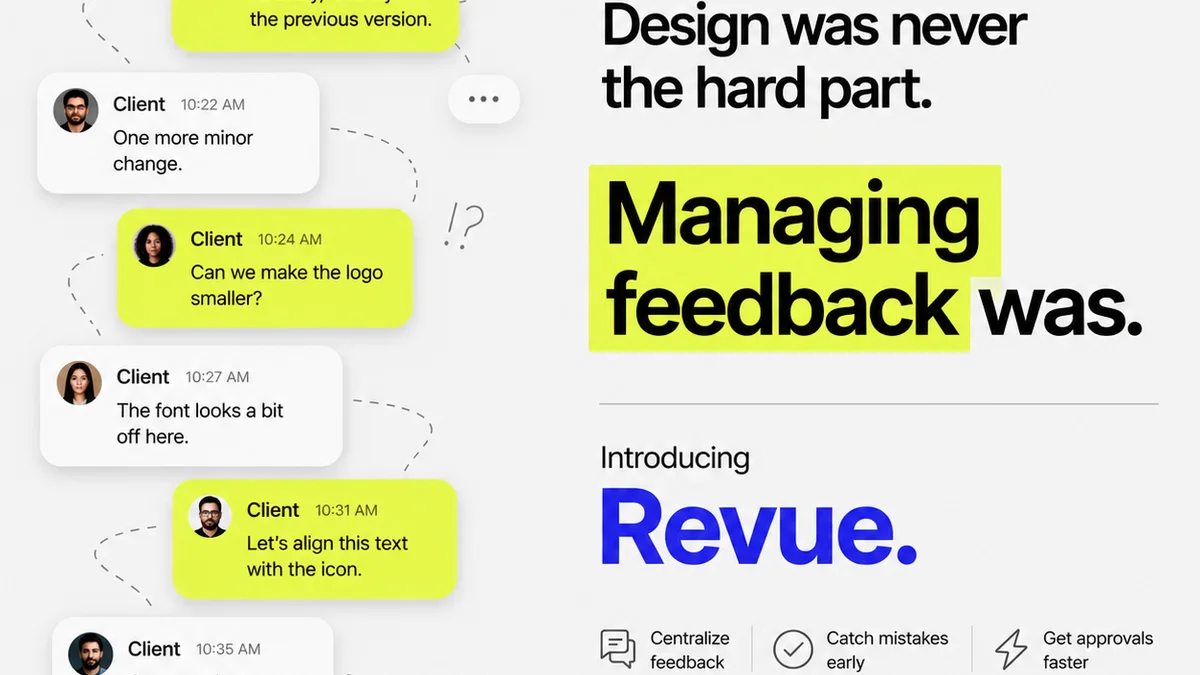
Client feedback. It’s the lifeblood of creative work, and often, the biggest drain on agency resources. Unstructured feedback, endless revision cycles, and unclear approvals cripple project timelines and profitability.
This isn't just an annoyance; it's a workflow killer. Poorly managed feedback leads to:
- Scope creep
- Delayed launches
- Team burnout
- Client frustration
- Reduced profitability
Many agencies try to manage this with email chains, shared docs, or even spreadsheets. It’s a recipe for disaster.
The Problem with Traditional Feedback Loops
Email is terrible for tracking feedback. It’s easy to miss comments, misinterpret tone, or lose context. Shared documents become cluttered and versions get confused.
Spreadsheets? They’re for data, not dynamic creative collaboration.
You need a system built for visual feedback and clear communication. One that centralizes comments directly on the creative assets themselves. This is where true efficiency begins.
3. Standardizing Revisions and Approvals
Once you have a handle on feedback, you need to manage the revision and approval process. This is where many projects get stuck in purgatory.
Assumption: Clients will always provide clear, concise feedback and approve work promptly.
Reality: Clients are busy. They might not understand technical jargon. Their internal approval processes can be slow and convoluted.
Your agency needs to build guardrails. This means:
- Setting clear expectations for feedback turnaround times.
- Defining the number of revision rounds included in the scope.
- Establishing a clear process for final sign-off.
The Power of Centralized Visibility
When feedback and revisions are scattered across emails and calls, it's impossible to track progress. Who said what? When? Was that the *final* final change?
A centralized system provides an undeniable audit trail. Everyone involved can see the history of changes, comments, and decisions. This transparency is critical for accountability and efficient project management.
This visibility helps you:
- Identify when feedback is becoming subjective or outside the original brief.
- Track how many revisions have been completed against the agreed scope.
- Ensure all stakeholders have signed off before moving to the next stage.
4. Automating Quality Checks
The final stage before delivery is quality control. This includes checking for:
- Brand consistency
- Technical specifications (e.g., file formats, resolution)
- Adherence to the brief
- Grammar and spelling errors
- Functionality (for digital assets)
While many of these require human eyes, certain aspects can be automated or at least templated.
Leveraging Checklists and Templates
Create standardized checklists for different types of projects. These act as a form of process automation, ensuring no critical step is missed.
For digital projects, consider automated checks for:
- Link validation
- Basic accessibility checks (though thorough testing is still required)
The goal here isn't to replace human judgment entirely, but to create a consistent, repeatable process that catches common errors before they reach the client.
Where Revue Fits In
This is where the real power of workflow automation comes into play. It’s not about adding another layer of software; it’s about using the right tool to solve specific, high-impact problems in your creative process.
Revue is built to tackle the most common bottlenecks in agency workflows:
- Centralized Client Feedback: No more digging through emails. All feedback is attached directly to the creative asset, with clear annotations and context.
- Revision and Approval Visibility: Track every change, every comment, and every approval in one place. Know exactly where you stand and who needs to act.
- Streamlined Quality Checks: Use structured checklists and clear communication to ensure projects meet your standards before final delivery.
By bringing these critical functions into a single, streamlined platform, you create the foundation for true automation. You reduce manual tracking, minimize miscommunication, and accelerate project velocity.
Final Thought
Workflow automation isn't a destination; it's a continuous improvement process. It starts with understanding your agency's unique challenges, documenting your core processes, and then strategically implementing tools that support, rather than complicate, your team’s work.
Are you automating for the sake of it, or are you truly optimizing your agency’s path from brief to final delivery?
Frequently asked questions
What is the biggest mistake agencies make when implementing workflow automation?
The biggest mistake is chasing automation tools before defining and optimizing their core processes. This leads to automating bad habits and creating more complexity rather than efficiency.
How can agencies better manage client feedback?
Agencies can improve feedback management by using a centralized platform that allows for visual annotations directly on creative assets, clearly tracks comments, and provides an audit trail of all communication.
Why is visibility crucial for revision and approval processes?
Visibility ensures everyone involved can see the history of changes, comments, and decisions. This transparency is essential for accountability, preventing scope creep, and ensuring timely approvals.
Can automation truly replace human quality checks in an agency?
Automation can support quality checks by standardizing processes with checklists and performing basic automated checks (like link validation). However, human judgment remains essential for subjective creative decisions and comprehensive reviews.