Everyone’s talking about AI in marketing. From generating copy to creating visuals, the hype is real. You might think AI automates everything, including approvals. None of that is wrong. But it’s incomplete.
The hard truth is that AI can create *content*, but it can’t inherently ensure *quality* or *brand alignment* without human oversight. Your marketing approval process needs an AI-aware upgrade, not a replacement.
1. Defining the AI’s Role in Your Workflow
Before you can approve AI-generated marketing assets, you need to define where AI fits. Is it a brainstorming partner? A first-draft generator? A tool for iterating on existing concepts?
This clarity dictates the approval rigor. A piece of AI-generated ad copy that’s a starting point for a human writer will have a different review path than final AI-generated social media graphics.
Defining AI Output Types
Categorize the AI-generated assets you’ll be reviewing:
- Copy: Blog posts, social media captions, email subject lines, ad headlines.
- Visuals: Social media images, ad banners, concept art, mood board elements.
- Strategy: Audience segmentation ideas, content calendar suggestions, keyword research summaries.
- Code: Simple HTML for landing pages, basic scripts.
Each category demands specific checks. Copy needs tone and factual accuracy. Visuals need brand consistency and aesthetic appeal. Strategy needs feasibility and originality.
2. The AI Marketing Approval Checklist: Core Components
Your existing approval checklist likely covers brand guidelines, legal compliance, and strategic fit. Now, layer in AI-specific checks. This isn't about rejecting AI; it's about refining its output to meet your standards.
Brand Voice and Tone Consistency
AI can mimic, but it doesn't *understand* your brand’s nuanced voice. It can sound generic or, worse, off-brand.
- Does the AI output align with your established brand voice and tone?
- Are there any clichés or overused AI phrases that need removal?
- Is the language appropriate for the target audience and platform?
Factual Accuracy and Originality
AI models can “hallucinate” – invent facts or present outdated information as current. They also pull from vast datasets, raising questions about originality.
- Are all claims, statistics, and facts verifiable?
- Is the content original, or does it closely resemble existing published material? (Use plagiarism checkers if necessary).
- Does the AI output introduce any biases or misinformation?
Visual Cohesion and Brand Identity
For AI-generated visuals, consistency is key. AI can produce stunning images, but they might not fit your brand’s established aesthetic or color palette.
- Do the visuals adhere to your brand’s color guidelines?
- Is the style consistent with your existing visual assets?
- Are there any visual artifacts or uncanny valley elements that detract from the quality?
- Does the imagery accurately represent your product or service without misrepresentation?
Legal and Compliance Checks
AI doesn’t inherently grasp legal nuances. It can generate content that skirts or violates regulations if not properly checked.
- Does the copy avoid making unsubstantiated claims or guarantees?
- Are there any potential copyright infringements in visuals or text?
- Does the content comply with relevant advertising standards (e.g., FTC guidelines)?
- If using AI-generated images of people, have you considered likeness rights and privacy?
Strategic Alignment and Goal Achievement
AI can generate content, but can it ensure it meets campaign objectives? That’s where human strategy and approval come in.
- Does the AI output directly support the campaign’s goals and KPIs?
- Is the call to action clear and effective?
- Does the content resonate with the intended target audience?
3. Establishing AI-Specific Reviewer Roles
Who is responsible for approving AI-generated content? It’s not just a QA step; it’s a strategic one.
You need reviewers who understand both the AI tool’s capabilities and limitations, and your brand’s strategic objectives.
The AI Content Editor
This role focuses on refining the raw AI output. They check for flow, grammar, and stylistic consistency, acting as the first line of defense against generic or flawed content.
The Brand Guardian
This reviewer ensures the AI output adheres strictly to brand voice, visual identity, and overall brand messaging. They are the keepers of the brand’s soul.
The Legal/Compliance Officer
Essential for any marketing, but even more critical with AI. This person flags any potential legal risks, copyright issues, or regulatory non-compliance.
The Strategist/Account Manager
This role ensures the AI-generated asset serves the client’s or campaign’s objectives. They ask: does this work *for the business*?
4. Integrating AI Checks into Your Existing Process
Don't reinvent the wheel. Augment your current approval workflows. This means updating your project management tools and communication channels.
Think of it as adding new criteria to your existing stages, not creating a separate AI track.
Updating Your Project Management System
If you use a tool like Jira, Asana, or Trello, add AI-specific checklist items to your task templates. For example:
- AI Copy: Check for tone, factual accuracy, originality.
- AI Visuals: Check brand color adherence, visual artifacts, stylistic consistency.
Leveraging Centralized Feedback Tools
This is where a tool like Revue becomes critical. AI output, like any creative asset, needs clear, contextualized feedback. Trying to gather AI-generated feedback via scattered emails or chat messages is a recipe for chaos.
Defining Escalation Paths
What happens when AI output fails an approval check? Is it sent back to the AI tool with refined prompts? Is it handed off to a human creative for significant rework? Establish these pathways upfront.
5. Where Revue Fits In
AI tools generate content. They don’t manage the complex, human-driven process of feedback, revision, and final approval. That’s where Revue excels.
Revue provides a centralized platform to manage all creative assets, including those generated or assisted by AI. You can upload AI-generated images, copy drafts, or strategy outlines directly into a project.
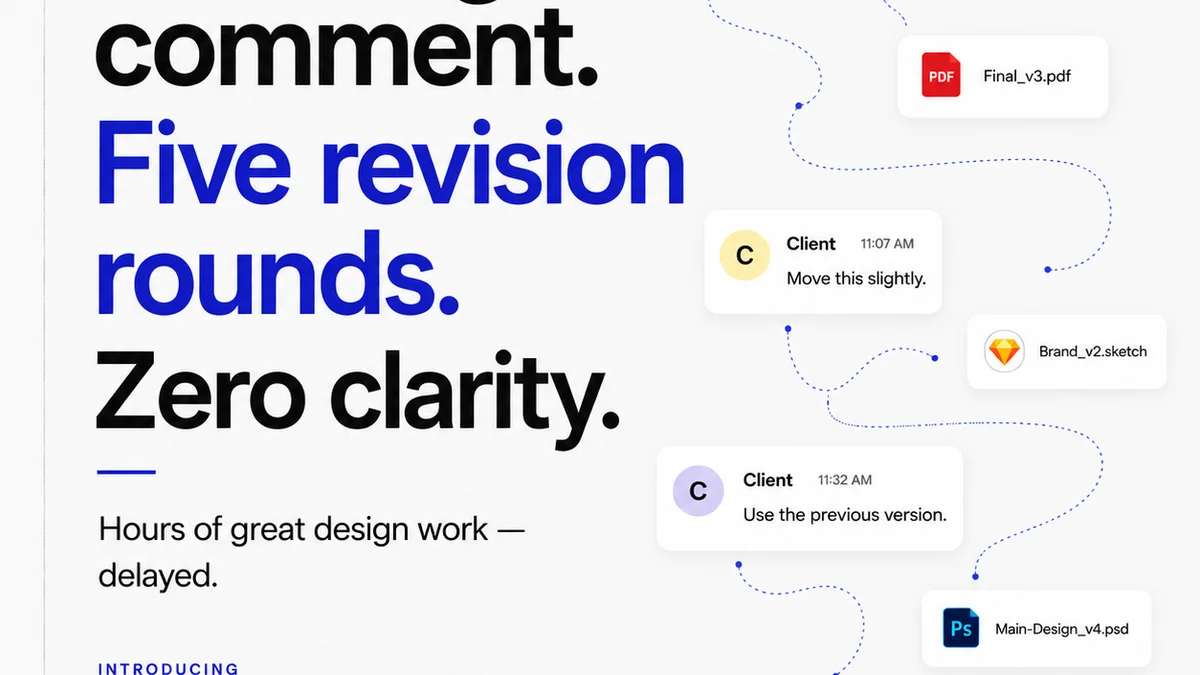
Stakeholders can leave precise, contextualized feedback directly on the asset. This eliminates the ambiguity of email threads and scattered comments. You can track revisions, see who has approved what, and maintain a clear audit trail.
For AI-generated work, this means:
- Clear Accountability: See exactly who reviewed and approved (or rejected) AI assets.
- Contextual Feedback: Provide specific notes on AI output that are tied directly to the asset.
- Revision Visibility: Track changes made to AI-generated content, whether by human editors or through iterative prompting.
- Quality Control: Ensure AI output meets your agency’s high standards before it goes to the client or live.
Revue doesn’t replace the human judgment needed for AI approvals; it streamlines the process, making that judgment more efficient and effective.
6. The Future of AI in Creative Approvals
As AI tools become more sophisticated, the approval process will continue to evolve. We might see AI assisting in the *checking* process itself, flagging potential brand misalignments or factual errors for human review.
However, the core need for human strategic oversight, brand stewardship, and ethical consideration will remain. AI is a powerful co-pilot, but the human is still the captain of the ship.
Final Thought
Are you ready to adapt your approval processes for the AI era, or will you let AI-generated mediocrity slip through the cracks? The choice impacts your brand’s integrity and your clients’ trust.
Frequently asked questions
How does AI impact the marketing approval process?
AI can speed up content creation, but it doesn't automate the critical human judgment needed for approvals. The process must be augmented with AI-specific checks for brand voice, factual accuracy, originality, and strategic alignment.
What are the key areas to check for AI-generated marketing copy?
Key areas include brand voice and tone consistency, factual accuracy, originality, potential biases, and strategic alignment with campaign goals. Human review is essential to catch AI 'hallucinations' or generic phrasing.
How can agencies ensure visual consistency with AI-generated images?
Agencies should check AI-generated visuals against brand color palettes, established stylistic guidelines, and for any visual artifacts. Human oversight is needed to ensure the imagery aligns with brand identity and doesn't appear uncanny or off-brand.
Does AI understand legal and compliance requirements for marketing?
No, AI does not inherently understand legal or compliance nuances. All AI-generated content, especially claims, guarantees, or imagery, must undergo rigorous legal and compliance review by a human expert to avoid violations.
How can tools like Revue help with AI marketing approvals?
Revue provides a centralized platform to manage AI-generated assets, collect contextualized feedback, track revisions, and maintain clear approval accountability. It streamlines the human oversight process, ensuring AI output meets quality and brand standards.