Everyone talks about SEO. Keywords, backlinks, site speed. All crucial. But it’s easy to get lost in the technical weeds. You might think you’re doing everything right, ticking off every box on some generic SEO checklist.
None of that is wrong. But it’s incomplete.
The hard truth? Most agencies and creative teams focus on *what* search engines want, not *what* the actual human on the other end of the search is looking for. That’s where Answer Engine Optimization (AEO) comes in. It’s about serving the *answer*, not just the *query*.
1. Deconstructing the User's Intent
Before you optimize anything, you need to understand *why* someone is searching. What problem are they trying to solve? What information are they craving? This isn't about matching keywords; it's about understanding intent.
Think of it like this: someone searching "best project management software for agencies" isn't just looking for a list of features. They're looking for a solution to disorganization, missed deadlines, and client frustration. They want relief.
Understanding Search Intent Types
- Informational: The user wants to learn something. (e.g., "how to improve client feedback")
- Navigational: The user wants to find a specific website or page. (e.g., "Revue login")
- Transactional: The user wants to buy something or take a specific action. (e.g., "hire creative agency London")
- Commercial Investigation: The user is comparing options before a transaction. (e.g., "Revue vs Asana")
Your content needs to align with these intents. A blog post answering a specific question, a case study demonstrating a solution, or a clear service page all serve different intents.
2. Content That Truly Answers
Once you grasp intent, you can build content that satisfies it. This means going deeper than surface-level keyword stuffing.
AEO demands content that is comprehensive, clear, and directly addresses the user's underlying need. It's about becoming the definitive source.
Crafting Authoritative Content
- Depth Over Breadth: Instead of writing 10 shallow articles, write one deep, authoritative piece on a core topic.
- Clarity is King: Use plain language. Avoid jargon your target audience might not understand. Explain complex ideas simply.
- Structure for Scannability: Use headings, subheadings, bullet points, and short paragraphs. People scan online. Make it easy for them to find the answer.
- Visual Aids Matter: Infographics, charts, and relevant images can break up text and clarify complex information.
- Cite Your Sources: If you're making claims, back them up. This builds trust and authority.
Think about the questions your clients *actually* ask. Then, create content that provides the best possible answer.
3. Optimizing for Featured Snippets & Direct Answers
Search engines are increasingly prioritizing direct answers. Think about those boxes that appear at the top of Google results, often with a snippet of text directly answering a question. This is AEO gold.
Getting your content featured here requires a specific approach.
Tactics for Direct Answer Boxes
- Question-Based Headings: Structure your content around clear questions (e.g., "What is Answer Engine Optimization?").
- Concise Paragraphs: Aim for short, factual paragraphs (ideally 40-60 words) that directly answer a question.
- Definition Boxes: Clearly define terms early in your content.
- Listicles and Tables: Structured data like lists and tables are easily parsed by search engines.
- Structured Data (Schema Markup): Implement schema markup to help search engines understand your content's context.
The goal is to be so clear and direct that the search engine sees your content as the most logical and helpful answer.
4. The Role of User Experience (UX)
SEO has always been intertwined with UX, but AEO emphasizes it even more. If users land on your page and can't find the answer quickly, they'll bounce. That's a signal to search engines that your page isn't helpful.
A fast, intuitive, and accessible website is non-negotiable.
Key UX Factors
- Mobile-First Design: Ensure your site works flawlessly on mobile devices.
- Page Load Speed: Optimize images and code for the fastest possible load times. Google's PageSpeed Insights is a great tool here.
- Clear Navigation: Users should be able to find what they need with minimal effort.
- Accessibility: Adhere to standards like WCAG to ensure your site is usable by everyone. WCAG guidelines are the benchmark.
- Readability: Good typography, sufficient contrast, and white space make content easier to consume.
A frustrating user experience kills your AEO efforts before they even start.
5. Building Topical Authority
AEO isn't just about individual pieces of content; it’s about demonstrating expertise across a subject. Search engines want to rank sites that are recognized authorities in their niche.
This means creating a cluster of related content that comprehensively covers a topic.
Developing Authority
- Pillar Content: Create a long-form, comprehensive guide on a core topic.
- Cluster Content: Write shorter, more specific articles that link back to your pillar content.
- Internal Linking Strategy: Ensure your pillar and cluster content link to each other logically.
- Consistent Publishing: Regularly publish high-quality content in your niche.
When search engines see you consistently providing valuable, in-depth information on a subject, they'll start to see you as a trusted source.
Where Revue Fits In
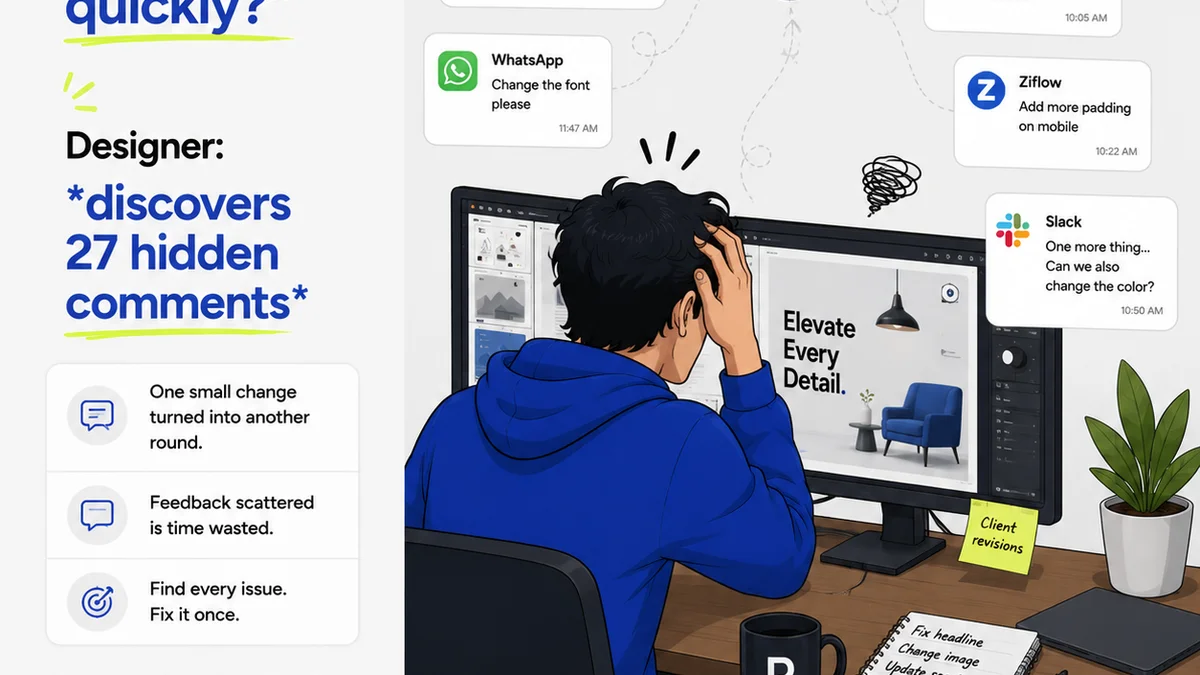
Managing client feedback and revisions can be a black hole for creative teams. This directly impacts your ability to produce high-quality content and deliver exceptional client experiences – both critical for AEO.
Revue helps centralize feedback, making it easier to understand client needs and iterate on creative work. When feedback is clear and accessible, you can:
- Respond Faster: Quickly address client queries and incorporate feedback, leading to more timely content updates.
- Improve Content Quality: Streamlined revision processes mean fewer errors and a higher final product quality, which search engines favor.
- Gain Visibility: Track revision history and approvals, ensuring that the most relevant and up-to-date information is what ultimately gets published.
- Understand Client Needs: The patterns in feedback can reveal underlying questions or concerns your audience might have, informing your AEO content strategy.
By managing the chaos of feedback, Revue frees up your team to focus on creating the authoritative, answer-driven content that AEO demands.
Final Thought
Are you optimizing for a search engine bot, or for the human being who needs a solution? The shift from pure SEO to Answer Engine Optimization is subtle but profound. It requires empathy, clarity, and a genuine commitment to serving your audience.
Focus on answering the question behind the question. That’s how you win.
Frequently asked questions
What's the difference between SEO and AEO?
SEO (Search Engine Optimization) traditionally focuses on technical aspects and keyword matching to rank content. AEO (Answer Engine Optimization) shifts the focus to deeply understanding and fulfilling user intent by providing direct, comprehensive answers, often aiming for featured snippets and direct answers in search results.
How can I identify user intent for my content?
Analyze search queries your target audience uses, look at 'People Also Ask' sections on Google, review competitor content, and consider the actual problems your product or service solves. Categorize intent into informational, navigational, transactional, or commercial investigation.
What makes content 'authoritative' for AEO?
Authoritative content is comprehensive, well-researched, clearly written, and directly addresses the user's query. It often involves in-depth guides, factual accuracy, and demonstrating expertise in a specific topic area, supported by internal and external links.
How important is page speed for Answer Engine Optimization?
Page speed is critical. Search engines prioritize user experience, and slow-loading pages lead to high bounce rates. A fast site ensures users can access the answers you provide quickly, signaling helpfulness to search engines.