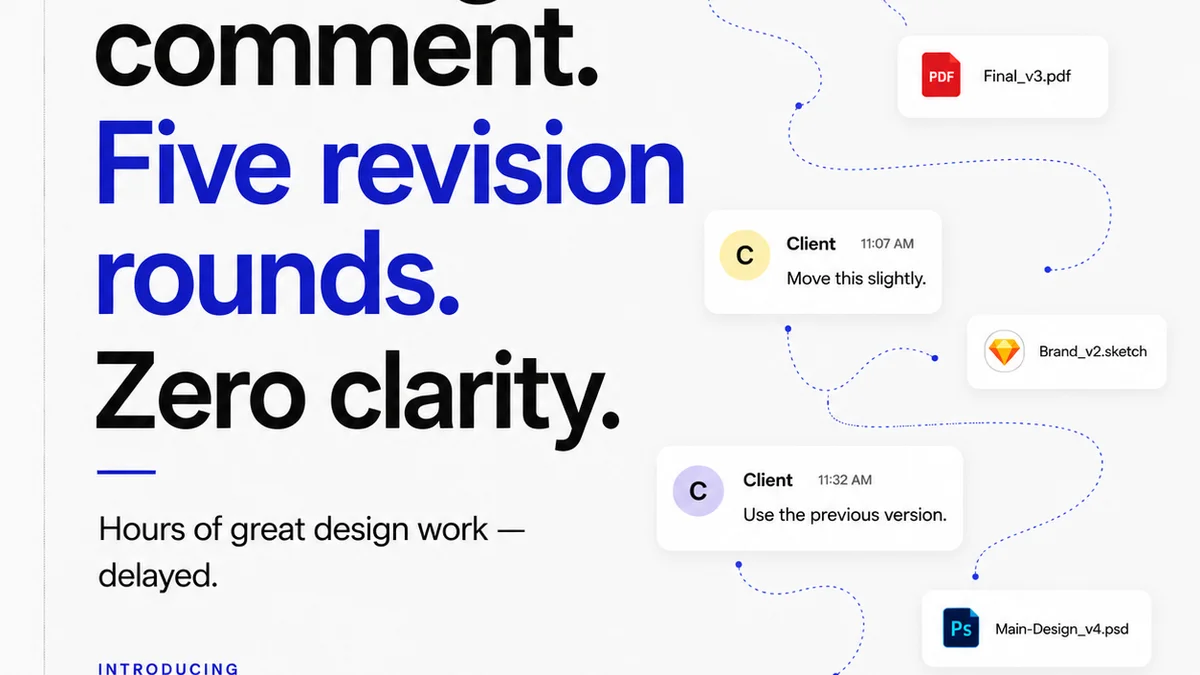
Everyone thinks artwork approval is about getting a client’s signature. That’s the goal, sure. But it’s a shallow view.
The real truth? Artwork approval is about clarity, communication, and process. Get these wrong, and that signature becomes a bottleneck, a source of friction, and a drain on your agency’s profitability.
1. Define the Approval Process Upfront
This isn’t a suggestion; it’s a non-negotiable. Before a single pixel is designed, the client needs to know how feedback will be gathered, who provides it, what constitutes final approval, and the expected turnaround times.
Assumption: Clients know how creative approvals work.
Hard Truth: They don’t. Or rather, they think they do, based on their last experience. Your job is to educate them on *your* process.
Establish Clear Roles
Who is the final decision-maker? Who are the stakeholders? Who provides technical feedback?
List these roles clearly in your SOW or project brief. Avoid the dreaded “everyone needs to sign off” scenario.
Example:
- Primary Approver: [Client Name/Title] – Final go/no-go decision.
- Secondary Approver: [Client Name/Title] – Technical feasibility, legal compliance.
- Stakeholder (for input only): [Client Name/Title] – Provides feedback, but does not have final sign-off authority.
Set Turnaround Time Expectations
How long does the client have to provide feedback? How long for final approval? Be explicit.
Common assumption: Clients will respond quickly.
Hard truth: They get busy. They go on vacation. They’re not thinking about your project 24/7. Build in buffer time, but also define the consequences of delays.
Example:
- Feedback on first draft due within 48 business hours.
- Final approval due within 24 business hours of the last revision.
- Delays beyond these windows may impact project timelines and incur additional charges.
Define
Frequently asked questions
What is the most common mistake agencies make with artwork approval?
The most common mistake is not defining the approval process clearly and upfront with the client. This leads to confusion, scope creep, and endless revision cycles because everyone's expectations are misaligned from the start.
How can I ensure clients provide constructive feedback?
Guide clients on the type of feedback you need. Instead of 'I don't like it,' ask them to elaborate on what specific elements aren't working and why, or what business objective the current design isn't meeting. Providing clear criteria for feedback, as outlined in your SOW, is crucial.
What happens if a client misses an approval deadline?
Your SOW should clearly state the consequences of missed deadlines. This could include pausing the project, moving to the next phase with the assumption of approval on the current stage, or charging for additional time spent waiting for feedback. Consistent communication about impending deadlines is also key.
How does centralized feedback help with artwork approval?
Centralized feedback tools consolidate all comments and revisions in one place, preventing miscommunication and ensuring everyone is working from the latest version. This dramatically speeds up the approval process by eliminating scattered emails and ensuring all feedback is seen and addressed.