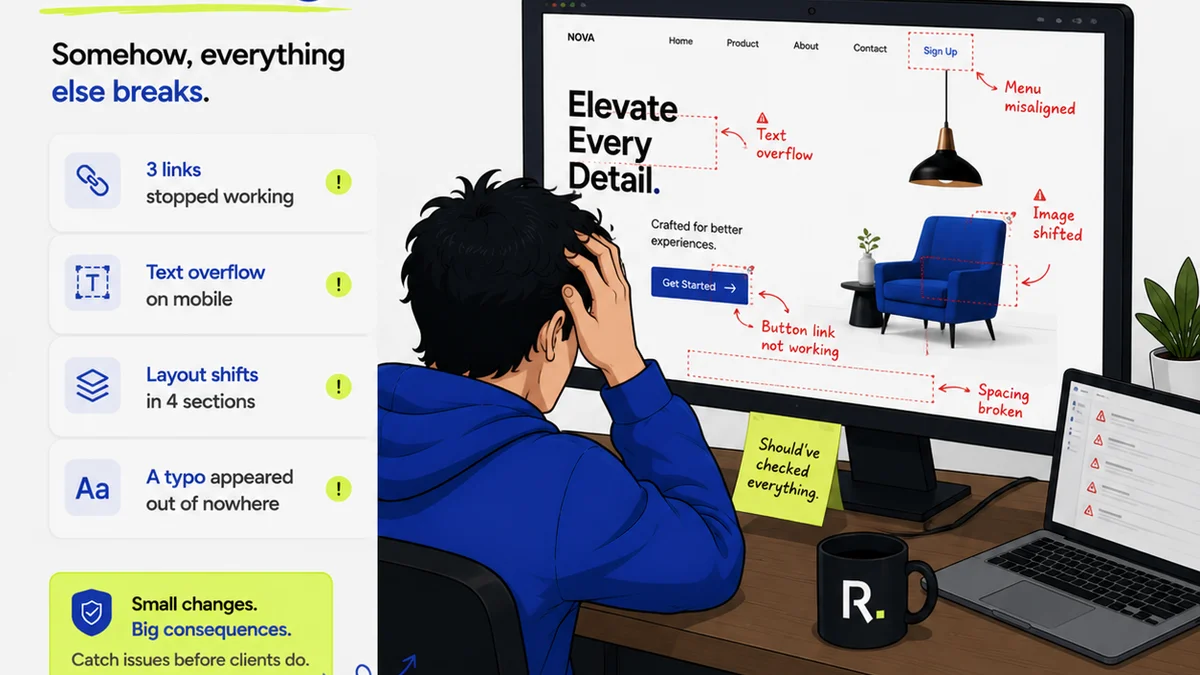
Everyone talks about creative briefs. They’re important, sure. But the real bottleneck? Artwork approval. The endless email chains, the conflicting feedback, the buried comments. It’s where projects go to die a slow, painful death.
None of that is wrong. But it’s incomplete.
The hard truth is that a chaotic approval process isn't just inefficient. It actively damages client relationships, kills creativity, and eats into your agency’s profit margins. You’re not just approving art; you’re managing risk, communication, and reputation. And most agencies are doing it badly.
1. The Myth of 'Good Enough' Feedback
The assumption is that clients *know* what they want, and your job is to translate it. That feedback, however messy, is valuable input. That more feedback is always better.
This is a dangerous myth. Clients often don't know what they want until they see it. Or worse, they provide feedback that is vague, contradictory, or simply wrong for the project’s goals.
Vague Feedback Kills Clarity
Phrases like “make it pop,” “I don’t like it,” or “can we try something else?” are the bane of creative teams. They offer no actionable direction.
This is where the approval process breaks down. Without clear criteria, designers are left guessing. Revisions spiral, and frustration mounts on both sides.
Conflicting Stakeholder Opinions
Multiple stakeholders mean multiple opinions. The marketing manager wants it bold. The legal team wants it subdued. The CEO wants it blue. Who wins?
A broken approval process often defaults to the loudest voice, or the highest title, rather than what best serves the project objective. This leads to compromised creative and missed strategic opportunities.
The 'More is More' Fallacy
Believing that extensive rounds of feedback are beneficial is a trap. Each round adds time, cost, and introduces more potential for misinterpretation. It dilutes the original vision.
Effective artwork approval isn't about gathering *more* feedback; it’s about gathering the *right* feedback, at the *right* time, from the *right* people.
2. Building a Bulletproof Artwork Approval Workflow
A robust approval process starts long before the first piece of art is presented. It’s about setting expectations and establishing clear protocols.
Define Roles and Responsibilities
Who has final sign-off? Who provides initial feedback? Who needs to be consulted?
- Primary Stakeholder: The main point of contact, responsible for consolidating feedback and making final decisions.
- Secondary Stakeholders: Individuals who provide input but don’t have final say. Their feedback is considered, but the primary stakeholder prioritizes.
- Subject Matter Experts: Legal, compliance, or technical reviewers whose input is critical for specific aspects.
Clearly defining these roles prevents confusion and ensures feedback comes through the designated channels.
Establish Feedback Cadence and Channels
When will feedback be provided? How will it be delivered?
Decide on specific review periods (e.g., 24-48 hours) and preferred methods. Email? A dedicated platform? A scheduled call?
Using a single source of truth for feedback eliminates the chaos of scattered comments across multiple platforms.
Create a Feedback Matrix
For complex projects with multiple stakeholders, a feedback matrix can be invaluable. This document outlines:
- Each stakeholder’s role.
- The specific aspects they are responsible for reviewing (e.g., legal accuracy, brand consistency, user experience).
- The type of feedback they can provide (e.g., approval, edits, questions).
This clarifies who reviews what and what kind of input is expected, preventing scope creep and irrelevant commentary.
Use Visual Annotation Tools
Abstract feedback is the enemy. Visual annotation tools allow stakeholders to pinpoint exactly what they’re referring to on the artwork itself.
Clicking on a specific element to leave a comment is far more precise than describing it in an email. It reduces ambiguity and speeds up the revision process.
Set Clear Revision Limits
How many rounds of revisions are included in the project scope? Be explicit.
Defining this upfront manages client expectations and protects your team from endless, scope-creeping revisions. Any work beyond the agreed-upon rounds should trigger a change order.
3. The Cost of Poor Artwork Approval
It’s easy to dismiss a few extra email threads as minor annoyances. The reality is far more damaging.
Wasted Time and Resources
Every hour spent deciphering vague feedback, chasing down stakeholders, or making unnecessary revisions is an hour not spent on billable work or strategic thinking.
This directly impacts your agency’s profitability. Time lost is money lost.
Damaged Client Relationships
Frustrated designers and stressed account managers lead to a poor client experience. When clients feel their feedback isn’t heard or that the process is chaotic, trust erodes.
This can lead to lost clients and negative word-of-mouth. Your reputation is on the line.
Compromised Creative Quality
When feedback is unclear or driven by conflicting agendas, the final creative output often suffers. The original vision gets diluted, and the work fails to meet its strategic objectives.
This is a disservice to both the client and your agency’s creative talent.
Increased Project Risk
Unclear approvals can lead to legal or compliance issues if crucial feedback from specific stakeholders is missed. It can also result in costly rework if the final deliverable doesn’t meet technical specifications or brand guidelines.
4. Where Revue Fits In
Managing the artwork approval process effectively requires structure and visibility. This is where a tool like Revue becomes indispensable.
Revue centralizes client feedback, making it the single source of truth. Instead of sifting through endless email chains, all comments, revisions, and approvals are logged in one place, tied directly to the artwork.
This provides clear visibility into the entire revision history. You can see who provided what feedback, when it was addressed, and who gave the final sign-off. This transparency is crucial for accountability and dispute resolution.
Revue helps transform a chaotic approval process into a streamlined, trackable workflow. It ensures that feedback is actionable, revisions are managed efficiently, and quality checks are performed systematically, protecting both your creative output and your client relationships.
5. Best Practices for Artwork Approval
Beyond a solid workflow, adopting best practices ensures your approval process is not just functional, but exceptional.
Provide Context with Every Review
Don't just send a file. Remind stakeholders of the project goals, the specific stage of the work, and what kind of feedback is needed at this juncture. Referencing the original brief helps keep everyone aligned.
Review Feedback Critically
Not all feedback is created equal. Your team needs to exercise professional judgment. Does the feedback align with the brief? Is it strategically sound? Is it technically feasible?
Sometimes, the best course of action is to push back constructively on feedback that would weaken the creative or miss the mark strategically. This requires confidence and data to back your recommendations.
Use a Staged Approval Process
Break down the approval into logical stages. Concept approval, design development approval, pre-production approval, final pre-press approval. Each stage has specific objectives and deliverables.
This prevents overwhelming stakeholders and ensures key decisions are made at the right time.
Document Everything
Every piece of feedback, every revision, every approval — no matter how small — should be documented. This creates an irrefutable audit trail.
This protects your agency if disputes arise and provides valuable insights for future projects.
Train Your Clients
Often, clients are unaware of best practices in feedback. Gently guiding them on how to provide clear, actionable feedback can transform your working relationship.
Explain your process, the tools you use, and why clear feedback is essential for a successful outcome.
Final Thought
Artwork approval is more than a checkbox. It’s a critical juncture where creative vision meets business reality. Is your current process a well-oiled machine driving projects forward, or a leaky faucet draining your resources and goodwill? The difference often lies not in the tools you use, but in the rigor and clarity of the process you define.
Frequently asked questions
What is the most common mistake in artwork approval?
The most common mistake is a lack of a defined process. This leads to scattered feedback across emails and messages, vague comments, conflicting stakeholder opinions, and endless, unproductive revision rounds.
How can I get clearer feedback from clients?
Provide context for each review, outlining project goals and the specific feedback needed. Use visual annotation tools to pinpoint issues. Train clients on how to give actionable feedback by explaining your process and its importance.
How many revision rounds are standard?
There's no universal number, but it's crucial to define revision limits within your project scope and communicate them clearly to the client upfront. Typically, 2-3 rounds are common, with additional rounds triggering change orders.
What is the role of a primary stakeholder in artwork approval?
The primary stakeholder is the main point of contact responsible for consolidating feedback from all parties, prioritizing it, and making the final decision or sign-off on the artwork. They ensure feedback aligns with project objectives.