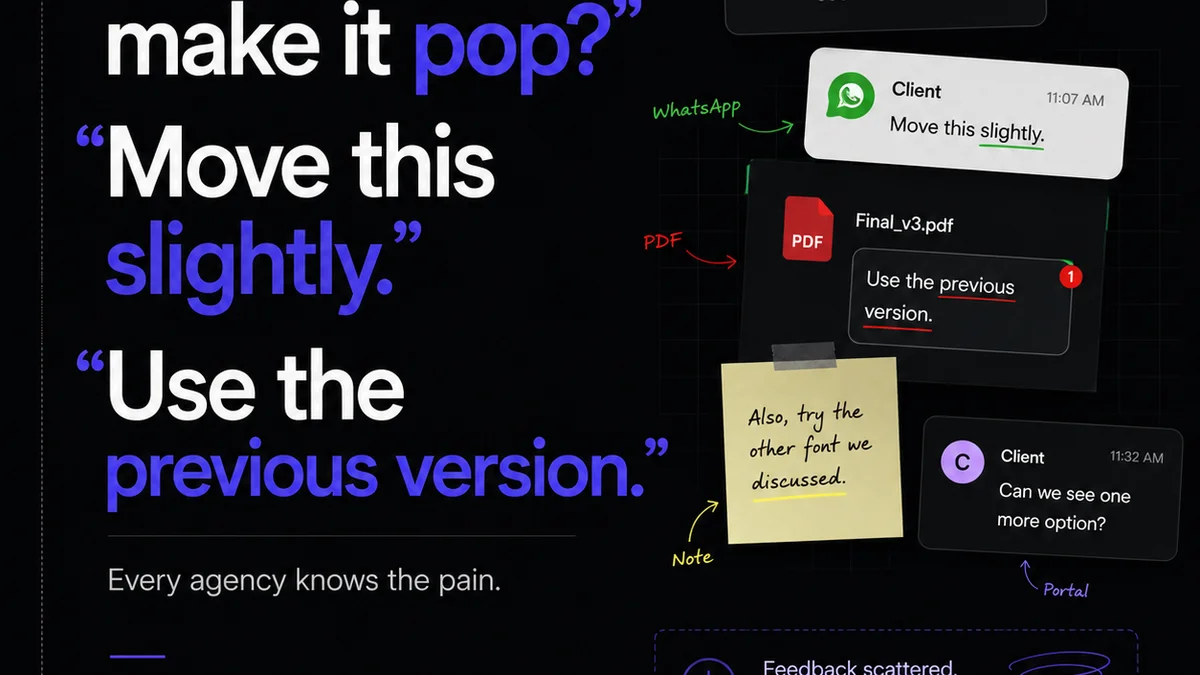
Everyone knows that getting client approval on creative work is crucial. You’ve probably heard advice about clear briefs, setting expectations, and having a defined review process. None of that is wrong. But it’s incomplete.
The hard truth is that most artwork approval problems aren't about process; they're about assumptions. We assume clients know what they're looking at. We assume feedback is always clear. We assume the final sign-off is truly final. These assumptions create blind spots that lead to endless revisions, missed deadlines, and frayed relationships.
1. The Assumption That Clients Understand Creative Intent
Your client hired you for your expertise. They trust you to translate their business goals into compelling creative. But when it comes to reviewing the actual artwork, that trust can waver. They start second-guessing, focusing on surface-level preferences instead of strategic objectives.
This isn't malicious. It's human nature. They're seeing the 'what' but not always the 'why' behind your design decisions.
The Symptoms:
- Feedback like: "I don't know, it just doesn't feel right."
- Requests to change elements that directly support the core brief.
- Focus on minor aesthetic tweaks over strategic impact.
- "Can we try this in blue?" without understanding color psychology or brand guidelines.
The Fix: Educate, Don't Just Present
Your job isn't just to create; it's to guide. Before presenting creative, explicitly remind the client of the brief's key objectives. Frame your presentation around how each design element serves those goals.
For example, instead of just showing a new logo, say: "This logo directly addresses our brief's goal of appearing more modern and trustworthy. The clean lines and balanced structure convey stability, while the subtle gradient adds a contemporary feel."
This proactive explanation helps shift their focus from subjective taste to objective performance. It reinforces your role as a strategic partner.
2. The Assumption That Feedback is Always Clear and Actionable
You’ve sent over the latest draft. You’re waiting for feedback. What arrives is a jumble of contradictory comments, vague suggestions, or demands that seem to come out of nowhere.
This is a common pain point. Clients, especially those less experienced with creative reviews, often struggle to articulate what they want or why. They might not have the vocabulary, or they might be reacting emotionally rather than analytically.
The Symptoms:
- Conflicting feedback from different stakeholders.
- Ambiguous comments like "make it pop" or "more energy."
- "We need to go in a different direction" without specifying the new direction.
- Requests that contradict previous feedback.
The Fix: Establish a Feedback Framework
Don't leave feedback to chance. Provide clear guidelines on *how* to give feedback. This might include:
- Specifying which stakeholders should provide input.
- Defining the scope of the review (e.g., focus on layout and messaging, not color for this round).
- Using a structured feedback form or tool.
- Requesting that feedback be tied to specific project objectives.
When you receive unclear feedback, don't just nod and proceed. Schedule a brief call to clarify. Ask probing questions: "When you say 'make it pop,' what specific element are you hoping to emphasize?" or "You mentioned wanting a more sophisticated tone. Could you give an example of a brand or piece of content that achieves that for you?"
This active clarification process prevents misinterpretations and ensures everyone is aligned before the next revision cycle begins.
3. The Assumption That
Frequently asked questions
What's the biggest mistake agencies make with artwork approvals?
The biggest mistake is assuming clients understand creative intent and can provide clear, actionable feedback without guidance. This leads to subjective critiques and endless revisions.
How can I get better feedback from clients?
Establish a feedback framework. Provide guidelines on how to give feedback, specify stakeholders, and use structured forms or tools. Always clarify ambiguous comments with a quick call.
What if a client keeps changing their mind?
This often stems from unclear initial briefs or a lack of alignment on project goals. Revisit the brief, clarify objectives, and ensure all feedback is tied back to those goals. Use a system that documents feedback history.
How does technology help with artwork approvals?
Tools like Revue centralize feedback, create a clear audit trail of comments and revisions, and provide visibility into the approval status. This reduces miscommunication and ensures everyone is working from the latest version.