Everyone thinks the artwork approval process is about getting a client to say "yes." That’s the outcome, not the system. It’s the final step, not the whole journey.
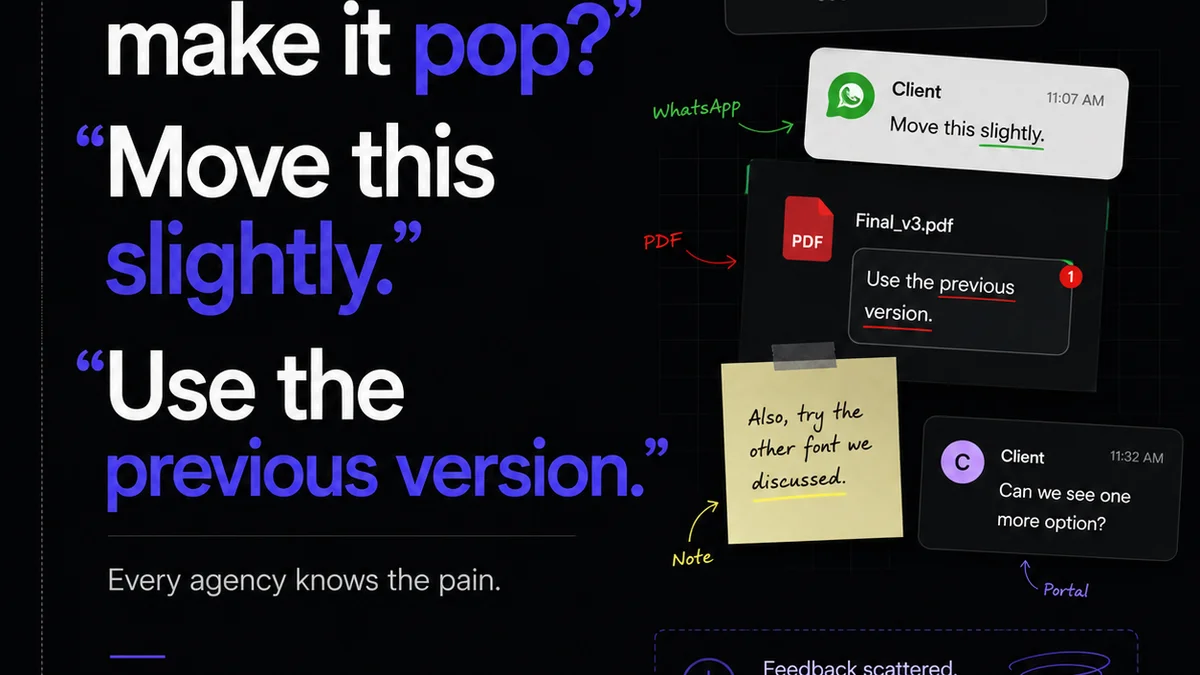
This thinking is why so many creative teams drown in email threads, endless revision cycles, and last-minute panic.
The Hard Truth: Approval Isn't a Moment, It's a Mechanism
A truly effective artwork approval process isn't about the final sign-off. It’s a carefully constructed mechanism designed to prevent confusion, minimize subjective feedback, and ensure everyone is aligned *before* the final moment arrives.
It’s about clarity, consistency, and control.
1. Define What "Approved" Actually Means
Before you can approve anything, you need to know what you're approving against. This means establishing clear criteria.
Establish Project Briefs That Stick
This sounds obvious, but how often do clients sign off on a brief, only to change their minds weeks later?
- Are project goals clearly articulated?
- Is the target audience defined?
- What are the key performance indicators (KPIs) for success?
- What are the non-negotiables (brand guidelines, legal requirements)?
A strong brief is your first line of defense against scope creep and subjective feedback. It’s the benchmark.
Set Reviewer Roles and Responsibilities
Who has the final say? Who provides technical feedback? Who checks for brand compliance?
Assigning specific roles to specific reviewers prevents conflicting feedback and ensures the right eyes are on the right details.
- Primary Approver: Holds the ultimate sign-off.
- Subject Matter Expert: Provides feedback on specific areas (e.g., legal, technical).
- Stakeholder: Offers input but doesn't necessarily have final decision power.
This clarity prevents the dreaded "too many cooks" scenario.
Define Deliverables and Acceptance Criteria
What exactly will be delivered? What specific criteria must each deliverable meet?
This goes beyond the brief. It's about the technical specifications, the format, the file types, and the expected quality standard.
2. Standardize Your Feedback Loop
The biggest killer of efficient approvals is messy, unstructured feedback.
Centralize All Communication
Email chains are the enemy of clear feedback. They get lost, fragmented, and impossible to track.
All feedback, questions, and discussions related to a specific piece of creative work should live in one place.
Implement Structured Feedback Forms
Don't just accept comments. Guide the feedback.
- Use standardized forms that prompt reviewers for specific information.
- Ask for feedback against the brief and acceptance criteria.
- Require justification for subjective comments.
This forces reviewers to be more thoughtful and provides context for the creative team.
Set Clear Turnaround Times
Get agreement on how long reviewers have to provide feedback.
Unresponsive clients or internal stakeholders are a major bottleneck.
- Communicate expected turnaround times upfront.
- Automate reminders for pending reviews.
- Build buffer time into your project schedule for inevitable delays.
3. Manage Revisions Systematically
Revisions aren't a sign of failure; they're part of the creative process. But they need to be managed.
Track Every Revision
You need a clear history of what changed, why it changed, and who requested the change.
This is crucial for identifying patterns of scope creep or unclear initial direction.
Version Control is Non-Negotiable
How many times has the team worked on version 7, only to realize the client was looking at version 5?
- Always clearly label versions (e.g., v1, v2, v1.1, v2-final).
- Use a system that clearly shows the latest version and allows easy access to previous ones.
- Archive older versions but keep them accessible for reference.
Prioritize and Group Feedback
Not all feedback is created equal.
The creative team should have the ability to group similar feedback, prioritize conflicting requests, and push back on feedback that deviates from the brief.
This prevents endless toggling between minor, often contradictory, tweaks.
4. Formalize the Final Approval
The moment of truth. Make it official.
Create a Clear Sign-Off Mechanism
This could be a digital signature, an email confirmation specifically requesting approval, or a formal button click within a review tool.
Whatever the method, it must be unambiguous.
Document the Final Approved Version
Once approved, that specific version is the final deliverable.
Ensure it's clearly marked and archived, separate from any working files.
Communicate the Approval Widely
Notify all relevant stakeholders that the project has received final approval.
This prevents further requests for changes on an already-approved asset.
Where Revue Fits In
Building this kind of robust artwork approval process from scratch is a significant undertaking. It requires tools that support clarity, centralization, and traceability.
Revue is designed to be that central hub for creative collaboration and client feedback.
- Centralized Feedback: All comments, annotations, and discussions happen directly on the creative asset, eliminating fragmented email chains and messy spreadsheets.
- Version Control: Easily upload new versions, compare them side-by-side, and ensure everyone is reviewing the latest iteration.
- Clear Revision History: Track every comment, every change, and every approval, creating an irrefutable audit trail.
- Streamlined Approvals: Set up clear review stages and notifications, making it obvious who needs to approve what, and when.
Revue helps bridge the gap between the creative work and the business of getting it approved, turning a chaotic process into a predictable workflow.
Final Thought
Are you managing approvals, or are approvals managing you?
The difference lies in building a system that respects the creative process while demanding professional rigor. It’s about moving beyond the "yes" to engineer the entire path that leads there.
Frequently asked questions
What are the key components of an effective artwork approval process?
An effective process includes clearly defined project briefs, established reviewer roles, standardized feedback mechanisms, systematic revision tracking, version control, and a formal sign-off procedure.
How can I prevent scope creep during the approval stage?
Prevent scope creep by having a strong, agreed-upon brief, defining clear acceptance criteria, using structured feedback forms that reference the brief, and maintaining strict version control. Centralizing communication also helps identify deviations early.
What's the best way to handle conflicting feedback from different reviewers?
Assign clear approval roles (e.g., primary approver, subject matter expert). Use a system that allows the creative lead to consolidate and prioritize feedback against the original brief, and to facilitate discussion if conflicts arise before presenting a consolidated response.
How important is version control in the approval process?
Version control is critical. It ensures everyone is reviewing and approving the correct iteration of the artwork, preventing confusion, wasted work, and disputes over which version is final.