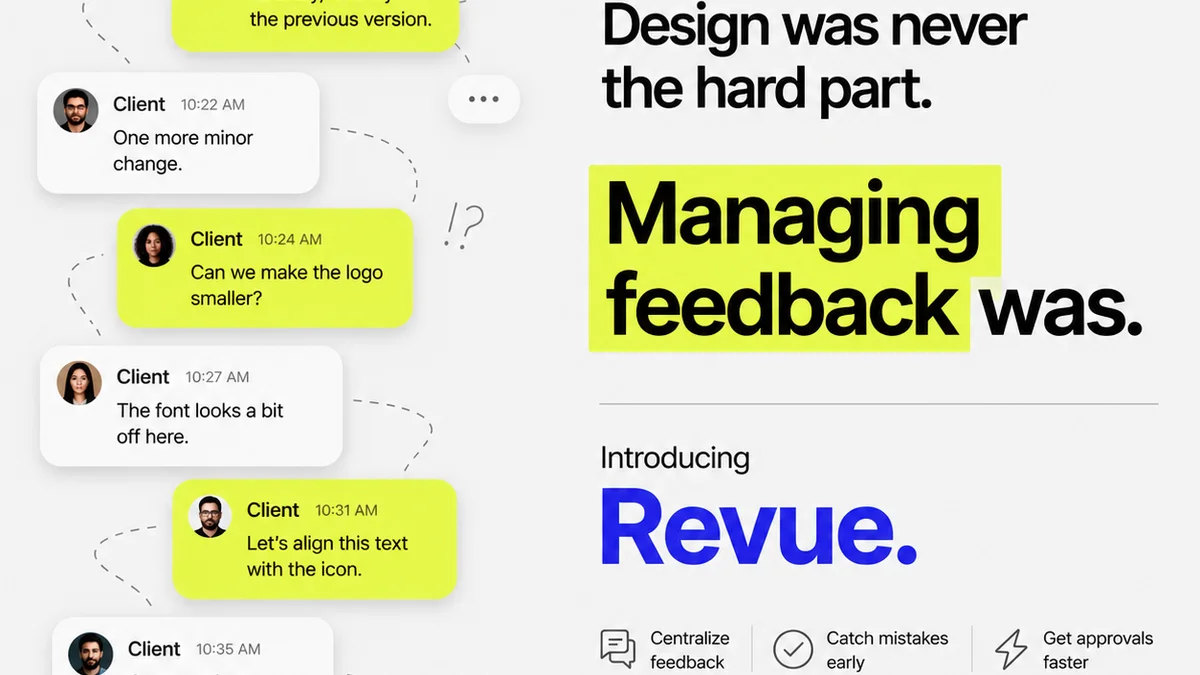
Everyone thinks creating marketing collateral is about design and copy. That’s not wrong. But it’s incomplete.
The real challenge for automotive marketing teams isn't just making assets look good. It's managing the chaotic workflow of feedback, revisions, and approvals that happens *before* anything goes public.
This is the hard truth: inefficient processes kill creativity and cost you time and money. Especially in the automotive sector, where brand consistency and compliance are paramount.
Forget the generic checklists. This is about operationalizing your collateral creation for speed, accuracy, and impact.
1. Defining Your Collateral Strategy
Before a single pixel is designed or a word is written, you need clarity. What are you trying to achieve with this collateral? Who are you trying to reach?
This isn't just about a new model launch. It's about customer retention, service promotion, or dealer network support.
Understanding Your Audience and Objectives
Every piece of collateral must serve a purpose. Is it to:
- Generate leads for a specific model?
- Drive traffic to a dealership event?
- Educate existing owners about new tech?
- Reinforce brand values and safety messaging?
Your objectives dictate the channel, the tone, and the call to action.
Aligning with Brand and Compliance Standards
Automotive is a regulated industry. Your collateral must adhere to strict guidelines.
- Legal disclaimers and fine print.
- Brand voice and visual identity.
- Model-specific feature accuracy.
- Imagery rights and usage.
Get this wrong, and you face costly rework or even legal trouble.
2. The Core Collateral Elements
What actually goes into your marketing collateral? It's more than just a shiny car photo.
Digital Assets
This is the front line for most consumers.
- Website landing pages and banners.
- Social media posts, stories, and ads.
- Email marketing templates and campaigns.
- Digital brochures and spec sheets.
- Video content (walkarounds, testimonials, ads).
Print Collateral
Still critical for dealerships and events.
- Physical brochures and flyers.
- Point-of-sale displays.
- Direct mail pieces.
- Event signage and banners.
Dealer Support Materials
Empowering your sales network.
- Sales training guides.
- Product knowledge sheets.
- Customer presentation tools.
- Local marketing templates.
Each element needs to be consistent, on-brand, and easily accessible.
3. The Creative Brief: Your Foundation
A weak brief leads to weak collateral. Period.
Your brief needs to be more than a wish list. It needs to be a blueprint.
Key Information to Include
Don't leave room for interpretation.
- Project Overview: What is this collateral for?
- Target Audience: Who are we talking to? (Demographics, psychographics, pain points)
- Key Message(s): What is the single most important thing they should take away?
- Objectives & KPIs: How will success be measured?
- Deliverables: Specific formats, sizes, and quantities.
- Mandatories: Legal, brand, and compliance requirements.
- Tone of Voice: How should it sound?
- References/Inspiration: Examples of what works (or doesn't).
- Budget & Timeline: Realistic constraints.
A thorough brief saves hours of back-and-forth later.
4. Content Creation and Review Workflow
This is where most automotive marketing teams stumble. The cycle of draft, review, feedback, revise, repeat.
Without a structured process, it becomes a black hole of revisions.
Content Drafting
Copywriters and designers need clear direction from the brief.
- Focus on benefits, not just features.
- Speak the language of your target audience.
- Ensure accuracy for all technical specifications.
Internal Reviews
Multiple stakeholders will want a say.
- Marketing Lead: Strategic alignment and messaging.
- Legal/Compliance: Adherence to regulations.
- Product Specialists: Technical accuracy.
- Sales Management: Dealership relevance.
Each review stage needs a clear purpose and deadline.
Stakeholder Feedback Management
This is the bottleneck. Emails get lost. Comments are ambiguous. Version control becomes a nightmare.
- Consolidate feedback in one place.
- Use clear annotation tools.
- Avoid subjective comments like "I don't like it." Ask "Why?"
- Prioritize feedback based on the brief's objectives.
Revision and Approval Cycles
The goal is to minimize these cycles.
- Set clear expectations for the number of revision rounds.
- Assign clear ownership for final approval.
- Document all changes and decisions.
This stage requires discipline.
5. Asset Production and Distribution
Once approved, how do you get the collateral into the right hands?
Production Management
Working with external vendors (printers, video studios).
- Provide final, approved files.
- Confirm specifications meticulously.
- Oversee quality control during production.
Digital Asset Management (DAM)
Where do finalized assets live?
- Centralized, searchable repository.
- Version control for all assets.
- Clear usage rights and expiry dates.
A robust DAM system is non-negotiable for large organizations.
Distribution to Dealerships and Partners
Ensuring your network has the latest materials.
- Clear communication on new assets.
- Easy access via dealer portals.
- Training on how to use the collateral effectively.
Don't let great collateral gather digital dust.
Where Revue Fits In
The process of creating automotive marketing collateral is complex. It involves multiple teams, strict compliance, and numerous approvals.
Revue helps streamline this by centralizing client feedback and managing revisions. Imagine a single source of truth for all your collateral projects. No more hunting through email chains for the latest version or trying to decipher ambiguous comments.
Revue provides clear visibility into the revision and approval process, ensuring everyone is on the same page. This means faster turnarounds and fewer errors, so your marketing materials hit the road faster and more effectively.
6. Measuring Collateral Performance
Creation is only half the battle. How do you know if it's working?
Tracking Digital Performance
For online assets, this is more straightforward.
- Website analytics (traffic, bounce rates, conversions).
- Social media engagement metrics.
- Email open and click-through rates.
- Lead generation from digital ads.
Measuring Print Impact
This requires different methods.
- Unique promo codes on direct mail.
- Surveys asking "How did you hear about us?"
- Tracking coupon redemptions.
- Dealer feedback on lead quality from print.
Gathering Stakeholder Feedback
Don't forget the internal users.
- Are dealerships using the materials?
- Is the sales team equipped to leverage them?
- Are there common questions or requests for new collateral?
Performance data informs future strategy.
Final Thought
Creating effective marketing collateral in the automotive industry is a marathon, not a sprint. It requires strategic planning, meticulous execution, and robust process management.
Are you building collateral that merely looks good, or are you building collateral that *performs*?
Frequently asked questions
What are the essential components of automotive marketing collateral?
Essential components include digital assets (website content, social media, emails, digital brochures), print collateral (physical brochures, flyers, POS displays), and dealer support materials (sales guides, product sheets).
How can I ensure my automotive marketing collateral is compliant?
Ensure compliance by involving legal and compliance teams early in the process, meticulously checking all disclaimers and fine print, and adhering strictly to brand guidelines and regulations specific to the automotive industry.
What is the biggest workflow challenge for automotive marketing teams creating collateral?
The biggest challenge is often managing the chaotic cycle of feedback, revisions, and approvals involving multiple stakeholders. This can lead to delays, confusion, and costly rework if not handled with a structured process.
How can I measure the effectiveness of print marketing collateral?
Measuring print effectiveness can be done through unique promo codes, direct mail response tracking, customer surveys asking about information sources, and by tracking coupon redemptions or specific dealership requests tied to the collateral.