Everyone wants the best print design services. You’ve probably spent hours scrolling through portfolios, mesmerized by glossy brochures and elegant packaging. That’s the obvious part. But it’s not the whole story.
None of that is wrong. But it’s incomplete.
The hard truth? The best print design services aren't just about pretty pictures. They’re about seamless process. They’re about reducing friction in your agency’s workflow. They’re about making revisions clear, approvals swift, and quality checks absolute. That’s what separates the good from the truly great.
1. The Illusion of the "Great Portfolio"
Your search for a print design service often starts and ends with a portfolio. You want to see beautiful work. You want to see projects that align with your aesthetic and your clients’ brands.
This is understandable. A strong portfolio is a baseline requirement. It shows technical skill and creative vision. It’s the first filter.
But a stunning portfolio can mask a chaotic workflow. It doesn’t tell you:
- How efficiently they manage feedback.
- How clear their revision process is.
- How they handle client approvals.
- Their capacity for high-volume work.
- Their reliability under pressure.
Relying solely on aesthetics is like hiring a chef based only on their plated dishes, ignoring their kitchen hygiene and inventory management. The food might look good, but the process is what ensures consistent quality and timely delivery.
2. Process Over Polish: The Operational Backbone
The real differentiator for top-tier print design services lies in their operational rigor. This is where the magic happens behind the scenes, ensuring that the creative vision translates into delivered reality without drama.
Consider these operational facets:
a. Structured Briefing and Onboarding
The best services don’t just ask, "What do you want?" They have a robust system for gathering information. This includes detailed questionnaires, client interviews, and style guides.
A clear brief prevents scope creep and misunderstandings. It sets expectations from day one. This is crucial for print projects where technical specifications (paper stock, bleed, color profiles) are non-negotiable.
b. Feedback Loops That Actually Work
How is feedback collected and disseminated? Is it a chaotic email chain? A confusing Slack thread? Or is there a centralized system?
Top services have clear channels for feedback. They might use annotation tools, dedicated project management software, or structured review meetings. The goal is clarity and traceability. Every comment is logged, assigned, and addressed. No more "Did you get my last email?"
c. Revision Management with Visibility
Revisions are inevitable. How they are handled is key. Are revisions clearly documented? Are there defined rounds? Is there a clear path from feedback to updated design?
A well-oiled machine will have a system for tracking revisions. They’ll present changes clearly, often with side-by-side comparisons or clear notes explaining what was altered and why. This transparency builds trust and speeds up the approval process.
d. Approval Processes That Don't Stall
Getting final sign-off can be a bottleneck. The best services have streamlined approval workflows. They know who needs to sign off, when, and how to present the final artwork for that decision.
This might involve clear approval checklists, digital signature capabilities, or dedicated sign-off meetings. The aim is to remove ambiguity and prevent last-minute changes that derail production.
e. Quality Control and Pre-Press Expertise
This is where many services fall short. Print design isn't just about the screen. It's about the physical output.
The best services have deep pre-press knowledge. They understand:
- Color management (CMYK vs. RGB, spot colors).
- File preparation (bleed, trim marks, resolution).
- Paper types and their impact on design.
- Printing techniques (offset, digital, letterpress).
- Finishing options (coating, embossing, die-cutting).
They don't just hand off a PDF. They deliver print-ready files meticulously prepared for the specific output method. This prevents costly errors and ensures the final product matches the design intent.
3. Scalability and Reliability
Can the service handle your workload? Not just today, but next month, or during your busy season?
A great service demonstrates scalability. This means they have the resources and processes to ramp up or down as needed without a drop in quality or a significant increase in turnaround time.
Reliability is built on consistent processes, clear communication, and a proven track record. It means they meet deadlines. It means they deliver what they promise, every time.
4. Communication and Collaboration Tools
Even with the best internal processes, effective communication with external partners is paramount. How do they integrate with your existing tools?
The leading services are adept at using collaborative platforms. They understand the need for real-time updates and accessible project information.
This doesn't mean adopting every new tool. It means using the right tools effectively. Whether it's a shared project management board, a centralized feedback platform, or regular sync calls, clear communication channels are non-negotiable.
5. Understanding Your Business Goals
The deepest partnerships go beyond transactional design work. The best print design services understand that their work serves a larger business objective.
Are you launching a new product? Rebranding an established company? Driving foot traffic to a retail location? The design service should grasp the 'why' behind the 'what'.
This strategic alignment means they can offer more than just execution. They can provide insights and recommendations that better serve your client's business outcomes. They become a strategic partner, not just a vendor.
Where Revue Fits In
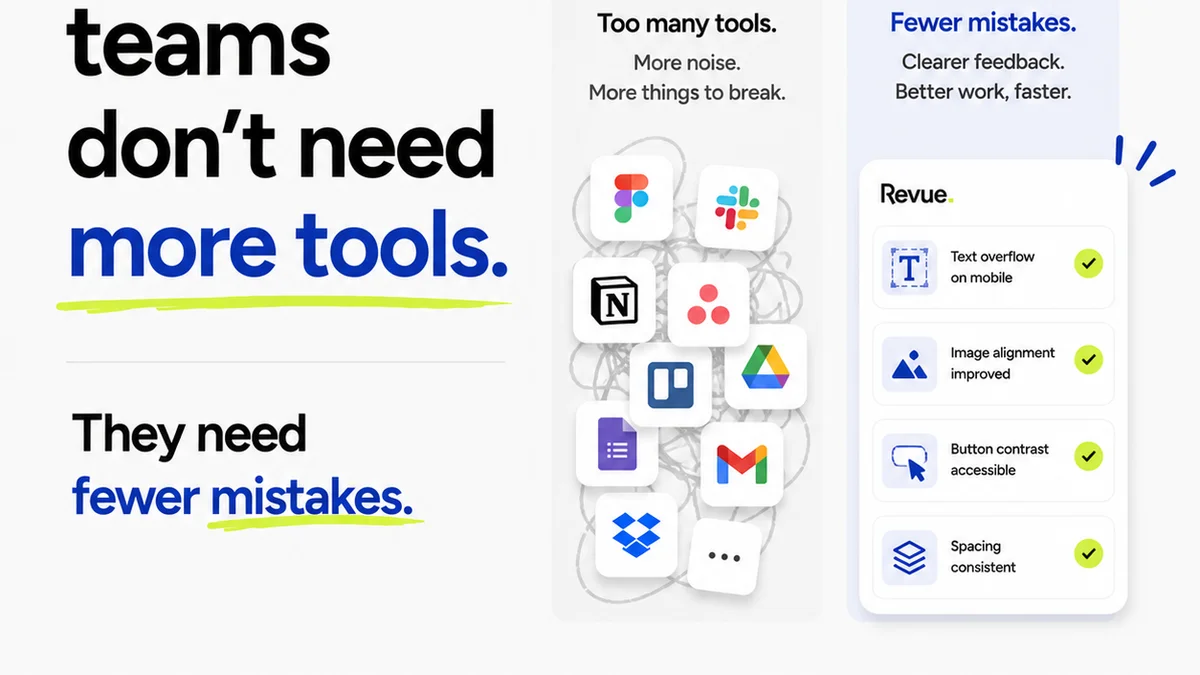
Managing creative projects, especially those involving external partners like print design services, can quickly become complex. Feedback gets lost, revisions pile up, and approvals stall. This is precisely the operational friction that Revue is built to eliminate.
Revue acts as the central nervous system for your creative feedback and approval process. Imagine this:
- Centralized Feedback: All client and stakeholder feedback, whether from internal teams or external print designers, lands in one place. No more hunting through emails or Slack messages.
- Clear Revision Tracking: See exactly what changes were requested, who requested them, and which version of the design they apply to. This provides an irrefutable audit trail.
- Streamlined Approvals: Define clear approval stages and assign stakeholders. Get timely notifications and manage the sign-off process efficiently, ensuring nothing gets missed.
- Quality Assurance Visibility: Use Revue to track feedback related to pre-press checks or specific print requirements, ensuring all technical details are ironed out before files go to print.
By providing a single source of truth for feedback and approvals, Revue helps ensure that the brilliant creative work produced by top print design services is managed efficiently, reducing bottlenecks and accelerating time-to-market.
Final Thought
The next time you’re evaluating a print design service, look beyond the glossy pages of their portfolio. Ask the tough questions about their process. How do they handle feedback? How do they manage revisions? How do they ensure print-readiness?
Because in the end, the most beautiful design is useless if it's delivered late, riddled with errors, or fails to meet the client's underlying business objective. True excellence is operational as much as it is aesthetic.
Frequently asked questions
How do I evaluate the operational efficiency of a print design service?
Ask specific questions about their intake process, how they manage feedback (e.g., tools used, communication channels), their revision workflow, and their pre-press capabilities. Request to see examples of their project management or communication protocols.
What are the key pre-press considerations for print design?
Key considerations include color management (CMYK profiles), resolution requirements, bleed and trim settings, appropriate file formats (e.g., high-resolution PDF/X), and understanding different printing methods (offset, digital) and finishing options.
How can a print design service integrate with my existing agency workflow?
The best services will be flexible and adapt to your preferred communication and project management tools. They should be able to integrate into your existing feedback and approval cycles, often through shared platforms or regular syncs.
Is a strong portfolio less important than a good process?
A strong portfolio is essential to demonstrate creative skill and aesthetic alignment. However, a robust process is what ensures that creative vision is executed efficiently, reliably, and without costly errors. The best services excel at both.