Everyone thinks UX design for real estate is about making property listings look pretty. That they just need a slick website with nice photos and maybe a virtual tour. None of that is wrong. But it’s incomplete.
The hard truth? The best UX design in real estate isn't just about aesthetics; it's about architecting seamless, intuitive, and trust-building experiences that directly impact lead generation, conversion rates, and long-term client loyalty. It’s about understanding the entire journey of a buyer, seller, or renter, and smoothing out every single friction point.
If you're a real estate agency or developer looking to leverage design for tangible business growth, you need to look deeper than surface-level polish. You need services that understand the unique challenges and opportunities within the property market.
1. Understanding the Real Estate User Journey: More Than Just Browsing
The typical assumption is that a real estate website is a digital brochure. Users browse, they click, they inquire. Simple, right?
Wrong. The user journey in real estate is complex, emotional, and often lengthy. It involves research, comparison, site visits, financial planning, negotiation, and closing. Each stage presents unique user needs and pain points.
Top UX design services focus on mapping this entire journey. They identify critical touchpoints:
- Initial property discovery (online search, social media)
- Detailed property evaluation (listings, virtual tours, floor plans)
- Agent interaction and inquiry
- Scheduling viewings
- Financing and pre-approval
- Offer submission and negotiation
- Closing process
- Post-purchase or post-rental experience
Each of these points is an opportunity to either delight a user or drive them away. Great UX design ensures it’s the former.
The Emotional Rollercoaster
Buying or selling a home is one of the biggest financial and emotional decisions someone makes. Anxiety, excitement, stress – it's all part of the process.
UX designers must account for these emotions. A confusing interface or a lack of clear information can amplify stress. Conversely, a smooth, supportive digital experience can alleviate it, building confidence in the brand.
Data-Driven Decisions, Not Guesses
The best UX services don't guess what users want. They use data. Analytics, heatmaps, user testing, and surveys are crucial.
For real estate, this means understanding:
- Which property features are most searched for?
- Where do users drop off in the inquiry form?
- What questions do potential buyers repeatedly ask?
- How do users interact with virtual tours?
This data informs design decisions, ensuring that the end product is not just visually appealing but also highly functional and effective.
2. Key Features of Leading Real Estate UX Design Services
When evaluating UX design services for real estate, look for specific capabilities that go beyond generic web design.
Specialized Industry Knowledge
A firm that understands real estate nuances is invaluable. They know the difference between a buyer's agent portal and a seller's listing dashboard. They understand the importance of high-quality imagery, detailed property descriptions, and integrated mapping tools.
This isn't about knowing what a mortgage is; it's about knowing how to present financing options in a way that builds trust and encourages engagement.
User Research Tailored to Property Seekers
Deep dives into the motivations and behaviors of buyers, sellers, renters, and investors are critical. What are their primary search filters? What information is essential at each stage of their decision-making? How do different demographics (e.g., first-time homebuyers vs. luxury buyers) interact with listings?
Conversion Rate Optimization (CRO) Focus
Ultimately, real estate businesses need leads and sales. The best UX services are laser-focused on CRO. This means designing interfaces that:
- Encourage form submissions (contact, pre-approval)
- Drive appointment bookings
- Facilitate direct inquiries
- Promote newsletter sign-ups for new listings
They use A/B testing and analytics to continually refine these elements.
Mobile-First, Responsive Design
Property searches happen everywhere, often on the go. A flawless mobile experience is non-negotiable. This includes:
- Fast loading times
- Easy navigation on small screens
- Click-to-call functionality
- Map integration that works intuitively
- High-resolution image galleries accessible with a swipe
A clunky mobile site is a deal-breaker.
Accessibility (WCAG Compliance)
Ensuring your digital properties are accessible to everyone is not just good practice; it's often a legal requirement. Leading UX services adhere to Web Content Accessibility Guidelines (WCAG). This includes considerations for:
- Screen reader compatibility
- Keyboard navigation
- Sufficient color contrast
- Clear focus indicators
- Alt text for images
Making your listings accessible broadens your audience and demonstrates corporate responsibility. For more on accessibility standards, the W3C Web Accessibility Initiative is the definitive resource.
Integration Capabilities
Real estate platforms often need to integrate with CRMs, MLS feeds, marketing automation tools, and payment gateways. A good UX service will ensure these integrations are seamless from a user's perspective, not just a technical one.
3. Common Pitfalls to Avoid in Real Estate UX
Many agencies and developers fall into traps that undermine their digital efforts. Recognizing these is the first step to avoiding them.
Overemphasis on Visuals, Underemphasis on Function
Stunning photography is vital, but it's not the whole story. A beautiful website that’s hard to navigate or doesn't provide essential information quickly will fail.
Users need to find what they're looking for efficiently. This means logical site structure, clear calls to action, and readily available property details.
Ignoring the Mobile Experience
As mentioned, this is critical. If your desktop site is great but your mobile site is a mess, you're losing a massive chunk of potential clients.
Complex or Lengthy Forms
Nobody wants to fill out a 20-field form just to inquire about a property. Streamline forms, only ask for essential information upfront, and consider progressive profiling to gather more data over time.
Poor Search and Filtering Functionality
If users can't easily find properties that match their criteria, they'll go elsewhere. Robust, intuitive search and filtering options are paramount. Think beyond basic filters like price and bedrooms; consider neighborhood features, property types, specific amenities, and even school districts.
Lack of Clear Calls to Action (CTAs)
What do you want users to do next? Schedule a viewing? Download a brochure? Contact an agent? Make your CTAs clear, prominent, and easy to understand. Ambiguity kills conversions.
Neglecting Post-Inquiry Experience
The UX doesn't end with a form submission. What happens next? Is there an automated confirmation? Does an agent follow up promptly and professionally? The digital experience should seamlessly transition into the human interaction.
4. Finding the Right UX Design Partner in the US
Selecting a UX design service requires due diligence. Here’s what to look for:
Portfolio Review
Examine their past work, specifically in real estate or related industries (e.g., finance, high-value e-commerce). Does their work demonstrate a deep understanding of user needs and business goals?
Case Studies
Look for detailed case studies that showcase their process, challenges, solutions, and measurable results. Quantifiable outcomes (e.g., increased lead generation by X%, reduced bounce rate by Y%) are strong indicators of effectiveness.
Client Testimonials and Reviews
What do their past clients say? Look for feedback on communication, process, expertise, and delivery.
Process and Collaboration
Understand their design process. How do they involve clients? How do they conduct user research? A collaborative approach ensures alignment and better outcomes.
Technology Stack and Future-Proofing
While UX is about people, the underlying technology matters. Ensure they work with modern, scalable technologies that won't become obsolete quickly. Familiarity with platforms like Figma for collaborative design is a good sign.
Understanding of Real Estate Tech Trends
Are they aware of emerging technologies like AI in property search, augmented reality for virtual staging, or blockchain for property transactions? While not every project needs these, awareness shows they are forward-thinking.
Where Revue Fits In
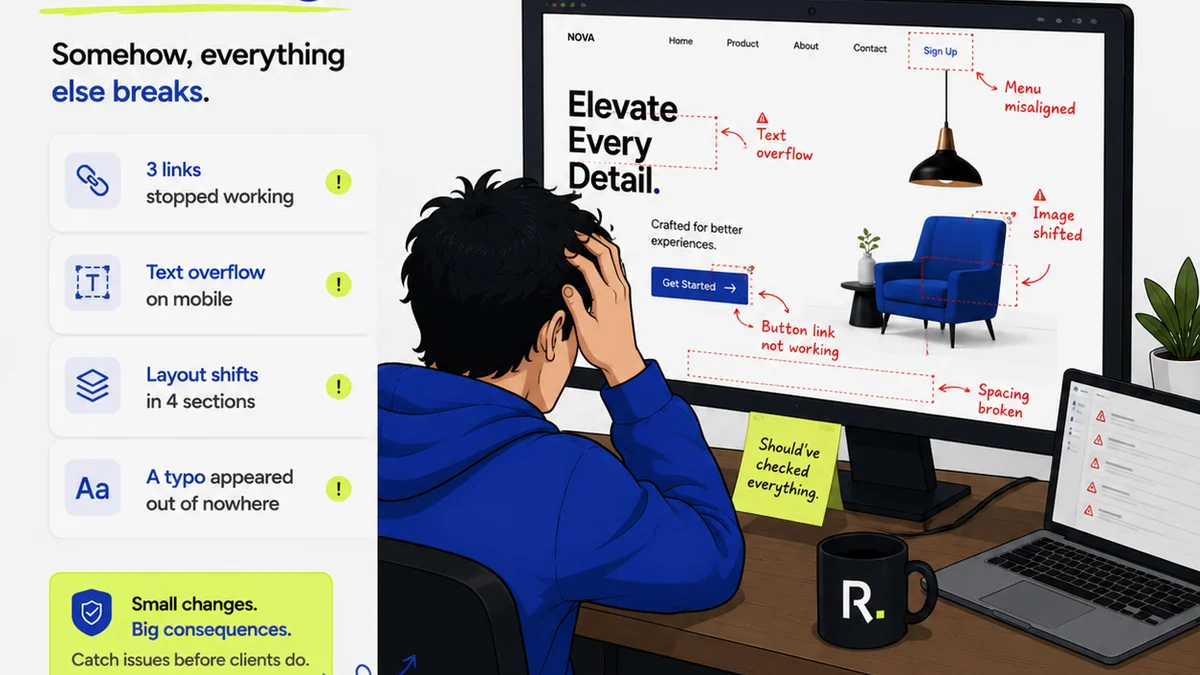
Managing creative projects, especially those involving client feedback and revisions, can introduce friction points that negatively impact user experience. This is where Revue can be a game-changer for agencies and in-house teams working on real estate digital assets.
Centralizing client feedback on websites, landing pages, or property listing mockups means less confusion. Stakeholders see all comments in one place, preventing siloed feedback and misinterpretations. This directly contributes to a smoother, more efficient design process, which ultimately shapes a better end-product for the user.
Revision management becomes transparent. Tracking changes and approvals ensures that the final product aligns with client expectations and the original UX strategy. This visibility reduces errors and accelerates the delivery of high-quality digital experiences, crucial in the fast-paced real estate market.
Quality checks are integrated. By having a clear, auditable trail of feedback and revisions, teams can ensure that the final digital asset meets all functional and aesthetic requirements before launch. This rigor is essential for creating digital experiences that users trust and engage with.
5. The ROI of Great Real Estate UX
Investing in professional UX design services for real estate isn't just an expense; it's a strategic investment with a clear return.
Higher Conversion Rates: Intuitive design leads to more inquiries, more viewings booked, and more offers.
Increased User Engagement: When users find what they need easily and enjoy the experience, they spend more time on your site and are more likely to return.
Enhanced Brand Reputation: A professional, user-friendly digital presence builds trust and positions your agency or development as a leader.
Reduced Development Costs: Getting the UX right upfront minimizes costly redesigns and revisions later.
Better Client Retention: A positive digital experience can foster loyalty, leading to repeat business and referrals.
Measuring Success
Key performance indicators (KPIs) to track include:
- Lead quality and quantity
- Website conversion rates (form submissions, calls)
- Time on site and pages per session
- Bounce rates
- Customer satisfaction scores
- Return on Investment (ROI) of UX initiatives
Consistently monitoring these metrics will demonstrate the value of a well-executed UX strategy.
Final Thought
The real estate market is fiercely competitive. In a world where buyers and sellers have endless choices, the digital experience you offer is often the first — and most crucial — point of contact. Are you merely presenting properties, or are you architecting experiences that guide users seamlessly towards their goals, building trust and driving business outcomes every step of the way?
Frequently asked questions
What is the primary goal of UX design in real estate?
The primary goal is to create seamless, intuitive, and trust-building digital experiences for buyers, sellers, and renters. This goes beyond aesthetics to optimize user journeys, increase lead generation, improve conversion rates, and foster client loyalty.
How does UX design impact lead generation for real estate businesses?
Effective UX design makes it easier for potential clients to find properties, understand details, and take action (like submitting an inquiry or booking a viewing). By reducing friction and improving usability, it directly increases the likelihood of conversions and thus, lead generation.
Why is mobile-first design critical for real estate websites?
A significant portion of property searches occur on mobile devices. A mobile-first approach ensures that users have a fast, easy-to-navigate, and visually appealing experience on their smartphones, which is crucial for capturing leads and maintaining engagement while they are on the go.
What should I look for in a UX design service for my real estate company?
Look for specialized industry knowledge in real estate, a strong portfolio with relevant case studies, a focus on user research tailored to property seekers, proven CRO capabilities, a commitment to mobile-first and accessible design (WCAG compliant), and strong integration skills.
How can I measure the ROI of UX design services in real estate?
You can measure ROI by tracking key performance indicators (KPIs) such as lead quality and quantity, website conversion rates (form submissions, calls), user engagement metrics (time on site, pages per session), reduced bounce rates, and ultimately, the overall return on investment for specific UX initiatives.