Everyone wants the 'best' website design services. It's a natural impulse. You see stunning work online, read glowing testimonials, and assume that's the whole story. You want that kind of visual magic for your brand.
None of that is wrong. But it’s incomplete.
The hard truth? The 'best' isn't just about aesthetics. It's about how a design service operates. It’s about process, communication, and a deep understanding of business goals. The real value lies in operational excellence, not just creative flair.
1. Defining 'Best' in Website Design
Forget the portfolio alone. The best website design services in the US don't just build beautiful sites; they build effective ones. They understand that a website is a tool, not just a digital billboard.
What does that look like in practice?
- Clear, repeatable processes.
- Transparent communication.
- A focus on user experience (UX) that drives conversions.
- Technical proficiency that ensures performance and scalability.
- A partnership approach, not just a vendor relationship.
The Portfolio Trap
A slick portfolio can be deceiving. It showcases their highlight reel, not their day-to-day grind. You don't see the client who was difficult, the project that went sideways, or the compromises made.
Look for consistency and a range of projects, not just a few standout pieces. Ask about their process for handling less glamorous, but equally critical, aspects of web design.
2. Process as a Product
The best agencies treat their process as seriously as their final product. It’s the engine that turns client needs into tangible results. A well-oiled process minimizes risk, maximizes efficiency, and ensures quality.
What should a robust design process include?
- Discovery & Strategy: Deep dives into client goals, target audience, and competitive landscape. This isn't just a kickoff meeting; it's foundational research.
- Information Architecture (IA) & Wireframing: Mapping out the user journey and site structure before any visual design begins. Think blueprints before paint.
- User Interface (UI) Design: Crafting the visual elements – color, typography, layout – that align with brand identity and user needs.
- Prototyping & User Testing: Creating interactive mockups to test usability and gather feedback early, reducing costly revisions later.
- Development & QA: Translating design into functional code, followed by rigorous testing across devices and browsers.
- Deployment & Post-Launch: Smooth rollout and ongoing support or optimization.
A service that can articulate this process, and stick to it, is a good sign.
Don't Skip the Discovery Phase
This is where many projects stumble. A superficial understanding of your business leads to generic design. The best services push back, ask tough questions, and demand clarity on objectives. If they aren't grilling you on KPIs, they aren't the best.
3. Communication: The Unsung Hero
Website design is a collaborative effort. Miscommunication is the enemy of progress and client satisfaction. The top agencies excel at managing expectations and keeping clients informed.
Key communication practices include:
- Regular, scheduled check-ins.
- Clear points of contact.
- Proactive updates on progress and potential roadblocks.
- A centralized system for feedback and approvals.
- Honest conversations about scope and timelines.
If an agency relies on scattered emails and ad-hoc calls, beware.
Feedback Loops Matter
How are revisions handled? Is there a clear system for providing and tracking feedback? The best services have structured feedback loops that prevent endless back-and-forth and scope creep.
4. Technical Foundations: Performance and Accessibility
A beautiful website that loads slowly or alienates users isn't effective. The best website design services understand the critical role of technical execution.
This means:
- Performance Optimization: Fast load times are non-negotiable. Users abandon slow sites. Core Web Vitals from Google are a good benchmark.
- Responsive Design: The site must work flawlessly on every device – desktop, tablet, and mobile.
- Accessibility (a11y): Designing for all users, including those with disabilities. Adhering to standards like WCAG is crucial.
- SEO Best Practices: Building sites with search engine visibility in mind from the ground up.
- Scalable Architecture: Ensuring the site can grow with your business.
Don't let a focus on visuals overshadow these essential technical elements.
Accessibility Isn't Optional
Ignoring accessibility excludes potential customers and can lead to legal issues. The best agencies integrate accessibility from the start, not as an afterthought. Look for a commitment to standards like WCAG.
5. Beyond Launch: Partnership and Growth
The relationship shouldn't end at launch. The best services view themselves as long-term partners invested in your success. They offer ongoing support, analytics review, and strategic recommendations.
Consider:
- What post-launch support is offered?
- Do they provide analytics and insights?
- Are they available for future iterations or optimizations?
- Do they understand your business beyond the initial project?
A one-off project is a transaction. A true partnership is an investment.
Where Revue Fits In
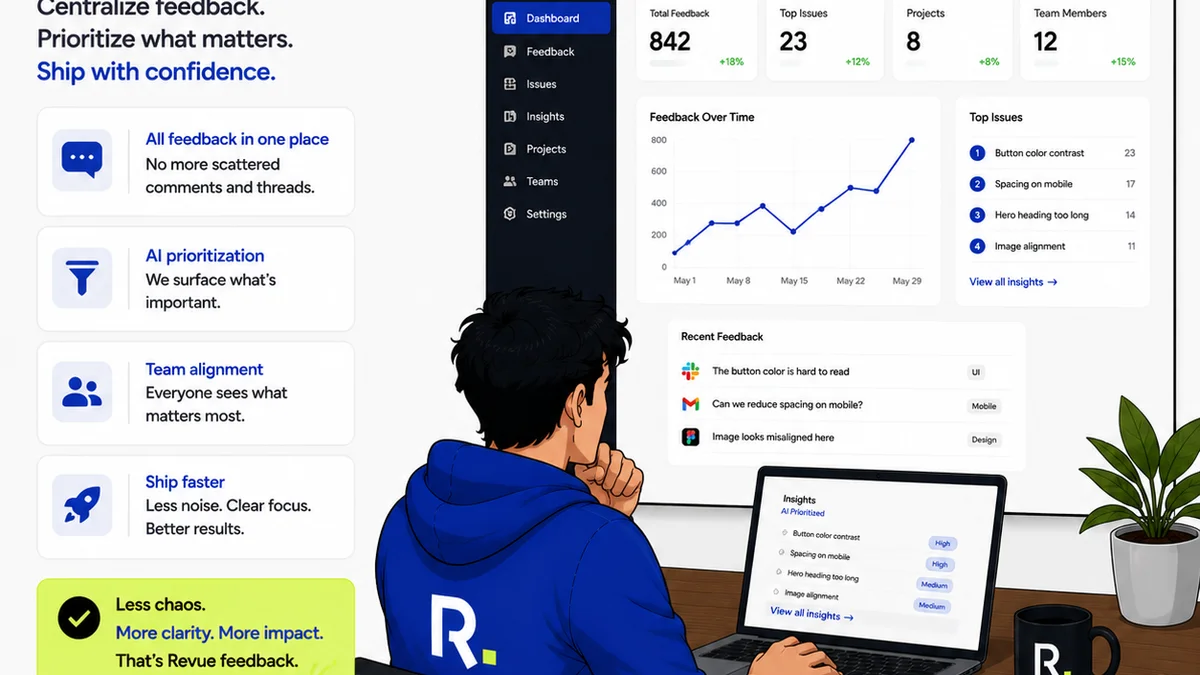
Managing client feedback and revisions is a critical part of the design process. It’s where many projects get bogged down, leading to frustration and delays. This is precisely why tools like Revue were built.
Revue helps creative agencies and in-house teams centralize client feedback, manage revisions, and ensure approvals are clearly tracked. Instead of hunting through endless email threads or scattered documents, all feedback lives in one place.
This visibility streamlines communication, reduces misunderstandings, and keeps the project moving forward efficiently. It allows designers and clients to focus on the creative work, not the administrative overhead.
Final Thought
The 'best' website design service isn't just about finding a team with a stunning portfolio. It's about finding a partner with a robust, transparent process, exceptional communication skills, and a deep technical understanding. It’s about operational excellence that translates creative vision into measurable business results.
Are you evaluating design partners based on their operational rigor, or just their latest showcase?
Frequently asked questions
What's the difference between UI and UX design?
UI (User Interface) design focuses on the visual elements and interactivity of a product – what it looks like and how users interact with buttons, screens, etc. UX (User Experience) design is broader, focusing on the overall feeling and usability of the experience a user has with a product or service, ensuring it's effective, efficient, and enjoyable.
How important is website accessibility?
Website accessibility is crucial. It ensures that people with disabilities can perceive, understand, navigate, and interact with your website. Adhering to standards like WCAG not only makes your site inclusive but can also improve SEO and user experience for everyone.
How can I ensure my website design project stays on budget?
Clear scope definition during the discovery phase is key. Establishing a structured feedback and revision process, and using tools to manage these, helps prevent scope creep. Transparent communication about potential changes and their cost implications with your design service is also vital.
What should I look for in a website design agency's process?
Look for a structured, repeatable process that includes thorough discovery and strategy, clear wireframing and IA, iterative design with user testing, robust development, and rigorous QA. A service that can clearly articulate and adhere to their process demonstrates professionalism and reduces project risk.