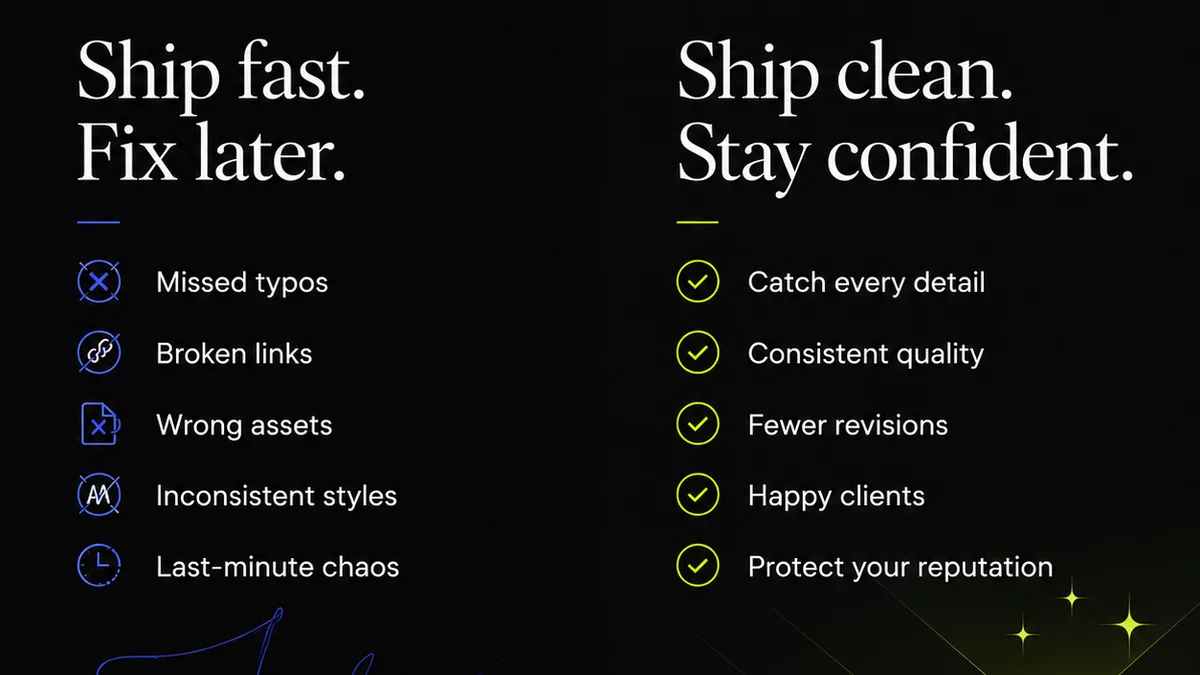
Everyone thinks a smooth book production workflow is about detailed checklists and hitting deadlines. That’s not wrong. But it’s incomplete.
The hard truth? A truly efficient workflow isn’t just about ticking boxes; it’s about building a system that anticipates problems, clarifies communication, and integrates quality checks seamlessly from manuscript to print-ready file. It’s about operational excellence, not just task management.
1. The Myth of the Linear Process
Book production is often visualized as a straight line: manuscript received, edited, designed, proofread, printed. Simple, right?
Wrong. It’s a web. Edits impact design. Design choices flag copy issues. Proofreading catches things missed in editing. Each stage has ripple effects.
Ignoring these interdependencies leads to:
- Endless, costly revisions late in the process.
- Miscommunication between editorial, design, and production teams.
- Compromised quality due to rushed final checks.
- Missed print deadlines and unhappy authors.
A better approach treats production as an integrated system, not a relay race.
2. Defining Your Core Production Stages
Before you can optimize, you need to clearly define what you’re optimizing. Break down your book production into distinct, measurable stages.
Manuscript Acquisition & Initial Review
This is where the journey begins. What are your intake criteria? Who reviews submissions and what’s the feedback loop for authors?
Editorial & Content Development
This stage covers developmental editing, line editing, and copyediting. What are the clear deliverables and review points for each?
Design & Typesetting
Cover design, interior layout, typography. How are style guides maintained? How is visual consistency ensured across different book formats?
Proofreading & Quality Assurance
This is your final gate. It’s not just about catching typos. It’s about validating consistency, formatting, and adherence to all previous requirements.
Pre-press & Print Production
Preparing files for the printer. This involves color correction, imposition, and generating print-ready PDFs. Errors here are expensive.
Post-Production & Distribution
While not strictly workflow, understanding how the final product is distributed informs earlier decisions.
Each stage needs defined inputs, outputs, responsibilities, and quality gates.
3. Integrating Feedback and Revisions
This is where most workflows break down. Feedback is often scattered, subjective, and leads to endless back-and-forth.
The Problem with Email Chains
Email is terrible for managing feedback on complex documents like books. It’s easy to lose track of versions, miss comments, and have conflicting instructions.
This leads to confusion and frustration for everyone involved.
Centralizing Communication
You need a single source of truth for all feedback and revisions. This isn’t about more meetings; it’s about better tools.
Imagine:
- All comments directly on the page or paragraph.
- Clear status tracking for each revision.
- A documented history of all feedback and approvals.
- Reduced reliance on subjective interpretation.
This clarity saves time and prevents costly mistakes.
4. The Power of Standardized Processes
Treating each book as a unique snowflake is a recipe for inefficiency. While every book has its nuances, the underlying production process can be standardized.
Style Guides and Templates
Develop comprehensive style guides covering everything from grammar and punctuation to typography and layout. Use templates for interior design and cover layouts.
This ensures consistency and reduces decision fatigue for your team.
Checklists for Every Stage
Detailed, stage-specific checklists are essential. These aren't just reminders; they are quality control instruments.
Examples:
- Editorial Checklist: Consistency in character names, plot points, factual accuracy.
- Design Checklist: Font usage, image resolution, bleed settings, chapter heading consistency.
- Proofreading Checklist: Typographical errors, grammatical errors, punctuation, hyphenation, widows/orphans, page numbering, table of contents accuracy.
- Pre-press Checklist: Color profiles, bleed, trim marks, font embedding, file format (PDF/X-1a is common).
Standardization doesn’t stifle creativity; it frees up creative energy by removing repetitive, low-level decision-making.
5. Building in Quality Assurance
Quality assurance isn’t a final step; it’s woven throughout the entire workflow.
Multi-Stage Reviews
Don't rely on a single proofread. Incorporate reviews at key transition points:
- After copyediting, before design.
- After typesetting, before final proofreading.
- After final proofreading, before pre-press.
Each review should focus on different aspects: content, consistency, formatting, and error correction.
Clear Approval Gates
Define exactly what constitutes an
Frequently asked questions
What is the most common bottleneck in book production?
The most common bottleneck is often the feedback and revision cycle. Scattered communication, unclear instructions, and version control issues lead to delays and frustration, pushing back the entire schedule.
How can I ensure consistency in book design and editing?
Consistency is achieved through robust style guides and templates. A style guide dictates grammar, punctuation, and tone, while design templates ensure consistent typography, layout, and visual elements across all pages and books.
Is it better to proofread before or after design?
It's crucial to proofread at multiple stages. An initial proofread after content editing catches substantive errors. A final proofread after design and typesetting catches errors introduced during layout and ensures formatting accuracy. Never skip the final proofread.
How does technology help improve book production workflows?
Technology, like centralized feedback platforms, streamlines communication, tracks revisions, and provides a single source of truth. Project management tools help schedule tasks and monitor progress, while pre-press software automates file checks, reducing manual errors.