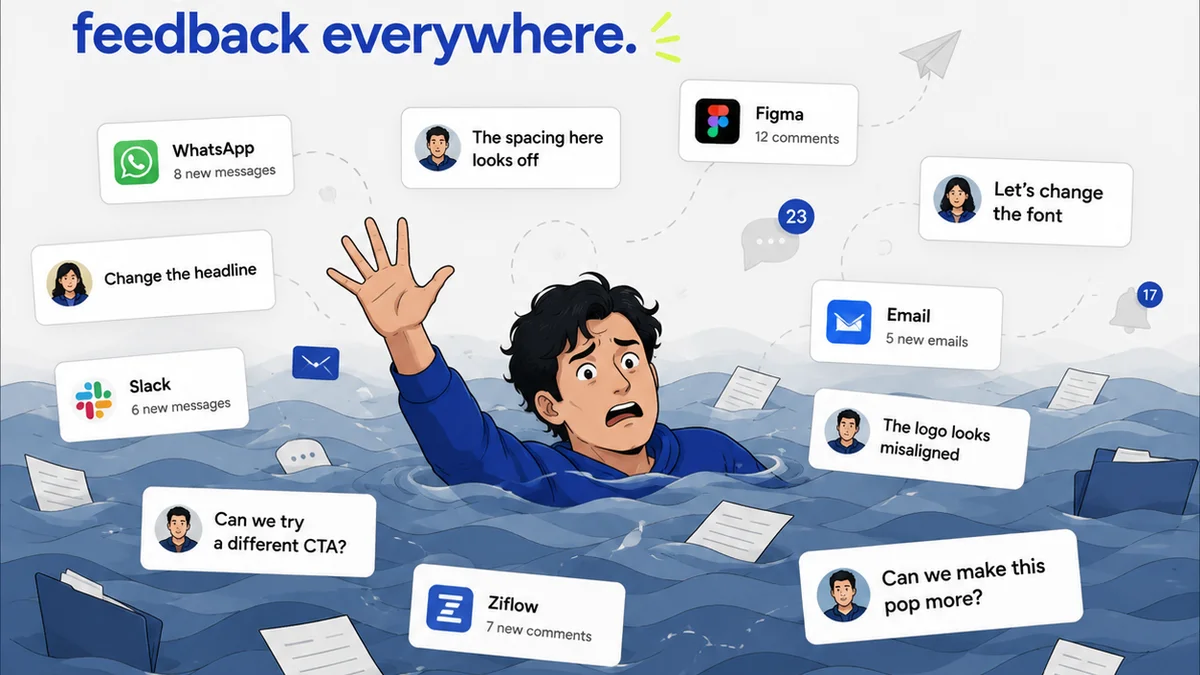
You think brand asset governance is about a shared drive with clearly labeled folders. Maybe a password-protected Dropbox. That’s the surface. The reality for busy US creative teams is far messier.
The hard truth? Without a centralized, controlled system, your agency risks brand dilution, wasted hours, and client frustration. It’s not just about storage; it’s about control, accessibility, and maintaining the integrity of every visual touchpoint.
1. The Illusion of Control: Why Shared Drives Fail
Every agency owner or creative director has experienced it. A junior designer uses a slightly off-brand logo. A client presents an outdated campaign graphic. A sales team sends out a deck with last year’s color palette. These aren’t isolated incidents; they’re symptoms of a deeper problem.
Shared drives, while seemingly organized, lack the crucial controls needed for true asset governance. Version control is often a manual nightmare, leading to accidental use of outdated materials.
The Downside of Decentralized Assets
- Endless searching through nested folders.
- Difficulty tracking asset usage and approvals.
- Inconsistent branding across client deliverables.
- Risk of using incorrect or unlicensed assets.
- Wasted time and resources on re-work.
This chaos isn’t just inefficient; it’s a direct threat to the quality and consistency your clients expect. It undermines your agency's professionalism and can even lead to legal issues if licensing terms are violated.
2. What Real Brand Asset Governance Looks Like
Effective brand asset governance goes beyond mere storage. It’s a strategic approach to managing your creative assets throughout their lifecycle.
This means having a single source of truth for all approved brand materials, accessible to everyone who needs them, with clear guidelines on how they can be used.
Key Components of a Robust System
- Centralized Digital Asset Management (DAM): A single, searchable repository for all approved assets.
- Version Control: Automatic tracking of asset versions, ensuring only the latest are used.
- Access Permissions: Granular control over who can view, download, or edit assets.
- Usage Guidelines: Clear documentation on how assets should and shouldn't be used.
- Approval Workflows: Streamlined processes for getting assets reviewed and signed off.
- Metadata and Tagging: Robust tagging for easy searching and categorization.
Think of it as a highly organized, secure library for your agency’s creative DNA. Every asset is cataloged, protected, and readily available for authorized use.
3. Essential Features in Brand Asset Governance Tools
When evaluating tools, look beyond basic file-sharing. You need a system that actively supports your workflow and protects your clients’ brands.
These tools are designed to prevent the very mistakes that plague decentralized systems.
Must-Have Functionality
- Intuitive Search: Powerful search capabilities using keywords, tags, and filters.
- Preview and Download Options: Ability to preview assets in various formats and download them in required specifications.
- User Management: Tools to manage user roles, permissions, and groups.
- Audit Trails: Logs of who accessed, downloaded, or modified assets, and when.
- Integration Capabilities: Seamless connection with other tools in your creative stack (e.g., Adobe Creative Cloud, Figma).
- Brand Portals: Customizable portals for clients or internal teams to access approved assets.
Features like these transform asset management from a chore into a strategic advantage. They ensure brand consistency and save your team invaluable time.
4. Choosing the Right Tools for US Teams
The market offers a range of solutions, from full-blown Digital Asset Management (DAM) systems to more specialized brand management platforms. The best choice depends on your agency’s size, client base, and specific needs.
For US-based teams, consider factors like data security, compliance (e.g., CCPA), and ease of integration with existing US-centric workflows.
Categories of Tools to Consider
- Dedicated DAM Platforms: Comprehensive solutions offering extensive features for large organizations or agencies with complex asset needs. Examples include Bynder, Canto, and Widen.
- Integrated Creative Workflow Tools: Platforms like [Revue](https://www.getrevue.com/) that offer asset management as part of a broader feedback and approval process, ideal for agencies prioritizing streamlined project execution.
- Cloud Storage with Advanced Features: Services like Google Drive, Dropbox Business, or Box, when augmented with strong internal processes and potentially third-party integrations for added governance.
- Specialized Brand Management Software: Tools focused on specific aspects of brand governance, such as logo usage or campaign tracking.
The key is to find a tool that fits your operational reality, not one that forces you to contort your processes to match its features.
5. Where Revue Fits In
While Revue isn’t a standalone Digital Asset Management (DAM) system, it plays a critical role in the *governance* of brand assets within creative projects.
Our strength lies in centralizing client feedback and managing revisions, which directly impacts how assets are finalized and approved.
Streamlining Asset Approval and Distribution
- Centralized Feedback Hub: All client comments and stakeholder approvals on creative assets are captured in one place, linked to specific versions. This eliminates ambiguity about which asset is the *approved* one.
- Revision and Approval Visibility: Track the entire history of revisions and approvals for each asset. When a client signs off on a final version within Revue, you have a clear, auditable record.
- Quality Check Integration: Use the structured feedback and approval process to ensure assets meet brand guidelines before final delivery. This prevents outdated or incorrect assets from being pushed to production.
- Single Source of Truth for Project Assets: While Revue manages project-specific assets, its clear approval trails establish the definitive final version, which can then be correctly archived or transferred to a primary DAM.
By providing a clear, documented path from concept to final approval, Revue ensures that the *right* assets are used for the *right* purpose, significantly reducing the risk of brand misuse.
6. The Cost of Poor Governance
Let’s be direct: neglecting brand asset governance isn’t saving you money. It’s costing you.
Consider the hours your team spends searching for files, the cost of redoing work due to incorrect asset usage, and the potential damage to client relationships when brand standards slip.
Tangible and Intangible Losses
- Lost Productivity: Time spent searching, verifying, and correcting is time not spent on creative work.
- Reputational Damage: Inconsistent branding erodes client trust and makes your agency appear less professional.
- Increased Risk: Using unlicensed or incorrect assets can lead to legal challenges and financial penalties.
- Client Dissatisfaction: Clients expect consistency. They won’t be happy if they see outdated logos or off-brand elements in their campaigns.
Investing in proper governance tools and processes is an investment in efficiency, professionalism, and client retention.
7. Final Thought
Is your agency treating brand assets as mere files, or as critical components of a client’s identity? The distinction dictates how you manage them.
A robust governance strategy, supported by the right tools, ensures that every creative output consistently reflects the brand’s intended message and aesthetic. It’s not just about avoiding mistakes; it’s about proactively building and protecting brand equity. How are you ensuring your creative output is always on-brand?
Frequently asked questions
What is brand asset governance?
Brand asset governance is the strategic management of an organization's creative assets (like logos, images, fonts, and copy) to ensure consistency, compliance, and control over their usage across all platforms and communications.
Why is brand asset governance important for creative agencies?
For creative agencies, it's crucial for maintaining client brand integrity, ensuring consistent deliverables, preventing costly errors from using outdated assets, and streamlining internal workflows. It protects both the agency's reputation and the client's brand equity.
What's the difference between a DAM and brand asset governance?
A Digital Asset Management (DAM) system is a technology solution that provides a central repository for storing, organizing, and retrieving digital assets. Brand asset governance is the overarching strategy and set of policies that dictate how these assets are managed and used, often enabled by a DAM system.
Can cloud storage like Google Drive or Dropbox replace a dedicated governance tool?
While cloud storage can house assets, it typically lacks the advanced features needed for true governance, such as robust version control, granular permissions, detailed audit trails, and integrated approval workflows. These are essential for preventing misuse and ensuring brand consistency.
How does a tool like Revue help with brand asset governance?
Revue helps by centralizing client feedback and managing revisions and approvals within the creative process. This ensures that only finalized, approved versions of assets are used, providing an auditable trail and reducing the risk of brand misuse, even if it's not a primary DAM.