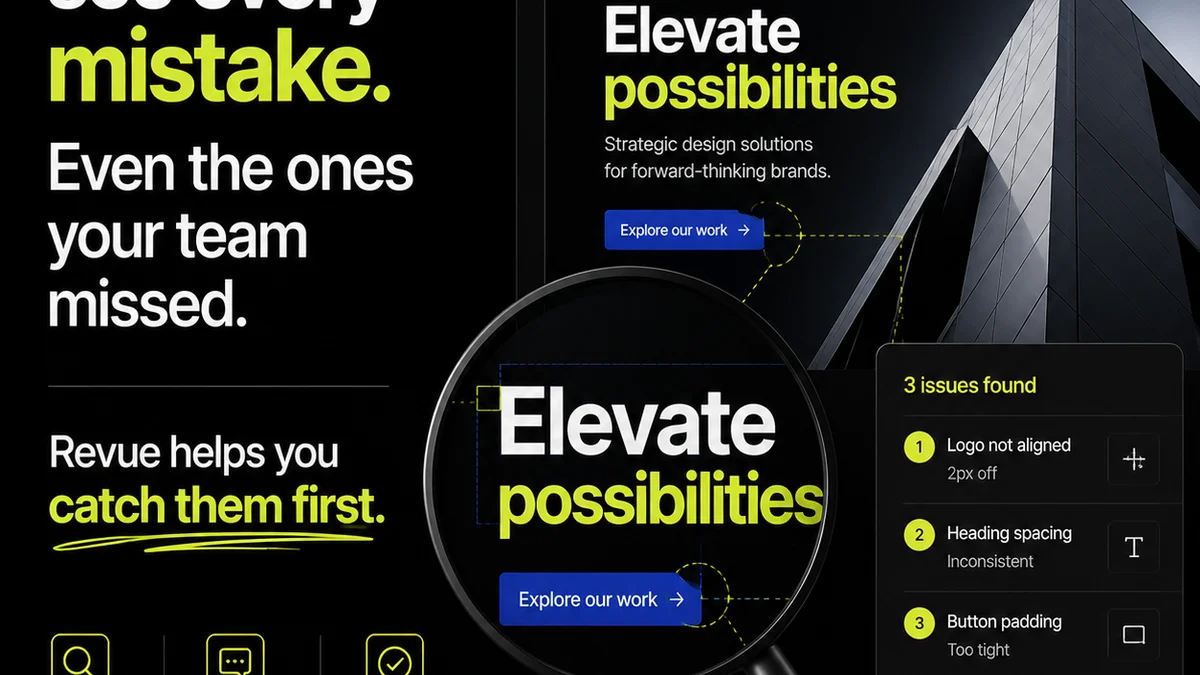
Everyone thinks brand compliance software is about logos, colors, and fonts. That it’s a digital guardrail for junior designers. None of that is wrong. But it’s incomplete.
The hard truth? Brand compliance is a symptom of deeper organizational friction. It’s about communication breakdowns, unclear ownership, and inefficient workflows. Software doesn’t magically fix those. It amplifies what’s already there.
For US teams, navigating brand consistency across multiple markets, agencies, and internal departments adds layers of complexity. You need tools that don't just police assets, but streamline the entire creative process. Let's cut through the noise.
1. The Myth of the 'Brand Police'
Many teams approach brand compliance like a security detail. They set up rigid rules and expect a tool to enforce them. This often leads to:
- Constant back-and-forth emails.
- Frustration over minor deviations.
- A bottleneck for creative output.
- A culture of fear, not collaboration.
This isn't effective brand management. It's micromanagement disguised as governance.
The Real Goal: Empowered Consistency
True brand compliance isn't about policing. It's about enabling everyone to do the right thing, easily. It requires:
- Clear, accessible brand guidelines.
- Centralized asset management.
- Streamlined feedback and approval loops.
- Tools that integrate into existing workflows.
When these elements are in place, the need for a heavy-handed 'brand police' diminishes.
2. Identifying the Root Causes of Non-Compliance
Before you even look at software, diagnose the underlying issues. Common culprits include:
Lack of Centralized Assets
When brand assets are scattered across shared drives, individual desktops, or outdated cloud storage, consistency is impossible. Version control becomes a nightmare. New team members struggle to find approved materials.
Ambiguous Approval Processes
Who signs off on creative? What's the timeline? When feedback is subjective, delayed, or comes from multiple uncoordinated sources, deviations become inevitable. This is especially true in large organizations or when working with external agencies.
Outdated or Inaccessible Guidelines
Brand guidelines that live in a PDF on a forgotten server, or are 50 pages long with legalese, are useless. They need to be living, breathing documents that are easy to find, understand, and apply.
Siloed Teams and Communication
Marketing, design, legal, and sales often operate in separate universes. Without a unified platform for communication and feedback, misinterpretations and errors are common. This is a significant challenge for US-based teams operating across different time zones and departments.
Inefficient Review Cycles
Manual review processes, endless email chains, and difficulty tracking revisions kill productivity. This pressure can lead teams to cut corners on compliance to meet deadlines.
3. Key Features of Effective Brand Compliance Software
When choosing tools, look beyond just asset storage. Focus on features that address the root causes.
Centralized Digital Asset Management (DAM)
A robust DAM is the foundation. It should allow for:
- Easy uploading and organization of all brand assets.
- Version control and history tracking.
- Metadata tagging for quick searching.
- Role-based access control to manage who can see and download what.
Brand Guidelines Hub
Your software should serve as a living repository for your brand guidelines. Look for features that enable:
- Interactive, searchable guides.
- Clear examples of do's and don'ts.
- Easy updates and distribution of new guidelines.
- Integration with asset libraries.
Streamlined Feedback and Approval Workflows
This is where many tools fall short. The best solutions offer:
- Visual annotation tools for precise feedback.
- Configurable approval chains for specific asset types or projects.
- Automated notifications for pending approvals or feedback.
- A clear audit trail of all feedback and decisions.
Usage Rights and Licensing Management
For US teams dealing with stock imagery, specific fonts, or licensed elements, tracking usage rights is critical. Software that helps manage expiration dates and licensing terms can prevent costly legal issues.
Reporting and Analytics
Understand how your brand assets are being used and where compliance issues are arising. This data is invaluable for refining processes and training.
4. Top Brand Compliance Software Considerations for US Teams
While many global platforms exist, US teams have specific needs. Consider these factors:
Scalability
Can the tool grow with your agency or in-house team? Will it handle increased asset volume and user numbers?
Integration Capabilities
Does it play well with your existing tech stack? Look for integrations with design tools (like Adobe Creative Cloud), project management software, and content management systems.
User Experience (UX)
If the tool is difficult to use, your team won't adopt it. Prioritize intuitive interfaces that require minimal training.
Support and Training
What kind of support is available, especially for US time zones? Are there comprehensive training resources?
Security and Compliance
For sensitive brand information, ensure the platform meets robust security standards. Consider data residency if that's a concern.
5. Where Revue Fits In
Brand compliance isn't just about static assets. It's about the entire creative lifecycle. Revue is built to manage that complexity.
Centralized client feedback is crucial. When feedback is organized, contextual, and tracked within a single platform, misinterpretations and off-brand deviations are drastically reduced. You gain visibility into every revision and approval, creating an undeniable audit trail.
This clarity ensures that creative work stays aligned with brand strategy from concept to final delivery. It’s not about policing, it’s about process clarity.
6. Beyond Software: Cultivating a Compliance Culture
No software can replace a strong internal culture. Technology is an enabler, not a silver bullet.
Continuous Training
Regularly train your teams on brand guidelines and the proper use of compliance tools. Make it engaging, not a chore.
Cross-Departmental Collaboration
Break down silos. Encourage open communication between creative, marketing, legal, and sales. When everyone understands the 'why' behind brand rules, adherence improves.
Feedback Loops
Create mechanisms for feedback *on* the brand guidelines themselves. Are they practical? Are they hindering creativity? Use insights from your team and compliance tools to refine.
Lead by Example
Leadership must champion brand consistency. When leaders prioritize and model compliant behavior, it sets the tone for the entire organization.
Final Thought
Is your brand compliance software helping you achieve effortless consistency, or is it just another tool adding friction to your creative process? The answer lies not just in the features, but in how well it integrates with your team's reality.
Frequently asked questions
What is brand compliance software?
Brand compliance software helps organizations maintain consistent branding across all marketing materials and communications. It typically includes features for managing brand assets, enforcing guidelines, and streamlining approval processes.
Why is brand compliance important for US teams?
For US teams, brand compliance is crucial for maintaining a unified brand image across diverse markets, agencies, and internal departments. It ensures legal adherence, protects brand reputation, and optimizes marketing effectiveness.
Can brand compliance software replace a brand manager?
No, brand compliance software is a tool to support brand management, not replace it. It automates enforcement and streamlines workflows, but strategic direction, creative oversight, and cultural integration still require human expertise.
What are the key features to look for in brand compliance software?
Key features include centralized Digital Asset Management (DAM), interactive brand guidelines, visual annotation tools, configurable approval workflows, usage rights management, and robust reporting and analytics.