Everyone talks about brand consistency. It’s the holy grail of marketing and design. You’ve probably heard that a strong brand is a consistent brand. None of that is wrong. But it’s incomplete.
The hard truth? True brand consistency isn't about having a checklist. It's about building systems and workflows that make consistency the default, not the exception.
1. The Myth of the 'Brand Police'
Many teams assume consistency is the job of a dedicated brand guardian. Someone who patrols the halls (or Slack channels) with a red pen, flagging off-brand assets. This is an outdated, inefficient model.
It creates bottlenecks. It fosters resentment. And it assumes that one person can possibly keep up with the sheer volume of creative output in a modern agency or team.
The reality is that brand consistency is everyone's job. But that only works if the tools and processes support it.
The Cost of Inconsistency
What happens when a brand isn't consistent?
- Customer confusion.
- Diluted brand recognition.
- Wasted time and resources correcting errors.
- Loss of trust and perceived professionalism.
- Damaged brand equity over time.
These aren't minor glitches. They're operational failures.
2. Operationalizing Brand Consistency
Forget the 'brand police.' Focus on embedding consistency into your workflow. This means moving from reactive policing to proactive building.
How do you do that? With clear, accessible, and actionable guidelines, coupled with smart tools.
a. The Living Style Guide
Your brand guidelines document shouldn't be a static PDF gathering dust. It needs to be a dynamic, easily searchable resource.
Think of it as the single source of truth for everything brand-related. This includes:
- Logo usage (dos and don'ts).
- Color palettes (primary, secondary, accent).
- Typography (fonts, weights, sizes, hierarchy).
- Imagery style (photography, illustration, tone).
- Voice and tone (written communication).
- Iconography.
- Layout principles.
Crucially, it needs to be easily accessible to everyone who creates or approves content. Not buried on a forgotten server.
b. Templating and Automation
Where possible, standardize. Use templates for frequently produced assets like social media posts, presentations, or reports.
This dramatically reduces the chances of deviation. It also speeds up production.
Tools that allow for automated asset generation based on predefined rules can be a game-changer. Think of generating personalized marketing emails or social ads that adhere strictly to brand parameters.
c. Feedback Loops and Training
Regular training is essential. Not just for new hires, but as refreshers for the whole team. Explain *why* certain rules exist, not just *what* they are.
Build clear feedback loops into your review process. Ensure that brand consistency is a specific point of review, not just an afterthought.
3. The Role of a Brand Consistency Checker
So, where does a dedicated 'brand consistency checker' tool fit in? It's not the solution, but it can be a powerful component of a larger system.
Think of it as an automated assistant, not the manager. A good checker helps catch obvious errors before they escalate.
What a Tool CAN Do
- Verify color codes against the approved palette.
- Check font usage against defined styles.
- Flag incorrect logo placement or size.
- Ensure adherence to basic layout rules.
- Identify missing required elements in a template.
This frees up human reviewers to focus on more nuanced aspects like creative quality, strategic alignment, and overall brand *feel*.
What a Tool CAN'T Do (Yet)
No current tool can truly replicate human judgment on brand consistency. It can't tell you if an image *feels* on-brand, even if it uses the right colors. It can't judge the nuance of a tone of voice that's *almost* right.
It can't understand the strategic context behind a creative decision. Was deviating from the standard logo size a deliberate, approved choice for a specific campaign goal?
This is why the human element remains critical. The checker is a safety net, not the safety inspector.
4. Integrating Brand Checks into Your Workflow
The most effective brand consistency checker isn't a standalone product. It's integrated directly into the tools your team uses every day.
Imagine creating a piece of content and having potential brand issues flagged in real-time, right within your design or document editor.
Key Integration Points
- Design Software: Plugins for tools like Adobe Creative Suite or Figma that check assets as they're being built.
- Content Management Systems (CMS): Checks applied before content goes live on a website.
- Document Editors: Tools that can scan Word documents or Google Docs for brand guideline adherence.
- Project Management & Feedback Platforms: Centralized review stages where automated checks can run alongside human feedback.
The goal is to catch deviations early, when they are cheapest and easiest to fix.
5. Beyond the Visuals: Tone and Voice
Brand consistency isn't just about how things look. It's also about how they sound.
This is where automated checkers struggle the most. Assessing tone, voice, and messaging requires a deep understanding of the brand's personality and its audience.
Defining Your Voice
Your style guide needs to be crystal clear on voice and tone. Is your brand:
- Formal or informal?
- Humorous or serious?
- Technical or accessible?
- Enthusiastic or reserved?
Provide examples of good and bad copy. Show, don't just tell.
Human Review for Nuance
This is a prime area for human oversight. A copywriter might need to ensure their language aligns with the brand's personality, even if it doesn't trigger any specific keyword flags.
Editors and proofreaders play a vital role here, ensuring that the written word consistently reflects the brand's identity.
Where Revue Fits In
Managing creative projects and client feedback often means juggling numerous assets, versions, and stakeholder opinions. Ensuring brand consistency across all these moving parts is a significant challenge.
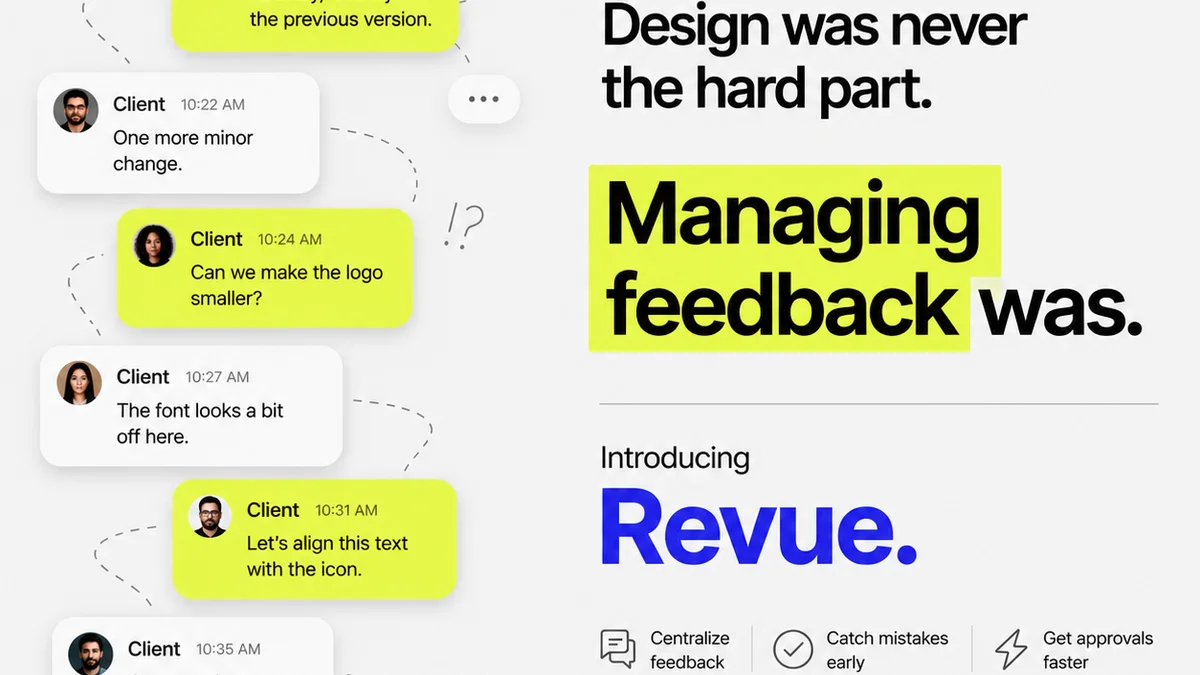
Revue helps by centralizing the entire creative review and approval process. Instead of chasing down feedback in scattered emails or chat threads, everything lives in one place.
This visibility means that brand consistency can be a deliberate part of the review stage. Stakeholders can clearly see the asset, its intended purpose, and compare it against previous versions or approved styles.
While Revue doesn't perform automated brand checks itself, it creates the structured environment where those checks, whether manual or integrated, can be most effective. It provides the workflow visibility needed to ensure that brand guidelines are not just known, but are actively applied and approved through a clear, auditable process.
6. Measuring True Consistency
How do you know if your efforts are paying off? You need to measure more than just the number of brand guideline violations caught.
Key Metrics
- Reduction in revision cycles related to brand issues.
- Time saved by reviewers no longer needing to flag basic brand errors.
- Qualitative feedback from clients and customers regarding brand perception.
- Consistency scores across different marketing channels (if measurable).
Ultimately, the goal is not to score perfectly on a checker. The goal is to build a brand that is instantly recognizable, trusted, and resonant with its audience, consistently.
Final Thought
Is your team treating brand consistency as a rigid rulebook to be enforced, or as a living framework that guides creative expression? The difference shapes everything about your workflow, your output, and your brand's long-term impact.
Frequently asked questions
What is a brand consistency checker?
A brand consistency checker is a tool or system designed to help ensure that creative assets and communications adhere to established brand guidelines. It can automate checks for elements like logo usage, color palettes, typography, and sometimes even tone of voice, flagging deviations before they reach stakeholders or the public.
Can a brand consistency checker replace human review?
No, a brand consistency checker cannot fully replace human review. While it's excellent at catching objective, rule-based errors (like incorrect hex codes or font names), it lacks the nuanced judgment needed to assess creative quality, strategic alignment, or the overall 'feel' of a brand's communication. Human oversight remains crucial for subjective elements and strategic decision-making.
How can I improve brand consistency in my agency?
Improve brand consistency by creating a dynamic, accessible brand style guide; using templates and automation where possible; providing regular team training; integrating consistency checks into your review workflow; and ensuring clear feedback loops. Focus on building systems that make consistency the default, rather than relying on individual policing.
What are the key elements of brand consistency?
Key elements include visual consistency (logo, colors, typography, imagery, layout) and verbal consistency (tone of voice, messaging, terminology). Both are vital for building a strong, recognizable, and trustworthy brand identity.