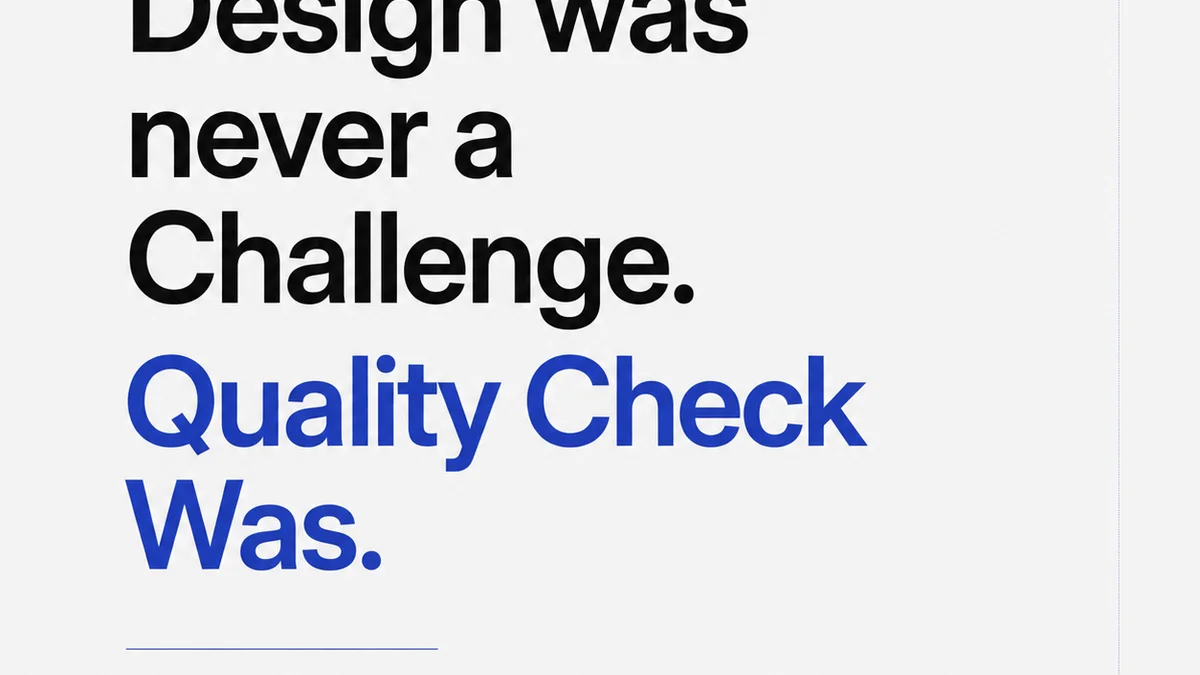
Everyone thinks brand consistency is about slapping the logo on everything and using the right shade of blue. That’s the easy part. It’s the surface.
The real challenge? Making sure that blue, that logo, and everything else that defines your brand, shows up consistently across every single client touchpoint, every project, every revision. This isn’t about aesthetics; it’s about operational rigor.
1. The Single Source of Truth: Brand Guidelines Evolved
Your brand guidelines document is the bedrock. But a static PDF gathering digital dust is useless. True consistency demands that your guidelines are living, breathing, and easily accessible.
From Static Document to Dynamic Resource
Think beyond the old-school brand book. Your guidelines need to be a practical, searchable resource for your team and clients.
- Visual Identity: Logo usage, color palettes (primary, secondary, accent), typography (fonts, weights, hierarchy), iconography, imagery style.
- Voice and Tone: How your brand speaks. Formal? Casual? Witty? Empathetic? Provide clear examples.
- Messaging Pillars: Core messages that should be communicated consistently.
- Application Examples: Show, don’t just tell. Mockups of how the brand appears on websites, social media, presentations, merchandise, etc.
This isn't just for designers. Marketers, copywriters, account managers, even sales teams need to understand and apply these rules.
The Accessibility Trap
Where do your guidelines live? If they’re buried in a shared drive or only known to a few senior people, they’re not being used effectively. Centralization is key.
2. Workflow Integration: Embedding Consistency
Brand consistency doesn’t happen by accident. It needs to be baked into your daily workflows. This means making it easy for your team to do the right thing, and hard to do the wrong thing.
Onboarding and Training
New hires need to get up to speed fast. Don't assume they'll read the guidelines. Integrate brand training into your onboarding process. Make it interactive.
Project Kickoffs
Every project, big or small, needs to start with a clear understanding of the brand requirements. Reference the guidelines from day one.
Creative Briefs
Ensure your creative briefs explicitly call out brand considerations. What are the non-negotiables for this specific project?
Internal Reviews
Establish a process for reviewing creative work against brand standards *before* it goes to the client. This catches deviations early.
Client Feedback Loops
This is where things get tricky. Clients, bless their hearts, often don’t have your brand expertise. How do you manage their feedback without compromising consistency?
This requires clear communication and a robust system for managing feedback and revisions.
3. The Feedback Gauntlet: Maintaining Brand Integrity
Client feedback is essential. But it can also be the biggest threat to brand consistency. A single, off-brand suggestion from a client, if implemented without thought, can derail everything.
Educating the Client
Sometimes, clients simply don't realize a request goes against the brand. It’s your job to gently guide them. Reference the established guidelines. Explain *why* something is off-brand.
Structured Feedback Channels
Allowing feedback via email chains, Slack messages, and random text files creates chaos. You need a single, structured place for all client feedback.
This ensures nothing gets lost and every comment is tied to a specific asset and version.
Revision Tracking and Approval
How do you track changes and ensure the final approved version is actually on-brand? This is critical.
- Version Control: Clearly label each iteration of creative work.
- Annotated Feedback: Clients should be able to mark up designs directly, providing context.
- Clear Approval Workflow: A definitive sign-off process that confirms the work meets all requirements, including brand.
Without this, you’re leaving brand consistency to chance and hoping for the best.
4. Quality Assurance: The Final Gate
Before any piece of creative work goes live, it needs a final check. This is the last line of defense for brand consistency.
The QA Checklist
Develop a comprehensive Quality Assurance checklist that includes brand-specific items.
- Does it use the correct logo?
- Are the colors within the approved palette?
- Is the typography correct and legible?
- Does the tone of voice align with brand messaging?
- Are all legal disclaimers and required elements present and correct?
This isn't just for the final output. QA should be part of the process at multiple stages.
Cross-Functional Review
Don't rely solely on the design team for QA. Have someone from marketing, or even account management, give the final sign-off. A fresh pair of eyes can catch brand inconsistencies.
5. Where Revue Fits In
Managing brand consistency across multiple clients, projects, and team members is a complex operational challenge. This is where a centralized feedback and approval platform like Revue becomes invaluable.
Revue provides a single source of truth for creative assets and client feedback. It streamlines the entire review and approval process, ensuring that brand guidelines are not just documented, but actively adhered to.
- Centralized Feedback: All comments and annotations are tied directly to the creative asset, eliminating scattered feedback from emails and chats. This context helps maintain brand integrity.
- Version Control: Easily track revisions, compare versions, and ensure the latest approved iteration is always the one being worked on, preserving brand consistency.
- Clear Approval Workflows: Define and manage the sign-off process, ensuring that brand standards are met before final delivery. This reduces the risk of off-brand assets going live.
- Visibility: Provides a clear audit trail of feedback, changes, and approvals, which is crucial for accountability and maintaining long-term brand consistency.
By integrating Revue into your workflow, you move from hoping for brand consistency to systematically ensuring it.
Final Thought
Brand consistency isn't a creative luxury; it's a fundamental business requirement. It builds trust, recognition, and loyalty. But achieving it requires more than just a pretty style guide. It demands operational discipline, integrated workflows, and the right tools to manage the complex dance between creative vision and client collaboration.
Are you building a brand, or just a collection of pretty assets?
Frequently asked questions
What is the most common mistake agencies make with brand consistency?
Treating brand guidelines as a static document. They often become outdated or aren't easily accessible, leading to inconsistent application across projects and teams.
How can I ensure clients don't derail brand consistency with their feedback?
Educate clients on your brand guidelines upfront. Use a structured feedback system that allows for clear communication and reference to established rules. Gently guide them by explaining the 'why' behind brand decisions.
Is brand consistency only for visual elements like logos and colors?
No, brand consistency extends far beyond visuals. It encompasses voice and tone, messaging pillars, customer service interactions, and the overall experience a client has with your agency or company.
How does a tool like Revue help with brand consistency?
Revue centralizes assets and feedback, provides clear version control, and streamlines approval workflows. This operational structure makes it easier to enforce brand guidelines consistently throughout the creative process.