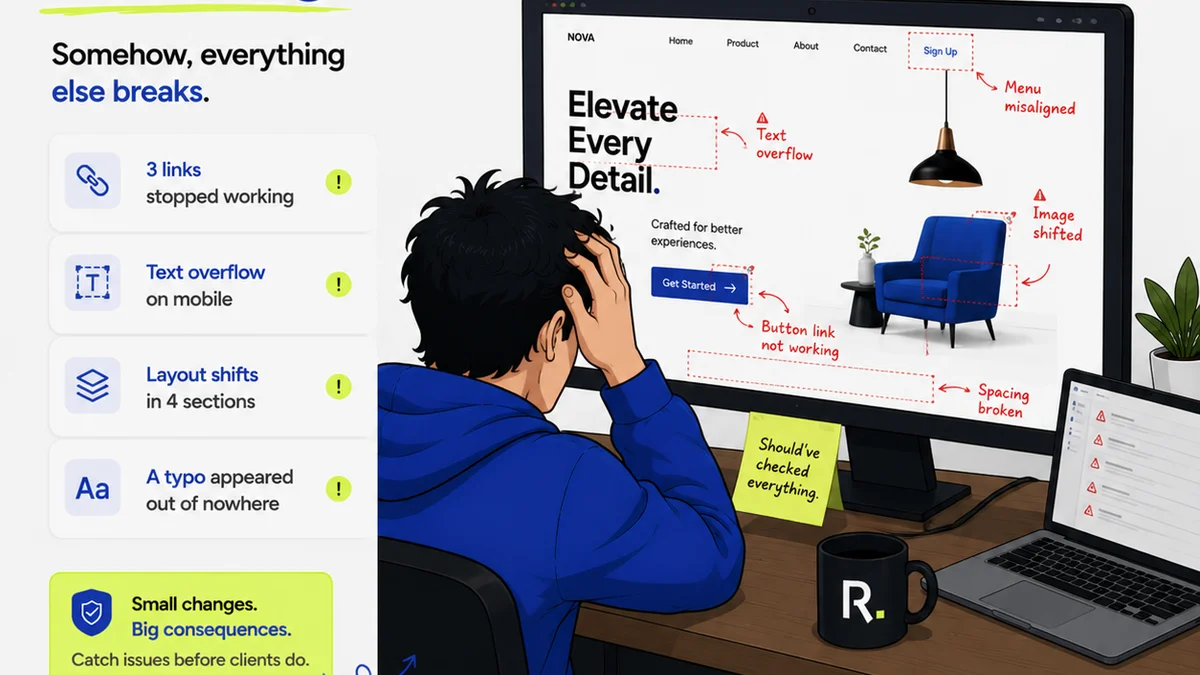
Everyone knows brand consistency is crucial. You’ve got brand guides, style sheets, and maybe even a dedicated brand manager. That’s the textbook answer.
None of that is wrong. But it’s incomplete.
The hard truth? True brand consistency isn't about having the right documents; it's about embedding the right processes into your agency’s daily operations. It’s about making sure every single deliverable, from the first concept sketch to the final pixel, feels like it came from the same source, with the same intent.
1. Standardizing Client Briefing & Discovery
Consistency starts before the first creative asset is even conceived. If the initial understanding of the brand is shaky, everything that follows will be too.
The Assumption: Clients Give Us Good Briefs
Some do. Many don’t. Or they give briefs that are contradictory, vague, or simply miss the strategic nuances that drive brand decisions.
The Hard Truth: You Need a Standardized Intake Process
Don’t wait for the perfect brief. Develop a repeatable intake process that forces clarity. This means:
- A mandatory, structured client questionnaire that probes deeper than surface-level requests. Think about brand archetypes, core values, audience psychographics, and competitive landscape.
- A dedicated discovery workshop with key client stakeholders to align on objectives, target audience, and brand voice before any creative work begins.
- A documented summary of key brand parameters (e.g., brand personality, tone of voice, key messaging pillars, visual non-negotiables) signed off by the client. This becomes your single source of truth for the project.
This isn’t about being difficult; it’s about setting the stage for success. It ensures everyone, agency-side and client-side, is aligned on what the brand *is* before you start building it.
2. Centralizing Brand Assets & Guidelines
Scattered files and outdated guidelines are consistency killers. If your team can’t easily find the right logo, the correct color palette, or the latest approved font, they’ll use what’s closest. And that’s a problem.
The Assumption: Everyone Knows Where to Find Brand Assets
In a busy agency, “everyone” often means “whoever last downloaded it and put it on their desktop.” This leads to version control nightmares.
The Hard Truth: You Need a Single, Accessible Source of Truth
This means:
- A centralized digital asset management (DAM) system or a clearly defined, organized cloud storage structure (e.g., Google Drive, Dropbox, SharePoint) that everyone on the team can access.
- Guidelines that are not just a PDF, but a living document, easily searchable and perhaps even integrated into design tools. Think of resources like Google’s Material Design guidelines or Apple’s Human Interface Guidelines as examples of comprehensive, accessible documentation.
- Regular audits of brand assets to remove outdated versions and add new approved assets.
- Clear naming conventions for all files to prevent duplicates and confusion.
When the correct assets and guidelines are readily available and clearly marked, the default action becomes using the right thing, not just the easiest thing.
3. Implementing a Standardized Feedback & Approval Workflow
This is where most agencies stumble. Feedback often comes through email chains, Slack messages, or even verbal comments, creating a chaotic, inconsistent review process.
The Assumption: Client Feedback is Usually Clear
Client feedback is rarely as precise as we’d like. It’s often subjective, conflicting, or lacks the context needed for effective revisions. Without structure, these ambiguities erode brand consistency.
The Hard Truth: You Need a Structured Feedback Loop
This requires:
- Using a dedicated platform for collecting and managing client feedback. This ensures all comments are logged, attributed, and tied to specific project elements.
- Defining clear roles and responsibilities for feedback providers on the client side. Who is the ultimate approver? Who can provide input?
- Establishing a process for consolidating and interpreting feedback internally before presenting it to the creative team. Not all feedback needs to be actioned literally.
- Implementing clear revision stages with defined deliverables and expectations for each.
- Ensuring final approvals are documented and easily retrievable.
A structured workflow prevents misinterpretations and ensures that revisions are made based on strategic brand objectives, not just a collection of disparate comments.
4. Building Brand Knowledge into Your Team
Your team is the engine of brand consistency. If they don’t deeply understand the brand’s nuances, guidelines are just suggestions.
The Assumption: Designers Understand the Brand After Reading the Guide
Reading a PDF is passive. True understanding comes from engagement and application.
The Hard Truth: You Need Ongoing Brand Education
This means:
- Regular internal brand training sessions, especially for new hires.
- Case studies and examples of successful (and unsuccessful) brand applications within the agency.
- Encouraging designers and strategists to actively question creative decisions against brand objectives.
- Creating internal “brand champions” who can mentor others.
- Integrating brand context into project kick-offs and debriefs.
When your team lives and breathes the brand, consistency becomes an intuitive part of their creative process, not an afterthought.
5. Automating Quality Assurance & Brand Checks
The final step before delivery is crucial. Relying solely on human eyes at the end of a project is risky. Fatigue, oversight, and missed details are inevitable.
The Assumption: A Final Review Catches Everything
A final review is essential, but it’s often the last line of defense against subtle brand drift. It’s hard to catch everything when deadlines loom.
The Hard Truth: You Need Automated Checks Where Possible
This involves:
- Developing checklists for common brand elements (e.g., logo usage, color palette adherence, typography, tone of voice).
- Utilizing design software plugins or scripts that can flag inconsistencies (e.g., incorrect color modes, missing bleed, wrong font weights).
- Implementing a peer review process for key deliverables before client submission.
- Leveraging technology to enforce brand standards automatically, where feasible. For web accessibility, adherence to standards like WCAG is critical and can often be checked programmatically.
These checks act as a safety net, catching errors that might otherwise slip through and compromise brand integrity.
Where Revue Fits In
You might think of brand consistency as purely a creative or strategic challenge. But it’s fundamentally an operational one. It hinges on clear communication, organized workflows, and visible processes.
This is precisely where a tool like Revue can make a tangible difference. By centralizing client feedback, you eliminate scattered comments across emails and Slack. Revision history provides clear visibility into how decisions were made and approved, preventing backsliding. Quality checks become more effective when you have a single source of truth for feedback and approvals, ensuring that the final output truly aligns with the brand strategy discussed at the outset.
It helps bridge the gap between the brand guide and the final deliverable, making operational consistency a reality.
Final Thought
Brand consistency isn't a destination; it's a continuous practice. It requires more than just pretty guidelines. It demands a commitment to robust, repeatable processes that permeate every stage of your agency’s workflow.
Are your operational processes actively building brand consistency, or are they inadvertently undermining it?
Frequently asked questions
What is the most common mistake agencies make regarding brand consistency?
The most common mistake is relying solely on brand guidelines documents without embedding consistent processes for briefing, feedback, and asset management. This leads to inconsistent application of the brand across projects.
How can a creative agency ensure new team members adopt brand standards quickly?
Implement comprehensive onboarding that includes dedicated brand training sessions, access to a centralized asset library, and clear examples of brand application. Assigning mentors or brand champions can also accelerate understanding.
Can technology truly help maintain brand consistency?
Yes, technology plays a crucial role. Tools for digital asset management (DAM), project management, and centralized feedback platforms (like Revue) help standardize workflows, ensure access to correct assets, and provide clear audit trails for approvals, all of which are vital for consistency.
What's the difference between brand guidelines and brand consistency?
Brand guidelines are the rulebook that defines how a brand should look and feel. Brand consistency is the actual, observable result of those guidelines being applied correctly and uniformly across all touchpoints and over time. Consistency is the outcome; guidelines are a tool to achieve it.