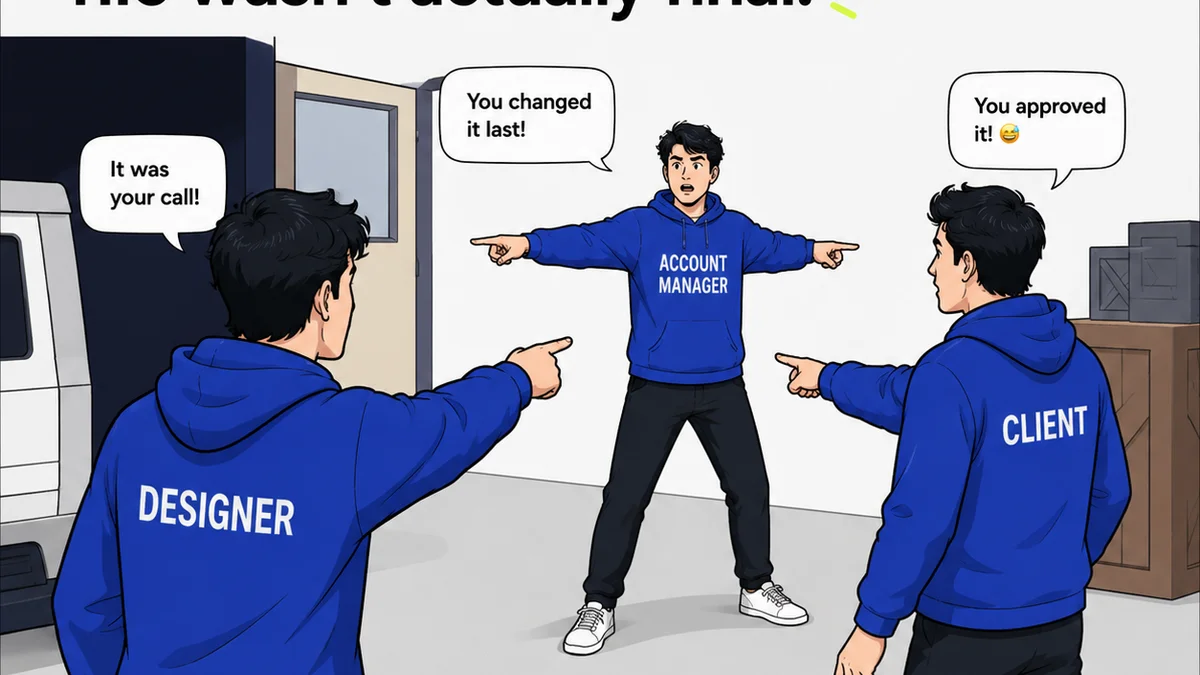
Everyone talks about brand consistency. They say it’s about using the right logo, the right colors, the right fonts. That’s all true. But it’s not the whole story.
The real work of brand consistency happens in the messy middle of creative production. It’s about process, not just pixels.
1. Consistency Starts With Clarity
Before you can be consistent, you need to know *what* you’re being consistent with. This isn’t just a brand guide document stuffed in a shared drive.
It’s about crystallizing the core elements of the brand experience. What does this brand feel like? What’s its unique voice? What are its non-negotiables?
Defining the Brand Pillars
- Visual Identity: Logo, color palette, typography, imagery style, iconography.
- Tone of Voice: Formal, casual, witty, serious, empathetic?
- Messaging Framework: Key value propositions, elevator pitch, core narratives.
- User Experience (UX): How does the brand translate into digital interactions? Is it intuitive? Delightful?
- Customer Service: How do interactions with support or sales reflect the brand?
Most teams skip this deep definition. They grab a PDF and start designing. That’s a shortcut to inconsistency.
Without a shared, crystal-clear understanding of these pillars, everyone makes assumptions. Assumptions are the enemy of consistency.
2. The Operational Engine of Consistency
Brand consistency isn't a magical outcome. It's the result of deliberate operational choices.
It’s built into the workflow, not bolted on afterward.
Process Over Perception
Think about the typical creative request. A brief lands, designers jump in, maybe a copywriter gets involved. Then comes feedback. And more feedback.
Where do brand guidelines get referenced in this chaos?
Often, they’re an afterthought. A quick check before final delivery, if that.
This reactive approach breeds inconsistency. You’re firefighting deviations instead of preventing them.
Systematizing Brand Adherence
- Centralized Asset Management: A single source of truth for logos, templates, and brand assets. No more hunting for the latest version.
- Templated Workflows: Standardizing how projects move from brief to final delivery.
- Embedded Brand Checks: Integrating brand adherence into each stage, not just at the end. This means reviewing copy against the tone of voice, checking visuals against the style guide, and ensuring UX aligns with brand principles.
- Cross-Functional Alignment: Ensuring marketing, sales, product, and creative are all speaking the same brand language.
When consistency is baked into the process, it becomes less of a burden and more of a natural outcome.
3. Feedback Loops: The Consistency Crucible
Client feedback is essential. But it can also be a major source of brand drift.
A client might love a concept that’s slightly off-brand. Pushing back requires confidence and a clear rationale.
If your rationale is just “the brand guide says so,” it’s weak.
If your rationale is tied to the defined brand pillars and how this specific deviation impacts the overall brand experience, it’s strong.
Navigating Feedback for Consistency
- Structured Feedback: Moving beyond vague comments like “I don’t like it” to specific, actionable feedback tied to project goals and brand objectives.
- Clear Approval Chains: Knowing who has the final say on brand-related decisions.
- Version Control: Tracking revisions and understanding how changes impact the original brand intent.
- Educating Stakeholders: Helping clients and internal teams understand *why* certain decisions are made in service of brand consistency.
Unmanaged feedback is a fast track to a diluted brand. Managed feedback reinforces it.
4. The Technology of Brand Guardianship
You can’t rely on memory or individual vigilance alone. Especially with growing teams and more complex projects.
Technology plays a crucial role in scaling brand consistency.
Tools for the Trade
- Digital Asset Management (DAM) Systems: For organizing and distributing brand assets.
- Project Management Software: To track workflows and ensure brand checkpoints are met.
- Collaboration Platforms: For centralized communication and feedback, ensuring everyone is on the same page.
- Brand Compliance Tools: Specialized software that can automatically check assets against brand guidelines.
These tools aren't a replacement for strategy or human oversight. They are force multipliers.
They automate the tedious parts of brand guardianship, freeing up your team to focus on the creative strategy.
Where Revue Fits In
Maintaining brand consistency across multiple projects, clients, and team members is a constant challenge. This is where a centralized feedback and revision platform like Revue becomes invaluable.
Imagine this: All client feedback, stakeholder approvals, and revision history are in one place. No more digging through endless email chains or scattered Slack messages.
When a design is ready for review, you can upload it directly into Revue. Stakeholders can leave precise, contextual comments directly on the asset. This ensures feedback is specific and actionable, reducing ambiguity that can lead to brand drift.
The clear audit trail of approvals and revisions means you can always see how a piece evolved and why certain decisions were made. This visibility is key to maintaining brand integrity, especially when multiple people are involved in the process.
Furthermore, by having a documented history of feedback and approvals, you can easily train new team members on brand standards and reference past decisions to reinforce consistency on future projects. Revue helps turn the nebulous goal of brand consistency into a manageable, trackable process.
Final Thought
Brand consistency isn't a passive state. It's an active, ongoing effort driven by clear strategy, robust processes, and the right tools.
Are you treating brand consistency as a final coat of paint, or is it the foundation of your creative operations?
Frequently asked questions
What is the most common mistake agencies make with brand consistency?
The most common mistake is treating brand consistency as a purely visual or aesthetic concern, focusing only on logos, colors, and fonts. This overlooks the crucial operational aspects: defining clear brand pillars, embedding brand adherence into workflows, and managing feedback effectively. True consistency is built into the process, not just applied at the end.
How can a team ensure brand consistency with remote or hybrid work?
Remote and hybrid teams require even more deliberate systems. Centralized asset management, clear digital workflows, standardized communication protocols for feedback, and using collaborative tools like Revue become essential. Regular training and reinforcement of brand guidelines are also critical to keep everyone aligned.
How do you balance client feedback with maintaining brand consistency?
The key is structured feedback and a strong rationale. Instead of accepting vague requests, guide clients to provide feedback tied to project goals and brand objectives. Use your defined brand pillars as a reference point. Educate clients on why certain decisions uphold the brand experience, turning feedback into a collaborative reinforcement of consistency rather than a compromise.
Can technology truly improve brand consistency?
Yes, technology can significantly enhance brand consistency by acting as a force multiplier. Tools like Digital Asset Management (DAM) systems, project management software, and centralized feedback platforms (like Revue) automate tasks, provide visibility, and ensure a single source of truth for assets and approvals. They help scale consistency efforts, especially for larger teams or multiple clients.