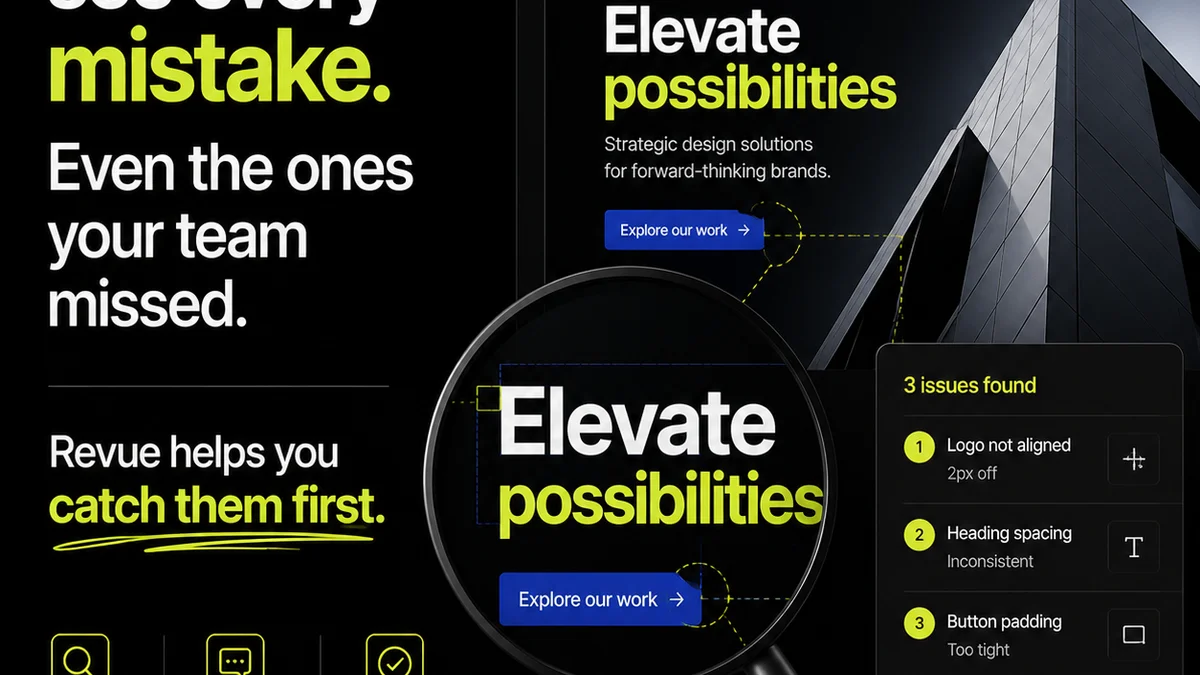
Everyone talks about brand consistency. They say it’s about having a style guide, using the right logos, and sticking to brand colors. None of that is wrong. But it’s incomplete.
The hard truth? Brand consistency isn't a deliverable; it’s an operational outcome. It’s the direct result of a well-oiled workflow. If your workflow is broken, your consistency will be too, no matter how many PDFs you hand out.
1. The Illusion of the Style Guide
The brand style guide. The sacred text. The single source of truth. We all have one, or we should. It dictates fonts, colors, tone of voice, logo usage, and more.
But a style guide is only as good as its implementation. And implementation happens in the trenches: in design tools, in copy documents, in video editing suites.
Here’s the real problem:
- Style guides are static documents.
- Workflows are dynamic, messy, and human.
- Bridging that gap requires more than just a PDF.
Most teams treat the style guide as the endpoint, not the starting point. They create it, distribute it, and assume compliance. Then they wonder why a junior designer used the wrong shade of blue or why the copywriter went off-brand.
The Operational Reality
Brand managers are often tasked with enforcing consistency. They spend their days chasing down rogue assets, sending reminder emails, and correcting mistakes. It’s a reactive, draining cycle.
This isn't a failure of the brand manager. It's a failure of the system.
The system should make consistency easy, not require constant policing. It should embed brand rules into the actual work process.
2. Deconstructing the Workflow Breakdown
Where does brand consistency typically break down? It’s rarely a malicious act. It’s usually a consequence of friction and confusion.
Think about the typical creative project lifecycle:
- Briefing
- Concepting
- Design/Copywriting
- Internal Review
- Client Feedback
- Revisions
- Final Approval
- Deployment
Each step is an opportunity for drift. A missed detail in the brief. A subjective interpretation of feedback. A hurried revision. An unverified final output.
Common Pain Points
- Ambiguous Briefs: If the brief isn’t clear on brand requirements, the execution won’t be either.
- Scattered Feedback: Emails, Slack messages, annotated PDFs, verbal comments – all creating confusion and missed details.
- Version Control Nightmares: Which is the latest version? Which version did the client actually approve?
- Lack of Visibility: Who is responsible for what? What’s the status of each revision? Is brand compliance being checked at each stage?
- Siloed Tools: Designers use Figma, copywriters use Google Docs, project managers use Asana. Information gets lost in translation.
These aren't isolated incidents. They are symptoms of an underlying workflow problem. A problem that makes brand consistency an uphill battle.
3. Building Consistency Into the Process
Improving brand consistency requires moving beyond the style guide and focusing on the workflow itself. How can you make adherence to brand standards the path of least resistance?
Embed Brand Assets
Don't make your team hunt for the correct logo or color hex codes. Integrate them directly into the tools they use.
- Design Systems: Tools like Figma allow for centralized component libraries and style tokens that designers can pull from directly.
- Templates: Pre-built templates for presentations, social media, or documents ensure correct layouts and typography from the start.
- Content Management Systems (CMS): Ensure brand guidelines are baked into the available text styles and media options.
Standardize Feedback Loops
This is critical. Unstructured feedback is a consistency killer. Implement a system that captures feedback clearly and links it to specific assets.
- Centralized Platform: Use a tool where all feedback resides. No more digging through email chains.
- Contextual Annotations: Feedback should be tied directly to the element it refers to. Visual markup is key.
- Clear Action Items: Feedback needs to be actionable, not just a vague comment.
Automate Checks Where Possible
Human review is essential, but it’s prone to error, especially at scale. Look for opportunities to automate.
- Linting Tools: For code, tools can automatically check for style guide violations.
- Automated QA: Basic checks for image resolution, color profiles, or text length can catch simple errors.
- AI Assistance: Emerging tools can flag tonal inconsistencies or suggest brand-aligned copy.
Define Clear Roles and Responsibilities
Who owns brand consistency at each stage? Is it the designer? The copywriter? The project manager? The brand manager?
Typically, it’s a shared responsibility, but the ownership of *enforcement* and *verification* needs to be crystal clear. Without this, tasks fall through the cracks.
4. Where Revue Fits In
Managing brand consistency across multiple projects, teams, and clients is a significant operational challenge. It requires visibility, control, and clear communication.
Revue is built to address these core workflow issues.
- Centralized Feedback: All client and stakeholder feedback is captured in one place, directly on the creative asset. This eliminates confusion from scattered emails and Slack messages.
- Revision and Approval Tracking: Every version, every comment, every approval is logged. This provides an irrefutable audit trail and ensures everyone is working from the latest, approved iteration.
- Quality Assurance Visibility: By having a clear process for feedback and revisions, you can build in quality checks at key stages, ensuring brand guidelines are met before final delivery.
When feedback is structured, revisions are tracked, and approvals are clear, the operational friction that leads to inconsistency is dramatically reduced. This frees up brand managers and creative teams to focus on creating great work, rather than chasing down errors.
5. Final Thought
Brand consistency isn't a passive state; it's an active achievement. It’s not about having the best style guide; it’s about having the best workflow.
Are you building a system that supports consistency, or are you relying on sheer willpower and endless emails? The answer defines your brand's ability to present a unified front.
Frequently asked questions
What is the biggest misconception about brand consistency?
The biggest misconception is that brand consistency is primarily achieved through a style guide. While essential, a style guide is only a reference. True consistency comes from embedding brand standards into the actual workflow and processes used daily.
How does scattered feedback harm brand consistency?
Scattered feedback across emails, chat, and various documents leads to missed instructions, subjective interpretations, and version control issues. This ambiguity makes it difficult for creative teams to adhere to brand guidelines consistently across revisions.
What are practical ways to embed brand assets into a workflow?
Practical methods include utilizing design system libraries in tools like Figma, creating pre-branded templates for common deliverables, and configuring content management systems with approved styles and assets.
Who is typically responsible for brand consistency?
Brand consistency is often a shared responsibility. However, clarity is needed on who owns enforcement and verification at each stage of the workflow, from briefing to final approval. This could involve brand managers, creative directors, or project managers.