Everyone thinks brand guidelines are about logos, colors, and fonts. That they’re for designers and marketers, ensuring visual consistency. None of that is wrong. But it’s incomplete.
The hard truth? In today’s interconnected world, your brand guidelines are a critical component of your cybersecurity strategy. They dictate how information is handled, how communication happens, and how your digital presence is secured. Ignoring this crucial link leaves your brand vulnerable.
1. The Digital Identity Shield: Beyond Visuals
Think of your brand guidelines as the DNA of your organization’s digital identity. They define not just what your brand looks like, but how it behaves online. This behavioral aspect is where cybersecurity truly begins.
When guidelines are vague about digital protocols, they create blind spots. These blind spots are entry points for attackers. A clear, comprehensive set of rules is your first line of defense.
1.1 Defining Approved Digital Channels
Which platforms are authorized for client communication? Which social media accounts represent the official brand voice? Are there specific tools approved for file sharing?
Without explicit guidelines, employees might default to less secure or unauthorized channels. This can lead to data breaches, phishing attacks, and reputational damage.
- List all sanctioned communication tools.
- Specify approved social media management platforms.
- Outline protocols for internal and external file sharing.
- Mandate the use of company-provided or approved devices for sensitive work.
1.2 Content and Communication Protocols
How should sensitive information be communicated? What language is acceptable when discussing confidential projects? How are client credentials handled?
These aren't just communication best practices; they are cybersecurity mandates. Misinformation, accidental disclosure, or poor handling of sensitive data can have severe consequences.
- Establish clear rules for handling Personally Identifiable Information (PII).
- Define protocols for sharing project details externally.
- Mandate encryption for sensitive email communications.
- Outline procedures for responding to suspicious inquiries.
2. Protecting Your Digital Assets: Access and Authentication
Your brand assets – logos, templates, imagery – are valuable. Protecting them requires more than just a password on a shared drive. Your brand guidelines must address access control and authentication protocols.
This means defining who can access what, and how they prove their identity. It’s about preventing unauthorized use and modification of your core brand elements.
2.1 Access Control for Brand Assets
Who has permission to download the latest logo files? Who can edit brand templates? Who manages the master brand asset library?
Granular access control prevents accidental or malicious alteration of your brand. It ensures that only authorized personnel can access and distribute official brand materials.
- Implement role-based access to digital asset management (DAM) systems.
- Regularly audit user permissions.
- Define clear procedures for revoking access for departing employees.
2.2 Authentication and Password Policies
While often considered IT’s domain, brand guidelines can reinforce strong authentication practices. This includes password complexity, multi-factor authentication (MFA), and secure storage of credentials.
A weak password on a shared design account can compromise your entire brand library. Guidelines should make this clear.
- Mandate strong, unique passwords for all brand-related accounts.
- Require MFA for access to critical brand asset repositories.
- Educate teams on the risks of password reuse and phishing.
3. Employee Onboarding and Training: The Human Firewall
The biggest cybersecurity risk isn't a sophisticated hack; it's often a well-meaning employee making a mistake. Your brand guidelines are a prime tool for onboarding and ongoing training regarding digital security.
By integrating cybersecurity protocols into your brand guidelines, you make them part of the everyday workflow, not just an IT policy document.
3.1 Integrating Security into Onboarding
New hires need to understand the brand’s digital behavior from day one. This includes how to handle client data, communicate securely, and protect brand assets.
Your brand guidelines should be a core part of their initial training. This sets the expectation for secure practices.
- Include a dedicated section on digital security in onboarding materials.
- Require new employees to acknowledge and understand security protocols.
- Assign a buddy or mentor to reinforce secure practices.
3.2 Continuous Training and Awareness
Cyber threats evolve. Your team’s awareness must evolve too. Regular training sessions, reinforced by your brand guidelines, are essential.
These sessions should cover phishing, social engineering, malware, and secure use of digital tools. Make it practical and relevant to their daily tasks.
- Schedule quarterly cybersecurity awareness training.
- Use phishing simulations to test and reinforce learning.
- Communicate updates to security protocols via brand communication channels.
4. Incident Response: When Things Go Wrong
Even with the best precautions, incidents can happen. Your brand guidelines should include a clear protocol for reporting and responding to security incidents that affect the brand.
This isn't just about technical recovery; it's about managing the brand's reputation during a crisis.
4.1 Reporting Suspicious Activity
What should an employee do if they receive a suspicious email? Who do they report a potential data leak to? Clarity here is paramount.
A clear, simple reporting mechanism encourages prompt action, minimizing potential damage.
- Designate a specific point of contact for security incident reporting.
- Provide easy-to-follow steps for reporting any suspected breach.
- Emphasize a no-blame culture for reporting genuine concerns.
4.2 Communication During a Crisis
If a breach occurs, how will the brand communicate with clients, stakeholders, and the public? Your brand guidelines should outline the communication strategy.
This includes who speaks, what they say, and through which channels. Consistent, transparent communication builds trust even in difficult times.
- Define pre-approved messaging templates for common incident types.
- Identify authorized spokespeople for crisis communications.
- Specify the channels for official brand communications during an incident.
5. Where Revue Fits In
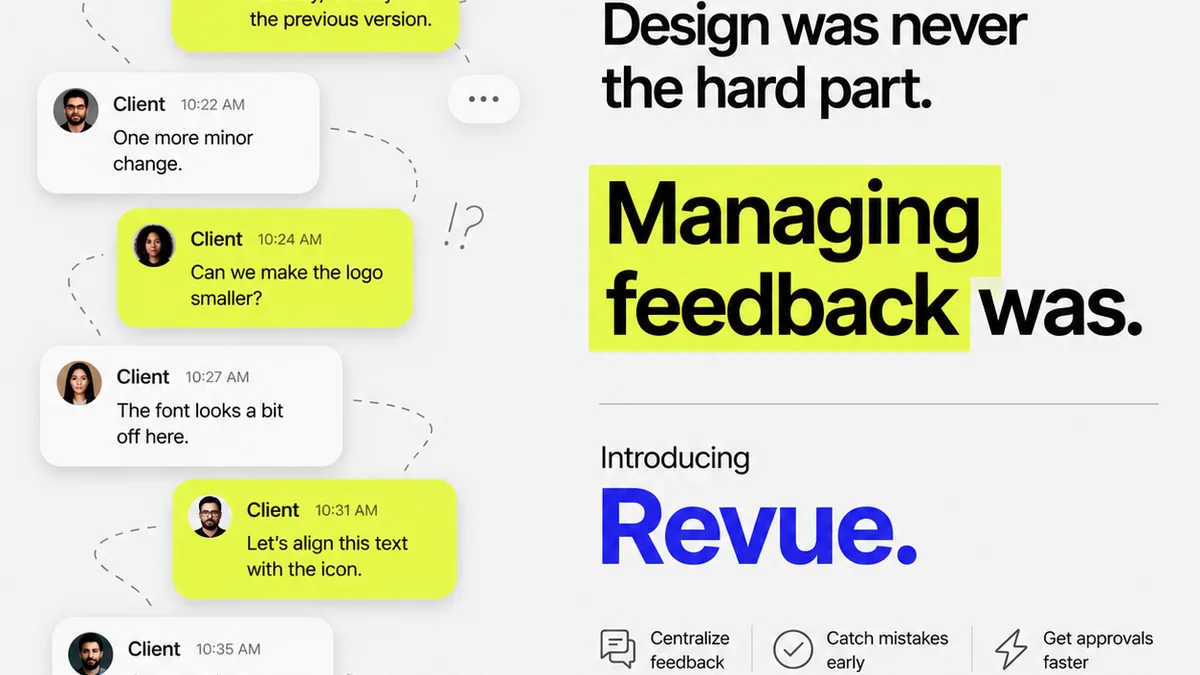
Managing brand guidelines, especially those with a cybersecurity component, can become complex. This is where a centralized platform like Revue becomes invaluable.
Revue helps ensure that all stakeholders are working with the latest, approved brand assets and adhering to communication protocols. It centralizes feedback, making it clear what revisions are approved and preventing unauthorized changes.
Visibility into the revision and approval process means everyone is on the same page. This reduces the risk of using outdated or unapproved materials that might not meet security standards.
By providing a single source of truth for creative assets and project approvals, Revue supports the operationalization of your brand guidelines, including their cybersecurity aspects. It streamlines workflows, ensuring consistency and control.
6. Final Thought
Is your brand's visual identity truly separate from its digital security? Or is it an integrated system where one reinforces the other?
The most resilient brands understand that consistency, clarity, and control – the hallmarks of good brand management – are also the cornerstones of robust cybersecurity. It’s time to treat your brand guidelines as the powerful security tool they are.
Frequently asked questions
How can brand guidelines improve cybersecurity?
Brand guidelines can improve cybersecurity by defining approved digital channels, communication protocols, access controls for brand assets, and authentication policies. They also serve as a crucial tool for onboarding and training employees on secure digital practices, effectively creating a 'human firewall'.
What is the role of brand guidelines in protecting digital assets?
Brand guidelines protect digital assets by specifying who has access to them, how they can be used, and how they should be stored. This includes defining access control for asset libraries and mandating strong authentication methods like MFA for critical accounts, preventing unauthorized access or modification.
How should brand guidelines address employee training for cybersecurity?
Brand guidelines should integrate cybersecurity protocols into onboarding and continuous training. This means clearly outlining secure communication methods, data handling procedures, and how to identify and report threats, making security a part of the daily brand workflow.
What communication protocols should be included in brand guidelines for cybersecurity?
Communication protocols in brand guidelines should cover how to handle sensitive information, which channels are approved for client and internal communication, and how to respond to suspicious inquiries. They should also outline a crisis communication strategy for security incidents.