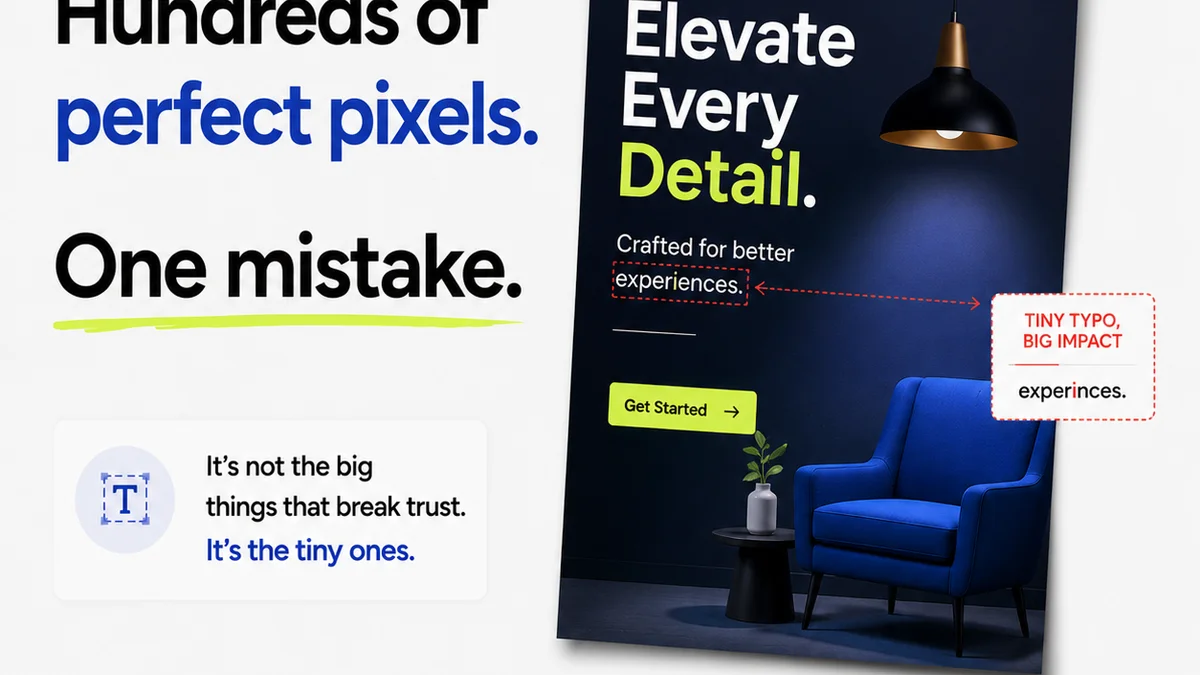
Everyone thinks brand guidelines are just about making things look pretty. Logos, fonts, color palettes. Keep it consistent, avoid ugly mistakes. None of that is wrong. But it’s incomplete.
The hard truth? For educational institutions, well-defined brand guidelines are not just a creative asset; they’re a strategic business tool. They are the bedrock for growth.
1. Building Trust and Credibility in a Crowded Market
The education sector is fiercely competitive. Universities, colleges, and even K-12 districts vie for students, faculty, and funding. In this landscape, trust is the most valuable currency.
Inconsistent branding erodes trust. A website that looks different from a brochure, social media posts that clash with official communications – it signals disorganization. It makes prospective students, parents, and donors question the institution's stability and quality.
Strong brand guidelines ensure every touchpoint reinforces the institution's identity and values. This consistency builds familiarity and reliability.
The Ripple Effect of Visual Cohesion
Think about it:
- A prospective student visits the website, sees a campus tour video, and then receives a mailed prospectus. If the visual language is identical, the experience feels seamless.
- A donor receives an impact report. The professional, consistent design signals that their investment is being managed responsibly.
- Faculty and staff feel a sense of pride and belonging when their institution's visual identity is strong and respected.
This isn't just about aesthetics; it's about perception. It’s about communicating professionalism and a clear vision.
2. Attracting and Retaining the Right Students
Students today are savvy consumers. They research extensively, and their decisions are influenced by more than just academic programs. They are looking for an experience, a community, and a brand that resonates with their aspirations.
Your brand is often the first impression. It communicates the culture, values, and overall atmosphere of the institution. Generic or inconsistent branding fails to capture this essence.
Clear brand guidelines help define and articulate what makes your institution unique. This clarity attracts students who are a good fit – those who align with the institution's mission and values.
Beyond the Brochure: Digital First Impressions
The admissions funnel is increasingly digital. Websites, social media, virtual tours, online application portals – these are the primary battlegrounds for attention.
Well-executed brand guidelines ensure that these digital assets are:
- Visually appealing and engaging.
- Easy to navigate and understand.
- Consistent with the institution's offline presence.
This unified experience reduces friction and builds confidence during the critical decision-making process.
Furthermore, a strong brand identity fosters a sense of belonging. Students who feel connected to the institution's brand are more likely to thrive and become loyal alumni.
3. Enhancing Marketing and Communication Efficiency
Creating marketing collateral can be a chaotic process, especially across multiple departments and external vendors. Without clear guidelines, it’s a recipe for wasted time and resources.
Brand guidelines act as a central rulebook. They provide clear instructions on how to use logos, colors, typography, imagery, and tone of voice.
This standardization significantly speeds up the creative process.
The Cost of Inconsistency
- Reduced revision cycles: Designers and marketers know exactly what's expected, minimizing back-and-forth.
- Faster content creation: Templates and pre-approved assets can be utilized efficiently.
- Lower external costs: Agencies and freelancers have a clear brief, reducing guesswork and billable hours.
- Empowered internal teams: Marketing, admissions, alumni relations, and even academic departments can create on-brand materials confidently.
Think of it as pre-flight checks for your brand. Catching errors early saves massive amounts of time and money down the line.
4. Supporting Fundraising and Alumni Engagement
Donors and alumni are vital revenue streams for educational institutions. Their engagement is driven by a belief in the institution's mission and a connection to its community.
A consistent, professional brand reinforces the institution's value proposition to these key stakeholders. It communicates stability, impact, and a future worth investing in.
When fundraising campaigns, alumni newsletters, and event materials all speak with a unified voice and visual style, it strengthens the emotional connection.
From Recognition to Loyalty
Brand recognition is the first step. Consistent application builds trust, which is essential for fostering loyalty.
- Clear impact reporting: Showing donors precisely where their money goes, visually and textually, builds confidence.
- Engaging alumni content: Sharing stories and updates in a consistent, recognizable format keeps alumni connected.
- Unified event branding: Conferences, reunions, and galas all feel like part of the same esteemed institution.
This consistency signals that the institution is well-managed, reputable, and worthy of continued support.
5. Navigating the Digital Landscape and Accessibility
In today's digital-first world, brand guidelines must extend beyond print. They need to encompass web, mobile, social media, and digital advertising.
This is also where accessibility becomes non-negotiable. Educational institutions have a responsibility to serve all students, and that includes ensuring digital content is accessible.
Well-defined brand guidelines can incorporate accessibility standards from the outset.
Guidelines for Inclusivity
- Color contrast ratios: Specifying minimum contrast levels for text and backgrounds ensures readability for visually impaired users.
- Typography choices: Selecting legible fonts and defining appropriate sizes and line spacing benefits all users.
- Image alt text: Mandating descriptive alt text for all meaningful images.
- Video captions and transcripts: Ensuring multimedia content is accessible.
Integrating these requirements into the brand guidelines makes accessibility a standard practice, not an afterthought. This not only broadens the institution's reach but also aligns with legal and ethical obligations. For example, the Web Content Accessibility Guidelines (WCAG) provide a robust framework for digital accessibility.
A brand that is accessible is a brand that serves everyone. This inclusivity is a powerful differentiator.
Where Revue Fits In
Managing brand consistency across a large institution with many stakeholders is a monumental task. Feedback loops can be slow, revisions can get lost, and ensuring final assets meet guidelines is a constant challenge.
This is where a centralized platform like Revue becomes invaluable for educational marketing and creative teams.
Imagine this:
- Centralized Feedback: All stakeholders – from department heads to legal review – can provide feedback directly on creative assets (web pages, brochures, videos) within Revue. This eliminates scattered email chains and ensures everyone is working from the latest version.
- Revision Visibility: Track every iteration of a design. See who approved what and when. This audit trail is crucial for accountability and for ensuring the final output adheres to brand standards.
- Quality Control: Before anything goes live, use Revue to conduct final checks. Ensure logos are correct, colors are within spec, and all required elements are present, aligning perfectly with your brand guidelines.
Revue streamlines the entire creative workflow, ensuring that every piece of communication not only looks good but also strengthens the institution's brand and supports its growth objectives.
Final Thought
Brand guidelines are not a static document; they are a living strategy. For educational institutions, they are the silent architects of trust, a magnet for talent, and a powerful engine for sustainable growth. Are yours working hard enough?
Frequently asked questions
What are the key components of brand guidelines for an educational institution?
Key components include logo usage, color palettes with specific HEX/RGB/CMYK values, typography (fonts, sizes, hierarchy), imagery style, tone of voice, and guidelines for specific applications like web, print, and social media. For educational institutions, it's also crucial to include accessibility standards and guidelines for representing students and faculty respectfully.
How do brand guidelines directly impact student recruitment?
Consistent and professional branding builds trust and credibility, which are critical factors for prospective students and their parents. Clear guidelines ensure that all recruitment materials—from websites and social media to brochures and campus visits—present a unified, appealing, and coherent image of the institution, resonating with the desired student demographic.
Can brand guidelines help with internal communication and staff morale?
Yes, absolutely. When faculty and staff have clear guidelines, they can create on-brand materials with confidence, reducing frustration and wasted time. A strong, consistent brand also fosters a sense of pride and shared identity among employees, reinforcing the institution's mission and values.
How can educational institutions ensure their brand guidelines are followed across all departments and external partners?
Effective implementation requires making the guidelines easily accessible (e.g., on an internal portal), providing training, and utilizing tools like Revue for centralized feedback and approval. Regular audits and clear communication channels are also vital for ensuring adherence by both internal teams and external vendors.