Most marketing teams think brand identity is about a logo and a color palette. That’s the easy part. The hard truth? A strong brand identity for an insurance company is built on consistent execution, clear communication, and unwavering trust across every single touchpoint.
It’s not just about looking good. It’s about performing well.
1. The Visual Foundation: Beyond the Logo
Logo Usage and Variations
Your logo is the cornerstone. But how it’s used determines its strength. Are there clear guidelines for minimum size, clear space, and acceptable variations (e.g., horizontal, vertical, icon-only)?
This isn’t just for designers. Every ad, every social post, every print piece needs the correct logo. Incorrect usage erodes recognition.
Color Palette Precision
Your primary and secondary colors need to be defined by specific values (CMYK, RGB, Hex, Pantone). This ensures consistency across print, web, and digital applications.
A faded blue on a brochure and a vibrant blue on a website screams disorganization. It’s not just a minor slip; it’s a visible crack in your brand’s facade.
Typography Hierarchy and Application
What fonts are approved for headlines, body copy, and calls to action? How should they be weighted and spaced?
Consistent typography guides the reader’s eye and reinforces brand personality. Inconsistent fonts make content look amateurish and hard to digest.
Imagery and Iconography Style
What kind of photography or illustrations align with your brand? Are they aspirational, factual, human-centric? What’s the approved icon style?
Stock photos that don't match your brand tone can undermine your message. Generic icons feel impersonal. A unified visual language builds immediate recognition.
2. The Voice and Tone: Speaking Your Customer's Language
Defining Your Brand Voice
Is your brand voice authoritative, friendly, reassuring, professional, or a blend? This should be clearly articulated and understood by everyone creating content.
For insurance, trust is paramount. Your voice needs to convey that. Is it overly corporate and stiff, or accessible and empathetic?
Messaging Pillars and Key Statements
What are the core messages you want to communicate about your services, your values, and your customer commitment? What are your approved taglines and boilerplate descriptions?
These aren't just marketing fluff; they are the bedrock of your brand narrative. Every piece of communication should echo these pillars.
Audience-Specific Language
Do you speak differently to a young family buying their first home versus a small business owner seeking commercial coverage? Your tone might shift, but the core voice should remain.
Understanding your audience allows you to tailor your message without sacrificing brand integrity. It shows you get them.
3. The Customer Experience: Where Brand Identity Lives
Onboarding and Initial Contact
From the first website visit to the initial quote request, is the experience seamless and on-brand? Are forms clear? Is the language reassuring?
This is your first impression. If it's confusing or impersonal, prospects will look elsewhere. The insurance buying process can be intimidating; your brand should simplify it.
Policy Documents and Communications
Are your policy documents, renewal notices, and billing statements clear, concise, and consistently branded? This is where many insurance brands falter.
These aren't just legal necessities; they are critical customer touchpoints. They should reinforce trust, not create confusion. Use clear language, not just legalese.
Claims Process and Support
How does your brand personality come through during a claim? Is the process empathetic, efficient, and transparent? This is often the most critical moment of truth for a customer.
A brand that promises support but delivers a bureaucratic nightmare will lose customers. Your claims team is your brand ambassador in a crisis.
Digital Platforms (Website, App, Social Media)
Is your website easy to navigate? Does your app provide a smooth user experience? Is your social media engaging and on-brand? These platforms are extensions of your physical presence.
Consistency across all digital channels builds familiarity and reliability. A disjointed digital presence suggests a disjointed operation.
4. Internal Alignment: The Unseen Brand Builders
Employee Training and Brand Advocacy
Does every employee, from customer service to claims adjusters, understand the brand identity and their role in upholding it? Are they equipped to be brand advocates?
Your employees are the frontline. If they don't embody the brand, your external messaging rings hollow. They need to live the brand promise.
Marketing Collateral and Sales Enablement
Are sales teams equipped with up-to-date, on-brand marketing materials? Is there a central repository for approved assets?
Sales reps shouldn't be creating their own flyers or using outdated presentations. This leads to brand fragmentation and misinformation.
Feedback Loops and Brand Governance
Is there a process for collecting feedback on brand consistency? Who is responsible for enforcing brand guidelines and updating them as needed?
Brand guidelines aren't set-it-and-forget-it documents. They need active management and enforcement to remain effective.
Where Revue Fits In
Managing all these elements for a complex organization like an insurance provider can feel overwhelming. How do you ensure that every piece of marketing collateral, every customer communication, every digital asset adheres to the brand identity?
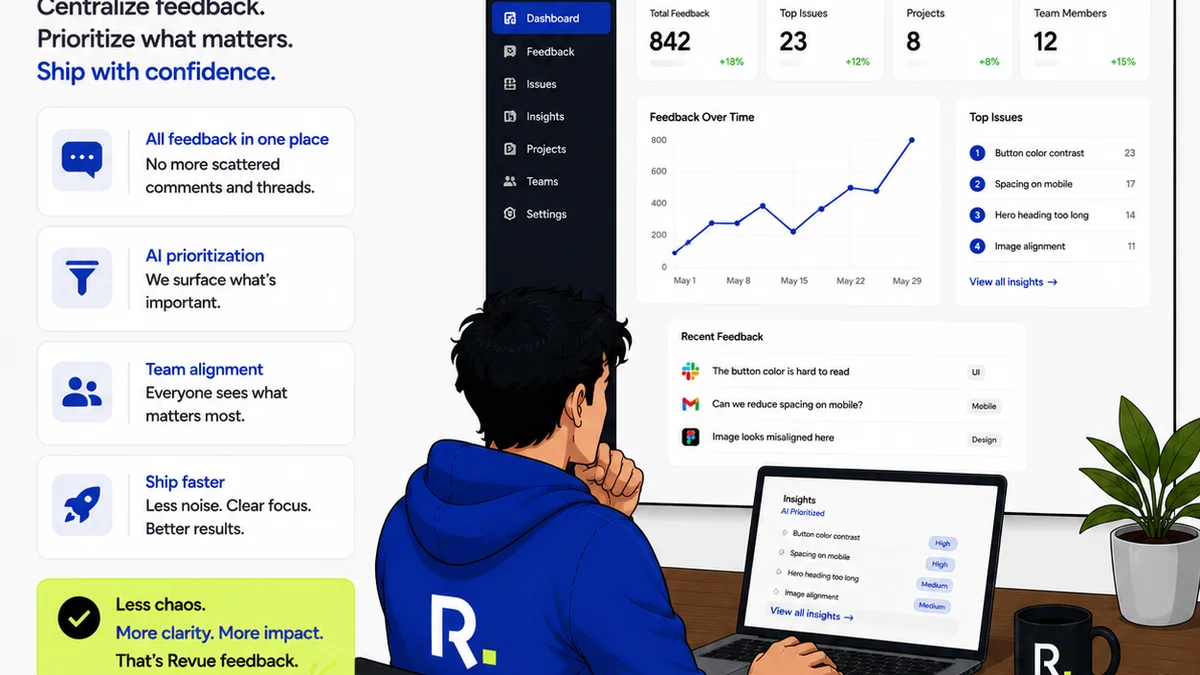
This is where a centralized platform for creative workflows becomes essential. Revue helps marketing teams manage client feedback, track revisions, and ensure final approvals align with brand standards.
Imagine a world where all feedback on a new ad campaign is in one place, visible to everyone. Where the final approved version of a policy document is easily accessible. Where you can quickly audit creative assets for brand compliance.
Revue streamlines the process of getting creative work done, ensuring that the final output not only meets client needs but also rigorously upholds your carefully crafted brand identity. It brings order to the creative chaos, making brand consistency an achievable operational reality, not just a hopeful aspiration.
Final Thought
A strong brand identity in insurance isn't a passive shield; it's an active engine for growth. It’s built not just in a boardroom, but in every interaction, every document, every moment of truth. How are you actively building and defending yours, day in and day out?
Frequently asked questions
What are the core components of brand identity for an insurance company?
The core components include visual elements (logo, color, typography, imagery), brand voice and tone, messaging pillars, and how these are consistently applied across all customer touchpoints, from digital platforms to customer service and claims processes. Internal alignment and employee understanding are also critical.
Why is brand consistency so important in the insurance industry?
In insurance, trust is paramount. Consistent branding across all interactions reinforces reliability, professionalism, and a customer-centric approach. Inconsistency can erode trust, lead to confusion, and make a company appear disorganized or less dependable during critical times like filing a claim.
How can an insurance company ensure its brand voice is heard clearly?
Define your brand voice explicitly (e.g., reassuring, authoritative, empathetic). Train employees on this voice. Develop clear messaging pillars and key statements. Ensure all content, from website copy to policy documents and customer service scripts, adheres to this defined voice and tone, adapting slightly for audience but maintaining core identity.
What role do policy documents and claims processing play in brand identity?
These are critical moments of truth. Policy documents should be clear, easy to understand, and consistently branded, reinforcing the company’s commitment to clarity and support. The claims process is where the brand promise of help and reliability is truly tested. An empathetic, efficient, and transparent claims experience significantly strengthens brand perception.