Everyone thinks a strong brand identity in education is about a slick logo, a catchy tagline, and maybe some consistent colors across brochures. None of that is wrong. But it’s incomplete.
The deeper truth? A powerful brand identity in education is the bedrock of trust and clarity for students, parents, faculty, and the wider community. It’s about communicating your institution’s core values and mission so effectively that it becomes instantly recognizable and deeply respected.
1. Defining Your Educational Brand's Core
Before you even think about a color palette, you need to get brutally honest about who you are and what you stand for. This isn't a marketing exercise; it's an existential one.
Understanding Your Mission and Vision
What is the ultimate purpose of your institution? What future are you trying to shape? These aren't just words for a mission statement; they are the guiding stars for every decision you make.
A clear mission clarifies your purpose. A compelling vision inspires action.
Identifying Your Unique Value Proposition
What makes your educational institution different? Is it a specialized program, a unique teaching methodology, a strong community focus, or groundbreaking research?
Your value proposition is your competitive edge. It’s why someone chooses you over others.
Knowing Your Audiences
You're not just talking to one group. You have prospective students, current students, alumni, parents, faculty, staff, donors, and the local community. Each has different needs and expectations.
Tailor your messaging, but ensure the core brand remains consistent.
2. Crafting a Cohesive Visual Identity
Once the core is defined, the visual elements need to reflect that essence. This is where the logo, typography, and color come into play, but they must be informed by strategy, not just aesthetics.
Logo Design Principles
Your logo is the primary visual identifier. It needs to be:
- Memorable: Easy to recall and recognize.
- Timeless: Avoid fleeting trends.
- Versatile: Works across various applications (digital, print, merchandise).
- Relevant: Aligns with the institution's values and mission.
A strong logo tells a story without words.
Typography Choices
The fonts you use convey personality. Are you traditional and authoritative, or modern and innovative?
Choose typefaces that are legible and evoke the right feeling. Consistency is key here.
Color Psychology and Application
Colors have emotional associations. A university might use colors that convey tradition and stability, while a tech-focused school might opt for more vibrant, energetic hues.
Ensure your color palette is accessible, meaning it meets contrast requirements for readability, especially for those with visual impairments. Check guidelines from the Web Content Accessibility Guidelines (WCAG).
Imagery and Photography Style
The photos and illustrations you use should align with your brand's tone and message. Are they candid and diverse, or posed and formal?
Authenticity in imagery builds connection.
3. Developing a Consistent Brand Voice and Messaging
Your brand isn't just seen; it's heard. The way your institution communicates verbally and in writing is crucial.
Tone of Voice
Is your institution formal, friendly, academic, inspiring, or pragmatic? Define this clearly.
Your tone should be consistent across all communications, from website copy to social media posts to official announcements.
Key Messaging Pillars
What are the 3-5 core messages you want to consistently communicate? These should stem directly from your mission, vision, and value proposition.
These pillars ensure everyone is on the same page, internally and externally.
Content Strategy Alignment
All content – website, blogs, social media, newsletters, prospectuses – should reinforce the brand identity. Every piece of content is a brand touchpoint.
Think about the student journey and what information is needed at each stage.
4. Implementing Brand Guidelines Universally
A brand guide is not a suggestion; it's a rulebook. Without it, your brand identity will fray at the edges.
Creating a Comprehensive Brand Style Guide
This document should cover:
- Logo usage (clear space, minimum size, variations)
- Color palettes (primary, secondary, accent colors with HEX, RGB, CMYK values)
- Typography (fonts, weights, sizes, hierarchy)
- Voice and tone guidelines
- Imagery style
- Examples of correct and incorrect usage
A good brand guide is your brand's constitution.
Training and Onboarding
Ensure all staff, faculty, and relevant external partners understand and are trained on the brand guidelines. This includes new hires.
Consistent application requires informed people.
Digital Asset Management (DAM)
Use a centralized system to store and manage all approved brand assets. This prevents outdated or incorrect versions from being used.
Make it easy for people to do the right thing.
5. Measuring Brand Perception and Impact
Brand building is an ongoing process. You need to track how your identity is perceived and if it's achieving its goals.
Audience Feedback Mechanisms
Regularly solicit feedback through surveys, focus groups, and social listening to gauge brand perception.
Are you resonating with your target audiences?
Website and Social Media Analytics
Track engagement metrics. Are people interacting with your content? Does your brand messaging drive desired actions (e.g., applications, inquiries)?
Data provides objective insights.
Reputation Monitoring
Keep an eye on media mentions and online reviews. What are people saying about your institution?
Your reputation is a direct reflection of your brand.
Where Revue Fits In
Managing brand consistency across a complex organization like an educational institution can feel overwhelming. Different departments, numerous projects, and external vendors all contribute to the final output.
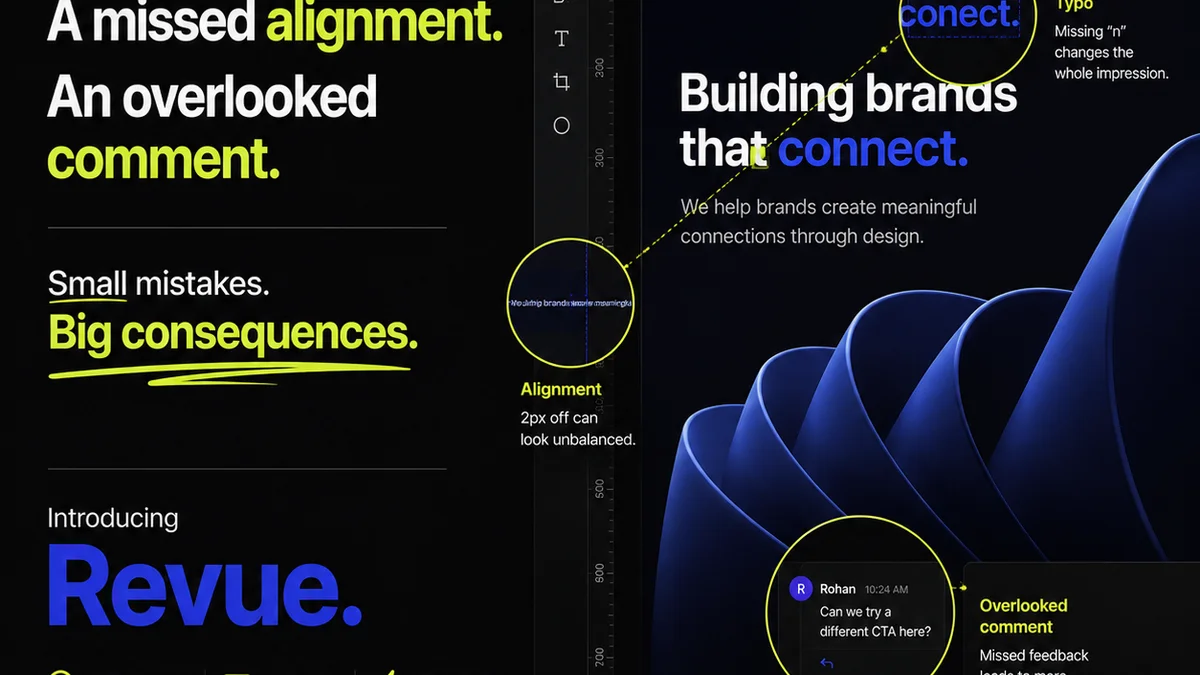
This is where a centralized feedback and approval platform like Revue becomes invaluable.
Imagine a world where all creative assets—from new course brochures to website redesign mockups—are reviewed and approved in one place. No more endless email chains or lost feedback in Slack messages.
Revue streamlines the review process. Stakeholders can provide clear, contextual feedback directly on the creative work. Version control is automatic, so everyone sees the latest iteration. This visibility ensures that brand guidelines are adhered to and revisions are tracked meticulously.
For approvals, Revue offers a clear audit trail, confirming that work has met institutional standards before publication. This reduces the risk of off-brand materials going live and ensures that the visual and messaging elements of your brand identity are consistently applied across all touchpoints.
It’s about bringing order to the creative chaos, ensuring that every piece of communication reinforces, rather than dilutes, your educational brand.
Final Thought
Your educational brand is more than just a logo; it's the promise you make to your students and the community. It’s the sum of every interaction, every piece of communication, and every experience.
How effectively are you delivering on that promise, and is your brand identity working as hard as it could be to build the trust and recognition your institution deserves?
Frequently asked questions
What are the key components of an educational brand identity?
An educational brand identity comprises its mission and vision, unique value proposition, target audiences, visual elements (logo, colors, typography, imagery), brand voice and messaging, and consistent application through brand guidelines.
Why is a strong brand identity important for educational institutions?
A strong brand identity builds trust and recognition among students, parents, faculty, and alumni. It differentiates the institution, attracts talent and enrollment, and fosters a sense of community and shared purpose.
How can educational institutions ensure brand consistency across different departments?
Institutions can ensure consistency by developing comprehensive brand guidelines, providing thorough training to all staff and stakeholders, using a centralized digital asset management system, and implementing a streamlined feedback and approval process, such as through platforms like Revue.
What role does accessibility play in educational brand identity?
Accessibility is crucial. Color palettes must meet contrast requirements for readability (WCAG standards), typography must be legible, and all communication materials should be designed to be inclusive, ensuring the brand is approachable and usable by everyone.