Everyone knows insurance companies need a logo. They need a color palette. Maybe a tagline. That’s brand identity, right?
None of that is wrong. But it’s incomplete.
The deeper truth? Brand identity is not a creative exercise. It’s a strategic business tool. Especially in insurance, a sector often perceived as commoditized and complex, a well-defined brand identity can be your most powerful growth driver. It cuts through the noise, builds trust, and ultimately, attracts and retains more clients.
1. The Trust Deficit in Insurance
Let’s be honest. Insurance isn’t exactly the most exciting purchase. It’s often seen as a necessary evil. A cost of doing business. People buy it because they have to, not because they want to.
This perception creates a significant trust deficit.
Clients are bombarded with options. Price comparison sites. Aggressive sales tactics. The fear of being underinsured or overpaying is real.
In this environment, a strong, consistent brand identity is your first line of defense. It’s not just about looking professional; it’s about signaling reliability, stability, and transparency.
A Clear Brand Voice Matters
Your brand voice is how you speak to your clients. Is it jargon-filled and overly technical? Or is it clear, empathetic, and reassuring?
A consistent voice across all touchpoints – website, emails, policy documents, even customer service interactions – builds familiarity. Familiarity breeds comfort. Comfort builds trust.
Visual Consistency Signals Stability
Think about major financial institutions. Their visual branding is usually impeccable. Why?
Because a consistent visual language—from the font on your business cards to the layout of your website—communicates order and control. In a field dealing with risk and uncertainty, this visual stability is a powerful subconscious cue for clients.
2. Differentiating in a Crowded Market
The insurance market is saturated. Every provider claims to offer the best rates, the most comprehensive coverage, or the superior customer service.
Without a distinct brand identity, you’re just another option in a sea of sameness.
Your brand identity is your unique fingerprint. It’s what makes you stand out.
Beyond Product Features
Focusing solely on policy features or price is a race to the bottom. Competitors can always match your offer.
A strong brand identity allows you to compete on different grounds: values, mission, customer experience, and community involvement.
What do you stand for, beyond selling insurance?
Defining Your Niche
A clear brand identity helps you define and attract your ideal client. Are you targeting young families, small businesses, or high-net-worth individuals?
Your brand messaging, visuals, and overall tone should resonate specifically with that audience. This targeted approach is far more effective than a generic, one-size-fits-all strategy.
3. Enhancing Customer Acquisition and Retention
A strong brand doesn’t just attract attention; it actively contributes to acquiring and keeping customers.
Think of it like this: a memorable brand makes you easier to find and harder to leave.
Attracting the Right Clients
When your brand identity clearly communicates your value proposition and resonates with a specific audience, you attract clients who are a good fit. These clients are more likely to understand your value, less likely to churn, and potentially become long-term advocates.
This reduces acquisition costs over time.
Fostering Loyalty
Loyalty in insurance is gold. Clients who stay with you for years provide stable revenue and are less expensive to service than acquiring new ones.
A brand that evokes positive emotions, demonstrates consistent value, and offers a superior client experience cultivates that loyalty. It moves the relationship beyond a transactional one to a trusted partnership.
4. Building Internal Cohesion and Culture
Brand identity isn't just outward-facing. It’s a powerful internal tool.
A clearly defined brand provides a shared sense of purpose and direction for your entire team.
Aligning Your Team
When every employee understands the brand’s mission, values, and personality, they can embody it in their daily work. This alignment is crucial for delivering a consistent client experience.
Whether it’s a sales agent or a claims handler, they should all be speaking the same brand language and acting in accordance with brand principles.
Attracting Talent
A strong, positive brand reputation extends to attracting top talent. People want to work for companies they believe in and whose values align with their own.
In a competitive job market, a compelling employer brand can be a significant differentiator.
Where Revue Fits In
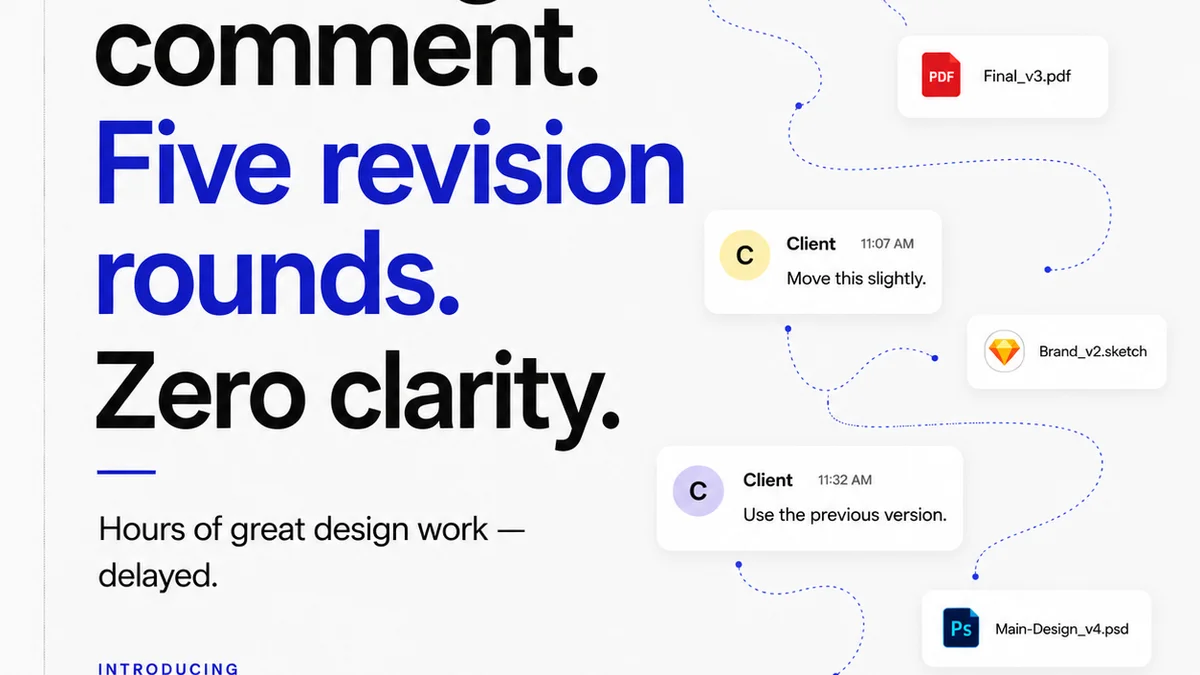
Managing client feedback and revisions is a critical part of delivering on your brand promise. Inconsistency or inefficiency here can damage the trust you’ve worked hard to build.
Revue helps ensure that the operational execution of your creative and marketing efforts aligns with your brand identity.
When clients provide feedback on marketing materials, website copy, or ad creatives, having a centralized system like Revue means that feedback is clear, actionable, and tracked.
- Centralized Feedback: All comments and markups live in one place, preventing miscommunication and ensuring everyone is working from the latest version.
- Revision Visibility: Track every iteration of a creative asset. This clarity ensures that the final output consistently reflects the intended brand message and quality.
- Streamlined Approvals: Formalize the approval process. This prevents off-brand or low-quality work from going live, protecting your brand reputation.
- Quality Checks: Ensure that all client-facing materials meet your brand’s standards before they are published.
By streamlining these processes, Revue helps your agency or in-house team deliver high-quality, on-brand work, reinforcing the trust and professionalism your brand identity aims to project.
5. Measuring the Impact of Brand Identity
How do you know if your brand identity is actually driving growth?
It’s not just about vanity metrics. It’s about tangible business outcomes.
Key Performance Indicators (KPIs)
Track metrics that directly correlate with brand strength and business growth:
- Client Acquisition Cost (CAC): Does a stronger brand reduce the cost to acquire new clients?
- Customer Lifetime Value (CLV): Are clients acquired through strong branding more loyal and valuable over time?
- Brand Recall and Recognition: Conduct surveys or monitor social listening to gauge how well your brand is remembered and perceived.
- Net Promoter Score (NPS): Happy, loyal clients are more likely to recommend you.
- Website Conversion Rates: Does your brand messaging and visual appeal drive more visitors to convert into leads or customers?
Long-Term Perspective
Building a powerful brand identity takes time and consistent effort. The returns are rarely immediate.
Think of it as cultivating a garden, not flipping a switch. Consistent watering, sunlight, and care (your brand efforts) lead to sustained growth.
Focus on long-term brand equity, not just short-term sales spikes.
Final Thought
Is your brand identity merely a coat of paint on your insurance business, or is it the foundation upon which you build sustainable growth?
In an industry defined by trust and risk, your brand is your most valuable asset. Treat it as such.
Frequently asked questions
What is the primary role of brand identity in the insurance sector?
In insurance, brand identity's primary role is to build trust and differentiate your business in a crowded, often complex market. It moves beyond just visuals to encompass communication, values, and customer experience, signaling reliability and transparency to potential clients.
How does brand identity impact client acquisition and retention in insurance?
A strong brand identity attracts clients who are a good fit, reducing acquisition costs. It also fosters loyalty by creating an emotional connection and consistent positive experience, leading to higher customer lifetime value and reduced churn.
Can brand identity help an insurance agency stand out from competitors?
Absolutely. In a market where products can seem similar, a unique brand identity communicates your agency's specific values, mission, and target audience. This differentiation allows you to compete on factors beyond just price or coverage, such as specialized service or a distinct client experience.
How can an insurance agency measure the ROI of its brand identity efforts?
ROI can be measured by tracking key performance indicators (KPIs) like reduced client acquisition cost (CAC), increased customer lifetime value (CLV), improved brand recall and recognition through surveys, higher Net Promoter Scores (NPS), and better website conversion rates. These metrics reflect tangible business growth driven by brand strength.