Everyone thinks brand identity is just about a logo and a color palette. That’s not wrong. But it’s incomplete.
For insurance companies, a strong brand identity is the bedrock of trust. It’s how you communicate stability, reliability, and value in a market often perceived as complex and impersonal.
1. The Hard Truth: Insurance Brand Identity Is About Trust, Not Just Looks
In insurance, your brand identity isn't just a marketing asset; it’s a promise. It’s the visual and verbal shorthand that tells potential clients you’re dependable, understand their needs, and will be there when it matters most.
A weak identity breeds doubt. A strong one builds confidence. This goes far beyond a slick website or a catchy slogan. It’s woven into every touchpoint.
2. Defining Your Insurance Brand’s Core
Before you can build a compelling identity, you need to know who you are. What’s your company’s fundamental purpose in the insurance landscape?
Understanding Your Mission and Values
What problem are you solving for your clients? Is it peace of mind, financial security, or specialized protection? Your mission statement should reflect this.
Your values are your guiding principles. Are you about community, innovation, affordability, or unparalleled service? These must be authentic and reflected in your actions.
Identifying Your Target Audience
Who are you serving? Young families, small businesses, high-net-worth individuals, or specific industries? Understanding their needs, fears, and aspirations is crucial.
A brand identity that speaks to millennials will differ vastly from one targeting retirees. Generic won't cut it.
Pinpointing Your Unique Selling Proposition (USP)
What makes you different? Is it your claims process, your customer service, your specialized policies, or your pricing structure?
Your USP is the core of your competitive advantage. Your brand identity must amplify this differentiator.
3. Crafting the Visual Identity
This is where many assume the work begins and ends. The visual elements are critical for recognition and recall.
Logo Design
Your logo is the primary identifier. It should be simple, memorable, and versatile.
For insurance, think about conveying stability and professionalism. Avoid overly trendy designs that will quickly become dated.
Color Palette
Colors evoke emotion. Blues and greens often signify trust, calm, and growth, common choices in insurance. Grays and darker tones can suggest reliability and seriousness.
Ensure your palette is accessible and works across all mediums.
Typography
Font choices communicate personality. Serif fonts can feel traditional and trustworthy, while sans-serif fonts might appear more modern and approachable.
Consistency in typography across all your materials is key.
Imagery and Iconography
The photos, illustrations, and icons you use should align with your brand’s tone and message. Are you showing happy families, secure businesses, or abstract concepts of protection?
Authenticity in imagery is vital. Stock photos that feel generic can undermine your message.
4. Developing the Verbal Identity
How you speak to your audience is as important as how you look.
Brand Voice and Tone
Is your voice authoritative and knowledgeable, or friendly and reassuring? Your tone will shift depending on the context (e.g., a marketing email versus a claims notification).
Clarity and empathy are paramount in insurance communications.
Messaging and Taglines
Your core messages should consistently reinforce your USP and values. Your tagline is a concise summary of your brand promise.
Avoid jargon. Insurance is complex enough; your communication shouldn't add to the confusion.
Content Strategy
What stories do you tell? How do you educate your audience? This includes website copy, blog posts, social media updates, and customer service scripts.
Content should aim to build trust and provide genuine value, not just sell policies.
5. Implementing and Maintaining Brand Consistency
A strong brand identity crumbles without consistent application.
Brand Guidelines
Document everything. Your brand guidelines are the rulebook for how your identity is used. They cover logo usage, color codes, typography, voice, and tone.
These guidelines ensure everyone, from marketing to sales to customer service, presents a unified front.
Cross-Departmental Alignment
Brand identity isn't just a marketing department concern. Every employee interacts with clients and represents the brand.
Training and internal communication are essential to ensure everyone understands and embodies the brand.
Digital and Physical Touchpoints
Consistency matters on your website, social media, email signatures, business cards, office signage, and customer correspondence.
Every interaction is an opportunity to reinforce your brand identity.
6. Where Revue Fits In
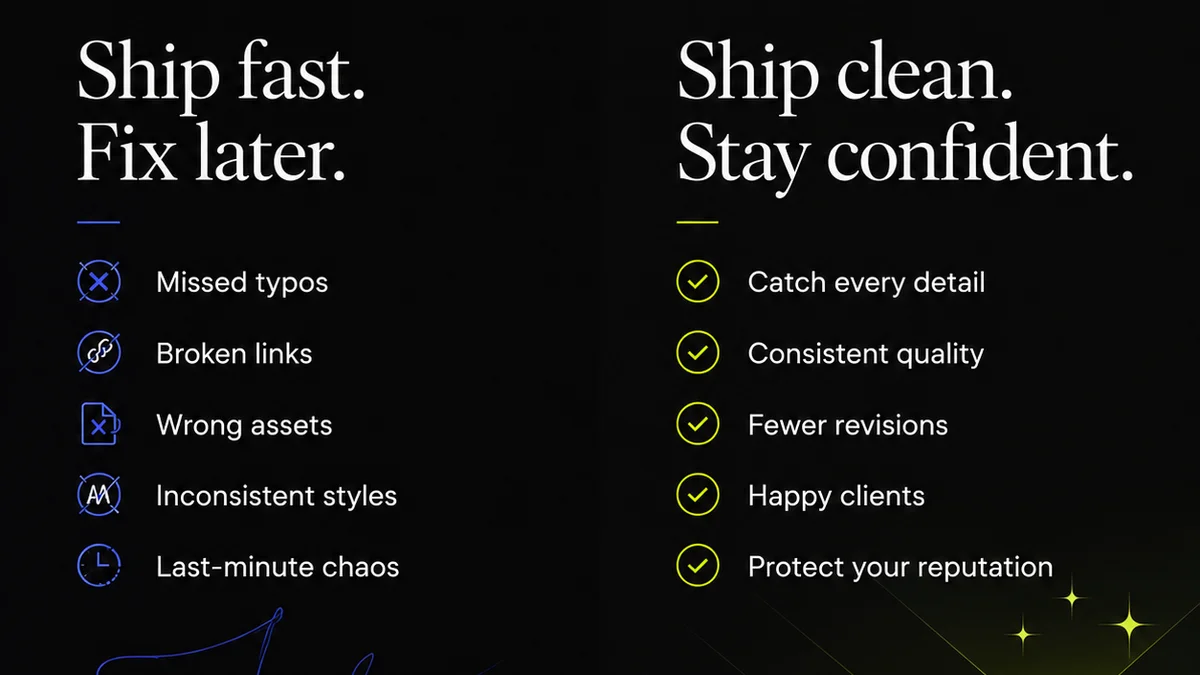
Managing client feedback and revisions for creative assets that support your brand identity can be a challenge. Keeping a consistent visual and verbal message across all campaigns requires clear workflows.
Revue helps streamline this process. Centralizing feedback on marketing materials, ad creatives, or website designs ensures that all stakeholders have visibility. This reduces misinterpretations and ensures revisions align with the established brand guidelines.
Tracking revisions and approvals within Revue provides an audit trail, confirming that creative output consistently adheres to the brand's visual and verbal identity, maintaining that crucial trust with your audience.
7. Common Pitfalls to Avoid
Many insurance brands stumble in their identity efforts.
- Inconsistency: Different messages or visuals across platforms.
- Jargon Overload: Using technical insurance terms that confuse clients.
- Lack of Empathy: Communicating policies without addressing client needs or fears.
- Generic Imagery: Relying on stock photos that fail to connect.
- Ignoring the Human Element: Focusing solely on products, not the people you serve.
- Outdated Design: Visuals that don't reflect a modern, relevant company.
8. Measuring Brand Identity Success
How do you know if your brand identity is working?
Brand Awareness
Are people familiar with your brand? This can be measured through surveys and tracking brand mentions.
Customer Perception
Do clients perceive you as trustworthy, reliable, and customer-focused? Feedback and sentiment analysis are key here.
Market Share and Growth
Ultimately, a strong brand identity contributes to business success. Are you attracting new clients and retaining existing ones?
Website Traffic and Engagement
Are people seeking out your content and engaging with your brand online?
9. The Future of Insurance Brand Identity
The insurance landscape is evolving. Technology, changing consumer expectations, and new risks demand adaptable brand identities.
Insurtechs are challenging traditional players with agile, digitally-native brands. This pushes established companies to innovate their own identities.
Personalization and hyper-targeting will become even more critical. Your brand identity needs to resonate deeply with specific segments.
Final Thought
In insurance, your brand identity is more than just a logo; it’s the tangible representation of your promise. It’s the cornerstone of trust in a relationship that’s built on security and peace of mind. Is your identity truly reflecting the promise you make?
Frequently asked questions
What are the key elements of an insurance brand identity?
Key elements include a strong logo, a consistent color palette and typography, clear brand messaging, an authentic brand voice, and professional imagery that all work together to convey trust and reliability.
Why is brand identity so important for insurance companies?
Insurance is fundamentally about trust and security. A strong brand identity helps establish that trust, differentiates you from competitors, and communicates your value proposition clearly to potential clients.
How can a creative agency help with insurance brand identity?
Agencies can provide expertise in research, strategy, visual design, copywriting, and implementation to create a cohesive and effective brand identity that resonates with the target audience and supports business goals.
How do I ensure my brand identity remains consistent?
Develop comprehensive brand guidelines that detail logo usage, colors, fonts, voice, and tone. Train your internal teams and external partners on these guidelines, and use tools like Revue to manage creative feedback and ensure consistency across all touchpoints.