Many cybersecurity businesses think brand messaging is a one-and-done task. Hire a copywriter, get some taglines, and call it a day. None of that is wrong. But it’s incomplete.
The hard truth is that effective brand messaging is an ongoing, integrated process that directly impacts your bottom line. It’s not just about sounding good; it’s about building trust and clearly communicating complex value in a noisy market.
1. The Hidden Costs of Underestimating Messaging
The initial outlay for professional messaging might seem high. But the real cost is what you lose by *not* investing.
Think about the wasted marketing spend when your message doesn't resonate. Or the sales cycles that drag on because prospects don't grasp your unique selling proposition (USP).
Common Pitfalls
- Vague value propositions that fail to differentiate.
- Inconsistent tone across different platforms.
- Technical jargon that alienates non-expert buyers.
- Lack of a clear narrative that explains *why* your solution matters.
These aren't just minor annoyances. They are direct drains on your resources and opportunities.
2. Core Components and Their Costs
Building robust brand messaging involves several key elements, each with associated costs.
Brand Strategy & Discovery
This is the foundation. It involves understanding your target audience, competitive landscape, and your company’s core values and differentiators. This phase requires deep dives, interviews, and research.
Cost Factors:
- Internal team time (marketing, sales, leadership).
- External consultants or agency fees for research and strategy development.
- Market research tools or reports.
Messaging Framework Development
Translating the strategy into a usable framework. This includes your mission, vision, values, brand voice, key messages, elevator pitch, and USP.
Cost Factors:
- Copywriters or content strategists (freelance, agency, or in-house).
- Brand strategists or consultants.
- Workshop facilitation.
Content Creation & Implementation
This is where the messaging comes to life across various touchpoints.
- Website copy (homepage, about us, product/service pages).
- Sales collateral (brochures, datasheets, presentations).
- Marketing materials (blog posts, social media updates, email campaigns, case studies).
- Video scripts.
- Internal communications.
Cost Factors:
- Content creators (writers, editors, designers, videographers).
- Content management systems (CMS) and marketing automation tools.
- Distribution costs (ad spend, PR).
Brand Voice & Style Guide
Ensuring consistency. A comprehensive guide defines your brand's personality, tone, vocabulary, and grammatical rules.
Cost Factors:
- Brand strategists or senior copywriters.
- Designers for visual layout.
- Internal training time to ensure adoption.
3. Budgeting for Messaging: What to Expect
The cost of brand messaging for a cybersecurity business can vary wildly. It depends on your company’s size, complexity, existing brand maturity, and the scope of work.
Small Businesses / Startups
You might leverage a founder’s expertise, hire a skilled freelancer for specific assets, or use a small agency for a foundational messaging framework. Expect costs from $5,000 to $25,000 for a solid initial setup.
Mid-Sized Companies
Often require more in-depth research, a more comprehensive messaging framework, and consistent content creation across multiple channels. Costs can range from $25,000 to $100,000+ annually.
Enterprise-Level Businesses
These organizations need sophisticated brand strategy, extensive content audits, multi-language support, and ongoing content production. Annual budgets can easily exceed $100,000 and go much higher.
Ongoing Investment
Messaging isn't static. The cybersecurity landscape shifts constantly. You need to budget for regular reviews, updates, and new content. This ongoing investment is crucial for staying relevant and competitive.
4. Factors Influencing Cost
Several variables will push your messaging budget up or down.
Scope of Work
Are you building from scratch or refining existing messaging? Do you need a full website rewrite, or just updated product descriptions?
Provider Choice
Freelancers are typically less expensive than boutique agencies, which are often less expensive than large, full-service marketing firms. In-house teams have salary and overhead costs.
Complexity of Your Offering
Cybersecurity is inherently complex. Explaining advanced threat detection or zero-trust architecture requires specialized knowledge and careful articulation.
Target Audience Nuances
Messaging for CISOs will differ significantly from messaging for SMB owners. Understanding these distinctions adds layers to the work.
Market Dynamics
The cybersecurity market is crowded and moves fast. Your messaging needs to be sharp, differentiating, and adaptable.
Geographic Reach
If you target multiple regions, you may need localization or translation services, adding to the cost.
5. Where Revue Fits In
Building great brand messaging is only half the battle. Ensuring it’s consistently and correctly applied across all your creative output is the other.
This is where workflow tools become indispensable. When your team or agency partners are creating website copy, sales decks, or marketing collateral, clear communication and version control are paramount.
- Centralized Feedback: Instead of scattered email threads and Slack messages, all feedback on creative assets lives in one place. This ensures everyone is working from the latest version and that client comments are seen and addressed systematically.
- Revision & Approval Visibility: Track every iteration of a piece of content. Know who approved what, when. This reduces ambiguity and speeds up the go-to-market process for your messaging.
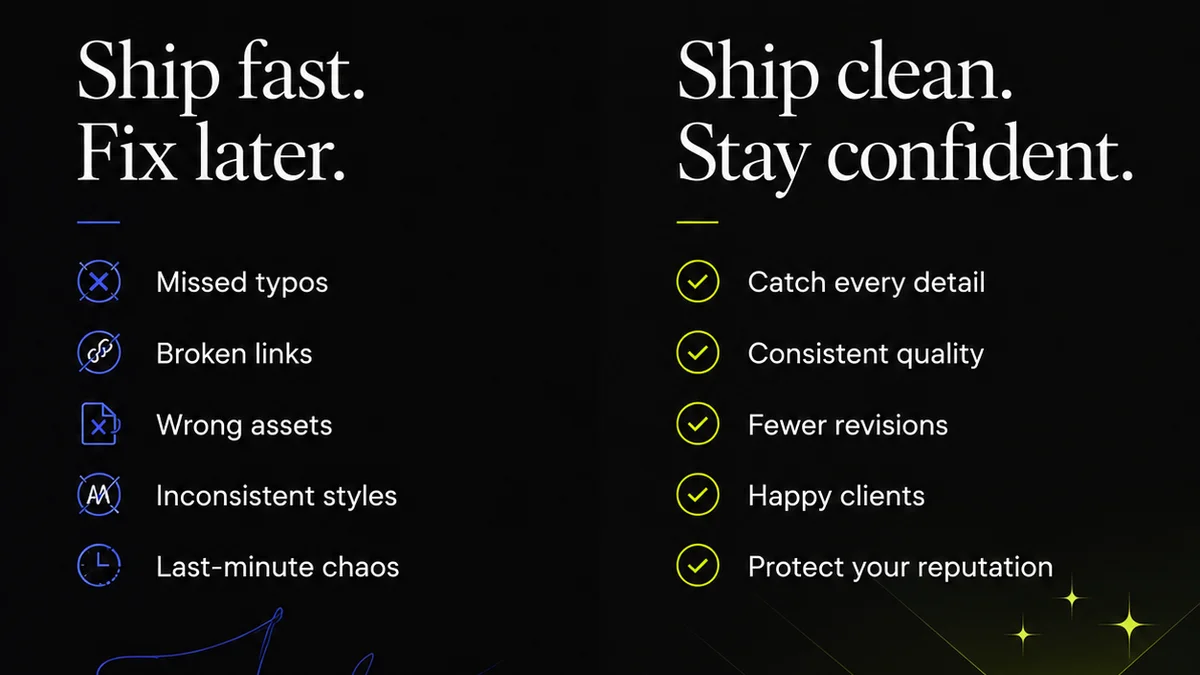
- Quality Checks: Ensure that the final output aligns with your established brand messaging guidelines. Catch inconsistencies before they go live.
Streamlining these processes means your carefully crafted message doesn't get lost or diluted in the execution phase.
6. Final Thought
Is your cybersecurity business treating brand messaging as a strategic investment or a tactical expense? The answer reveals a lot about your long-term growth potential.
What steps can you take today to ensure your messaging accurately reflects your value and resonates with your ideal customer?
Frequently asked questions
What is the typical cost range for initial brand messaging development for a cybersecurity startup?
For a cybersecurity startup, the initial investment for foundational brand messaging can range from $5,000 to $25,000. This often includes brand strategy discovery, developing a messaging framework, and creating core content assets, potentially with the help of freelancers or a small agency.
How does the complexity of cybersecurity offerings affect messaging costs?
The inherent complexity of cybersecurity solutions significantly impacts messaging costs. Explaining technical concepts like advanced threat detection or zero-trust architectures requires specialized knowledge, more research, and skilled copywriters, leading to higher expenses compared to simpler product messaging.
Is brand messaging a one-time cost, or does it require ongoing investment?
Brand messaging is not a one-time cost; it requires ongoing investment. The cybersecurity landscape evolves rapidly, necessitating regular reviews, updates to reflect new threats or solutions, and continuous content creation to maintain relevance and competitive positioning.
How can tools like Revue help manage the costs associated with brand messaging implementation?
Tools like Revue help manage messaging implementation costs by centralizing feedback, streamlining revision and approval processes, and ensuring quality checks. This reduces wasted time, minimizes errors, and prevents the dilution of your core message across various creative assets, ultimately saving resources and improving efficiency.