Everyone talks about brand messaging. For insurance, it’s often about trust, security, and peace of mind. We assume that if we say it enough, people will feel it. And that good messaging automatically translates to good business.
None of that is wrong. But it’s incomplete.
The hard truth for insurance marketers? The real ROI of brand messaging isn’t just about warm fuzzy feelings. It’s about measurable impact on customer acquisition, retention, and ultimately, profitability. It’s about operational efficiency and clear communication pathways.
1. The Fuzzy Math of Insurance Brand Messaging
Insurance is complex. Explaining policy benefits, navigating claims, and building long-term relationships requires clarity. Yet, many insurance brands rely on vague promises and emotional appeals without a clear line to their bottom line.
This leads to wasted spend. Messaging that doesn't resonate. Campaigns that fall flat.
You're throwing money at the wall hoping something sticks, instead of strategically investing in communication that drives tangible outcomes.
Common Pitfalls in Insurance Messaging
- Over-reliance on generic taglines.
- Ignoring the nuances of different customer segments.
- Failing to connect messaging to product benefits.
- Lack of clear calls to action.
- Inconsistent messaging across channels.
This isn't just bad marketing; it's bad business. It erodes trust and makes it harder to acquire and retain policyholders.
2. Defining Brand Messaging ROI in Insurance
ROI for brand messaging in insurance isn't about how many people *like* your ad. It's about how many people *act* because of it. It’s about measurable business outcomes.
Think of it this way: Is your messaging driving quote requests? Is it reducing customer service calls for common questions? Is it increasing policy renewals?
These are the metrics that matter. They show that your messaging isn't just noise; it's a revenue driver.
Key Performance Indicators (KPIs) for Messaging ROI
- Customer Acquisition Cost (CAC): How much does it cost to acquire a new policyholder through channels influenced by your messaging?
- Customer Lifetime Value (CLTV): Does clear, consistent messaging increase the value a customer brings over their entire relationship with your brand?
- Conversion Rates: Are specific messaging campaigns leading to more quote requests, policy applications, or upsells?
- Brand Recall and Recognition: While softer, these can be tracked and correlated with lead generation.
- Policy Retention Rates: Does effective messaging reinforce value and reduce churn?
- Net Promoter Score (NPS): Happy, understood customers are more likely to recommend.
Measuring these requires a clear understanding of your customer journey and how messaging impacts each stage.
3. The Operational Backbone: Connecting Messaging to Action
Effective brand messaging in insurance doesn't live in a vacuum. It needs to be supported by robust operational processes. This is where many insurance companies falter.
You can have the most brilliant tagline, but if your sales team can’t articulate the benefits behind it, or if your claims department delivers a poor experience that contradicts your brand promise, the messaging ROI plummets.
The Link Between Messaging and Operations
- Sales Enablement: Equip agents with clear talking points that align with brand messaging.
- Customer Service: Ensure support staff understand and can communicate policy details accurately and empathetically.
- Claims Process: A smooth, transparent claims experience is the ultimate brand message in action.
- Digital Experience: Website copy, FAQs, and online portals must reinforce brand promises consistently.
This operational alignment is critical for delivering on the promises your brand messaging makes.
4. Measuring the Impact: From Awareness to Action
How do you actually measure this? It requires a disciplined approach to tracking and analysis. It’s not just about one-off campaign reports; it’s about continuous assessment.
Start by segmenting your audience and your messaging. What works for a young family seeking renters insurance might not work for a retiree looking for Medicare supplements.
Tracking Strategies
- Attribution Modeling: Understand which touchpoints, including messaging, contribute to a conversion. This can be complex in insurance due to long sales cycles.
- A/B Testing: Test different messaging variations on landing pages, in emails, and in ad copy to see which performs better against specific KPIs.
- Customer Surveys: Directly ask customers how they heard about you and what influenced their decision.
- Website Analytics: Monitor traffic sources, bounce rates on key pages, and goal completions tied to messaging.
- CRM Data Analysis: Correlate lead sources and marketing efforts with policy sales and retention.
The goal is to move beyond vanity metrics and focus on data that directly impacts revenue and profitability.
5. Where Revue Fits In
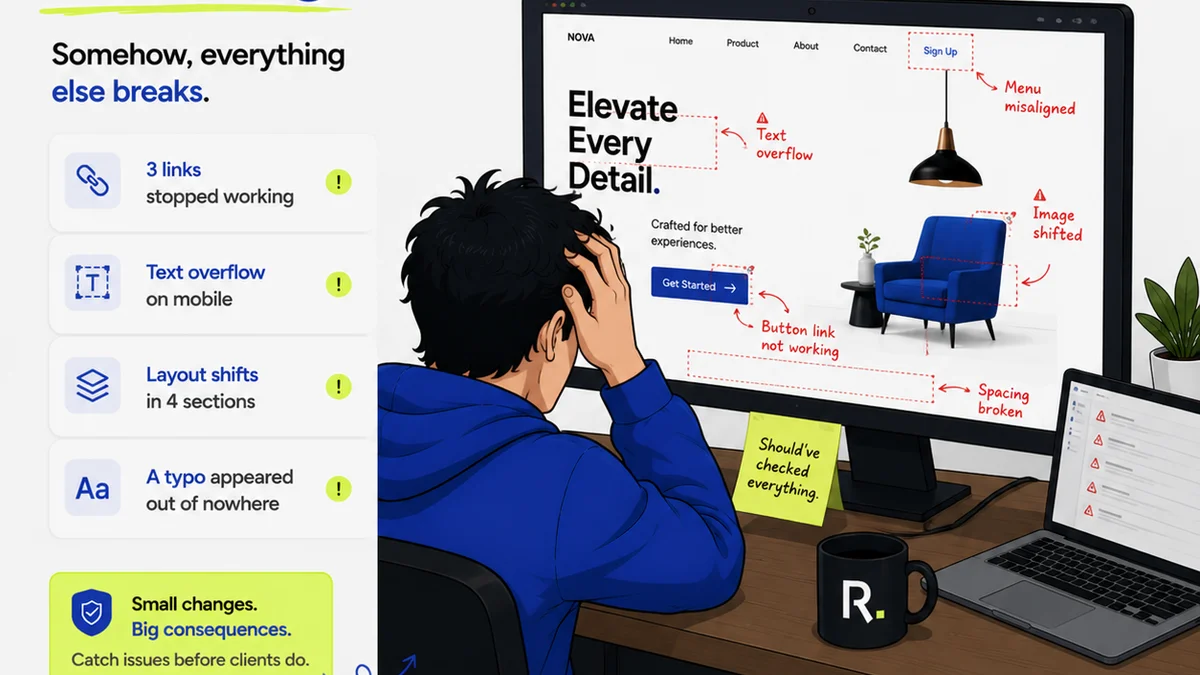
Managing client feedback and approvals for marketing collateral, website copy, and campaign assets is crucial for ensuring brand messaging consistency. When your team is constantly fielding feedback from multiple stakeholders across different channels, it’s easy for messages to get diluted or misaligned.
Revue provides a centralized platform to manage all creative assets and client feedback. This means:
- Centralized Feedback: All comments, revisions, and approvals for marketing materials live in one place. No more hunting through endless email chains or scattered documents.
- Version Control: Easily track changes and ensure the latest, approved messaging is always being used.
- Clear Approval Workflows: Define who needs to sign off on what, and when. This streamlines the process and reduces bottlenecks, ensuring brand consistency.
- Revision Visibility: Understand the history of changes and the rationale behind them, maintaining the integrity of your brand voice.
By streamlining these operational aspects of creative review, Revue helps ensure that the brand messaging you invest in is accurately reflected in the final output, directly impacting your ability to measure its ROI.
Final Thought
Is your insurance brand messaging driving measurable business results, or is it just a cost center? The distinction is critical for sustainable growth. It’s time to move beyond assumptions and demand concrete evidence of your messaging’s impact.
Frequently asked questions
What is brand messaging ROI in the insurance industry?
Brand messaging ROI in insurance refers to the measurable business outcomes generated by your communication efforts, beyond just brand awareness. It includes factors like reduced customer acquisition costs, increased customer lifetime value, higher conversion rates on quotes and policies, and improved retention rates, all directly attributable to your brand messaging strategy.
How can insurance companies measure the ROI of their messaging?
Insurance companies can measure messaging ROI by tracking key performance indicators (KPIs) such as Customer Acquisition Cost (CAC), Customer Lifetime Value (CLTV), conversion rates for specific campaigns, policy retention rates, and Net Promoter Score (NPS). Utilizing attribution modeling, A/B testing, customer surveys, and CRM data analysis are crucial for correlating messaging efforts with these business outcomes.
Why is operational alignment important for brand messaging ROI in insurance?
Operational alignment ensures that the promises made in brand messaging are consistently delivered through every customer touchpoint, from sales and customer service to claims processing and digital interactions. Without this, messaging can become ineffective or even counterproductive, undermining trust and diminishing any potential ROI. For example, if your messaging promises excellent claims support, but the claims process is slow and opaque, the ROI of that messaging is lost.
Can clear messaging reduce customer service costs for insurance providers?
Yes, absolutely. Clear, concise, and easily accessible brand messaging—especially in FAQs, website content, and policy documentation—can significantly reduce the volume of routine inquiries to customer service. When customers can find answers to common questions readily, it lowers operational costs and frees up service agents to handle more complex issues, directly contributing to a positive ROI on messaging content.