Everyone talks about brand positioning. They say it’s about finding your niche, defining your audience, and crafting a unique value proposition. None of that is wrong. But it’s incomplete.
The hard truth is, most agencies and in-house teams treat positioning as a one-off project, a strategic document to be filed away. The real value isn't in the document; it's in the relentless, day-to-day application of that strategy across every touchpoint.
1. Beyond the Buzzwords: What Positioning Actually Is
Brand positioning isn't just a pretty sentence in your marketing deck. It’s the deliberate, strategic act of shaping how your target audience perceives your brand relative to competitors. It’s about occupying a distinct and valuable mental space.
Think about it: What does your client’s brand *feel* like to their ideal customer? Is it the premium choice? The innovative disruptor? The reliable, no-nonsense option? That feeling, that perception, is the direct result of effective positioning.
Many services offer brand positioning, but their depth varies wildly. Some deliver a high-level overview. Others dive deep into market analysis, competitive landscapes, and consumer psychology. The best services don't just identify a position; they equip you to *own* it.
The Core Components of Strong Positioning
- A clear, differentiated target audience.
- A unique, compelling value proposition.
- A defined competitive set.
- A distinct brand personality and tone.
- Consistent messaging across all channels.
Without these, your positioning is just noise. It’s a vague aspiration, not a strategic advantage.
2. The Operational Pitfalls of Poor Positioning
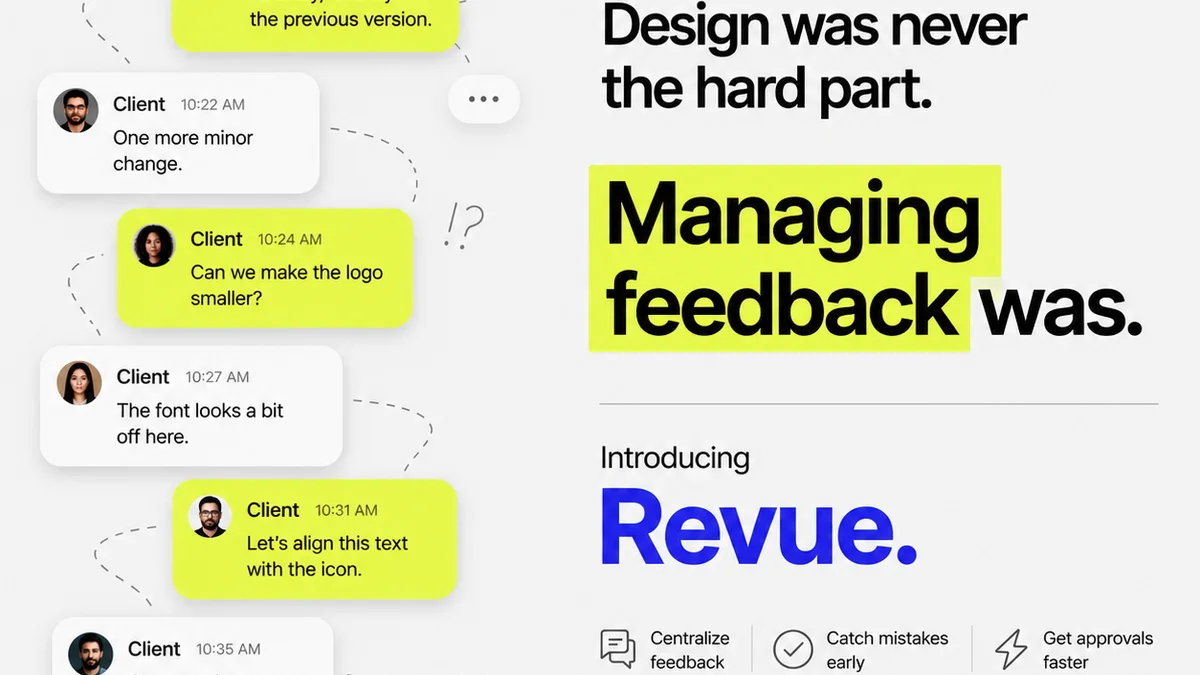
When positioning is weak or inconsistently applied, the operational fallout is predictable. Projects become mired in endless debates about
Frequently asked questions
What is the primary goal of brand positioning?
The primary goal of brand positioning is to establish a distinct and memorable perception of a brand in the minds of its target audience, differentiating it from competitors and highlighting its unique value.
How often should brand positioning be reviewed?
Brand positioning should be reviewed regularly, at least annually, or whenever there are significant market shifts, competitive changes, or shifts in company strategy. The market is dynamic, and positioning needs to adapt.
Can a small agency offer effective brand positioning services?
Yes, a small agency can offer effective brand positioning services by focusing on deep client understanding, rigorous research, and a clear, actionable strategy. Specialization can be a strength.
What's the difference between branding and positioning?
Branding encompasses all the elements that create a brand's identity (logo, voice, visuals). Positioning is the strategic act of defining where that brand sits in the market and in the consumer's mind relative to competitors.