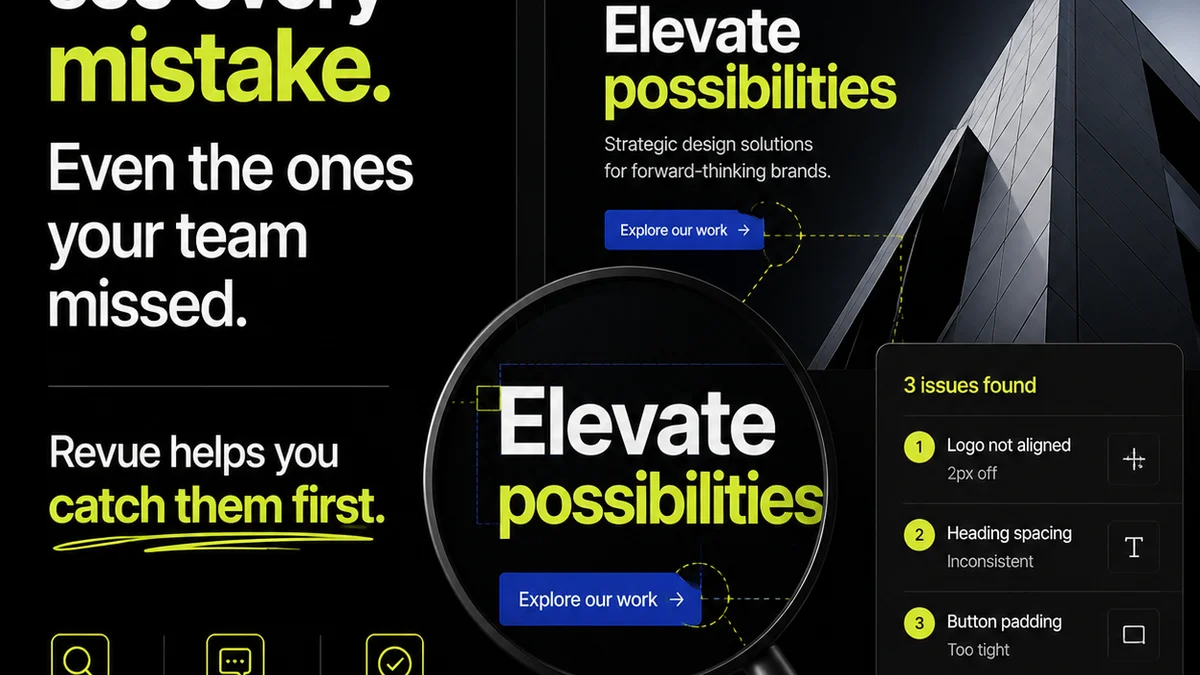
Everyone talks about brand reviews. They’re crucial for alignment, consistency, and client satisfaction. That much is obvious.
But the common approach? It’s often too focused on the superficial. The logo placement, the color palette, the tagline. None of that is wrong. But it’s incomplete.
The hard truth is that effective brand reviews are less about aesthetic judgment and more about operational rigor. They expose workflow gaps, communication breakdowns, and strategic misalignments that fester if left unchecked.
1. The Myth of the Quick Scan
Many teams treat brand reviews like a quick visual scan. A few people glance at the work, nod, and say “looks good.” This is a recipe for disaster.
It assumes everyone has the same understanding of the brand guidelines. It assumes everyone is looking for the same things. It assumes the brief was perfectly understood by everyone involved.
This superficiality allows subtle deviations to slip through. These small inconsistencies compound over time, diluting brand impact and creating internal confusion.
The Real Impact of Small Errors
- Inconsistent tone of voice across different touchpoints.
- Slight variations in logo usage that, over time, weaken brand recognition.
- Off-brand imagery choices that fail to resonate with the target audience.
- Incorrect application of typography that impacts readability and perceived professionalism.
These aren’t just design faux pas; they’re operational inefficiencies that cost time and money to fix later.
2. Operationalizing Brand Consistency
True brand consistency isn’t just about following a style guide; it’s about embedding that understanding into your team’s daily workflow. This means moving beyond static documents and into dynamic processes.
Brand guidelines are essential, but they need to be accessible, understandable, and actionable. Think of them less as a rulebook and more as a living operational manual.
Key Elements of Operationalized Branding
- Centralized Brand Assets: Easy access to approved logos, fonts, color palettes, and imagery is non-negotiable.
- Clear Communication Channels: Ensure feedback on brand application is directed and consolidated, not scattered across emails and Slack messages.
- Defined Roles and Responsibilities: Who is ultimately accountable for brand adherence at each stage?
- Regular Training and Refreshers: Keep the team updated on brand evolution and best practices.
When brand adherence becomes an operational habit, reviews shift from judgment to validation.
3. The Depth of a Thorough Brand Review
A deep brand review goes beyond the surface. It asks critical questions about strategic alignment, audience resonance, and adherence to the original brief.
It’s not just about whether the colors are right, but *why* those colors were chosen and if they still serve the strategic objective. It’s not just about the tagline’s spelling, but whether it effectively communicates the core message.
Questions to Ask During a Deep Review
- Does this work align with the project’s strategic goals and the overall brand strategy?
- Does it resonate with the intended target audience?
- Is the tone of voice appropriate and consistent with brand personality?
- Are all brand elements (logo, typography, color, imagery) used correctly and effectively?
- Does it meet the requirements outlined in the creative brief?
- Are there any potential legal or compliance issues related to brand usage?
This level of scrutiny requires more than a quick glance. It requires context, critical thinking, and a shared understanding of the brand’s purpose.
4. Establishing a Robust Brand Review Process
A structured process ensures that every piece of creative work is evaluated consistently and thoroughly. This isn't about bureaucracy; it's about building quality into your output.
Without a defined process, reviews become subjective, inconsistent, and prone to missed errors. Different team members will apply different standards, leading to confusion and rework.
Steps to a Better Review Process
- Pre-Review Checklist: Before any formal review, have creators self-assess against key brand criteria.
- Consolidated Feedback: Gather all feedback in one place. Avoid ad-hoc comments.
- Dedicated Reviewers: Assign specific individuals or a small group to conduct formal brand reviews.
- Clear Decision-Making: Establish a clear path for resolving conflicting feedback or making final approval decisions.
- Documentation: Record review outcomes and decisions for future reference and learning.
This systematic approach transforms brand review from a potential bottleneck into a quality assurance checkpoint.
5. Where Revue Fits In
Managing feedback and approvals for creative work, especially when brand consistency is paramount, can quickly become chaotic. Scattered comments across emails, Slack, and disparate documents make it impossible to track what’s been said, what’s been approved, and what brand guidelines were referenced.
Revue offers a centralized platform designed to bring order to this process. It allows you to consolidate all client and stakeholder feedback directly on the creative assets themselves.
This means no more hunting for that one crucial comment buried in an email chain. You get a clear audit trail of feedback, revisions, and approvals, ensuring that brand decisions are visible and accountable.
When you can see the entire revision history and all feedback in one place, it’s easier to ensure that brand standards are not just met, but consistently upheld throughout the project lifecycle. This visibility is key to preventing brand dilution and maintaining a high standard of creative output.
Final Thought
Are you treating brand reviews as a final polish, or as an integral part of your quality assurance and operational strategy? The difference impacts everything from client trust to your team’s efficiency.
Frequently asked questions
What's the biggest mistake agencies make with brand reviews?
The most common mistake is treating brand reviews as a superficial aesthetic check rather than a deep dive into operational consistency and strategic alignment. This leads to subtle errors that compound over time.
How can I ensure brand consistency across a project?
Ensure brand consistency by operationalizing brand guidelines: centralize assets, use clear communication channels for feedback, define responsibilities, and conduct regular training. A structured review process is also key.
What questions should be asked during a thorough brand review?
A thorough review asks: Does it align with strategy? Does it resonate with the audience? Is the tone of voice correct? Are all brand elements used properly? Does it meet the brief? Are there compliance issues?
How does a tool like Revue help with brand reviews?
Revue centralizes feedback and approvals directly on creative assets, providing a clear audit trail. This visibility ensures brand decisions are tracked and consistently upheld throughout the project lifecycle, preventing dilution.