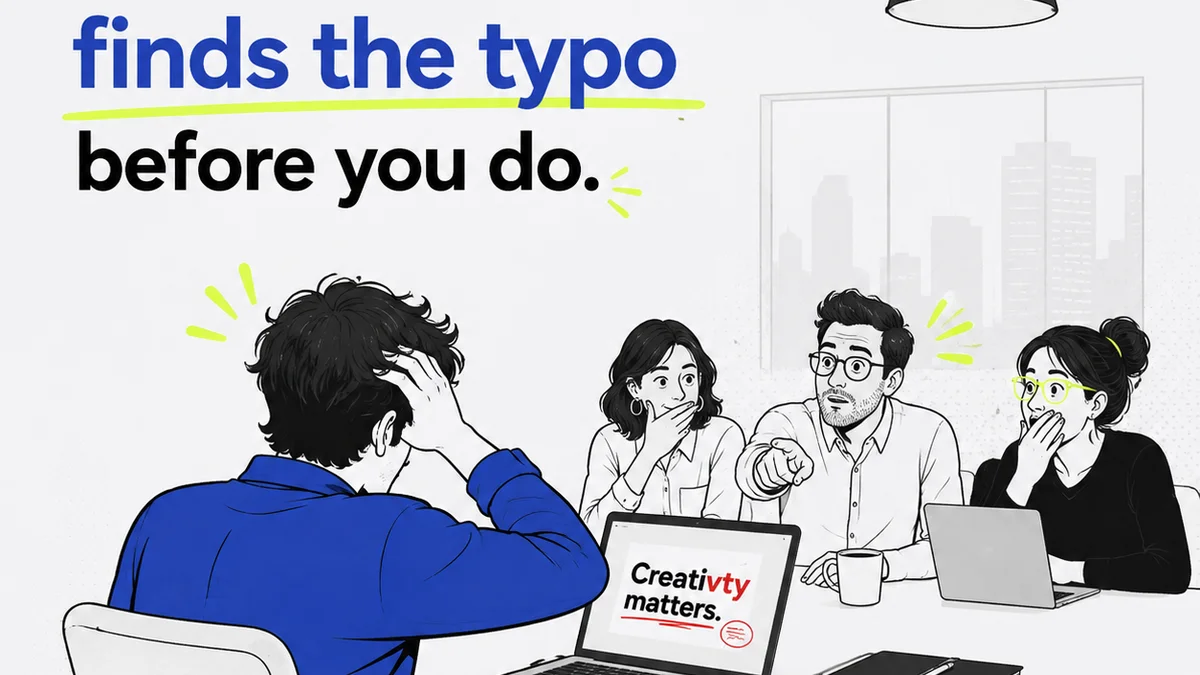
Everyone thinks they know what a brand review is. It’s the final look-over before launch, right? A quick check for typos, a glance at the logo, maybe a nod to the client. None of that is wrong. But it’s incomplete.
The hard truth is, a true brand review is an operational process, not just a final step. It’s about ensuring every touchpoint aligns with strategy, not just aesthetics. It’s about mitigating risk.
1. The Myth of the 'Gut Feeling' Review
We’ve all been there. A project is nearing completion, and someone on the team says, “Let’s do a quick brand review.” This often devolves into a subjective discussion about whether something *feels* right. This isn’t a review; it’s a coffee break.
This approach is dangerous because:
- It’s inconsistent. What feels right to one person might not to another.
- It’s subjective. It relies on individual taste, not objective criteria.
- It’s reactive. It only catches issues that happen to surface during a casual chat.
- It’s inefficient. It often leads to endless, circular feedback.
A real brand review needs structure. It needs criteria. It needs to be a deliberate part of your workflow.
2. Defining Your Brand Review Process
What does a rigorous brand review actually entail? It’s a systematic evaluation against established brand guidelines and strategic objectives. Think of it as quality control for your brand’s integrity.
2.1 Strategic Alignment
Does the work actually serve the business goals? A beautiful ad that doesn’t drive conversions is a failure. A sleek website that confuses users misses the mark.
Ask:
- What was the brief for this project?
- Does the final output directly address the brief’s objectives?
- Is the target audience clearly considered?
- Does the messaging resonate with their needs and our brand voice?
2.2 Brand Guideline Adherence
This is where many reviews stop. But it’s just one piece of the puzzle. Guidelines aren’t just about colors and logos; they’re about consistent expression.
Check:
- Logo usage (clear space, minimum size, correct variations)
- Color palette (primary, secondary, accessibility contrast)
- Typography (correct fonts, weights, sizes, hierarchy)
- Imagery and tone of voice (consistent style, appropriate language)
- Application across different mediums (web, print, social, etc.)
Adhering to WCAG guidelines for accessibility is also a crucial part of this. It ensures your brand is inclusive.
2.3 Stakeholder Requirements
Beyond the core brand, different stakeholders have specific needs. Legal, marketing, product teams – they all have their own checklists.
Consider:
- Legal disclaimers and compliance requirements.
- Marketing campaign tracking and analytics integration.
- Product feature accuracy and messaging.
- Client-specific approvals and sign-offs.
2.4 Technical Execution
A visually perfect design can be ruined by poor technical implementation. This is especially critical for digital products.
Evaluate:
- Website performance and loading speed.
- Responsiveness across devices and browsers.
- Usability and user experience (UX).
- Code quality and maintainability.
- Integration with existing systems.
3. Building Your Brand Review Checklist
A checklist transforms a vague concept into an actionable process. It ensures consistency and thoroughness, regardless of who is conducting the review.
Your checklist should be:
- Comprehensive: Cover all the areas defined above.
- Customizable: Adaptable to different project types.
- Accessible: Easy for the team to find and use.
- Version-controlled: Updated as brand guidelines evolve.
Here’s a simplified example structure:
| Area | Checkpoints | Status (Pass/Fail/N/A) | Notes |
|---|---|---|---|
| Strategic Alignment | Brief objectives met? Target audience considered? | ||
| Brand Guidelines | Logo correct? Colors accessible? Typography consistent? | ||
| Stakeholder Needs | Legal clear? Marketing requirements met? | ||
| Technical Quality | Responsive? Fast loading? User-friendly? |
This isn't about nitpicking. It's about safeguarding the brand's integrity and the project's success.
4. Integrating Brand Review into Your Workflow
The biggest mistake agencies and teams make is treating brand review as an afterthought. It’s not the final polish; it’s a critical phase that should be built in.
Where does it fit?
- Early & Often: Mini-reviews at key milestones (e.g., after wireframes, after initial mockups).
- Dedicated Phase: A specific, scheduled block of time before final delivery.
- As Part of Handoff: A mandatory step before passing assets to development or the client.
The timing depends on your team structure and project complexity. But it must be intentional.
4.1 Who Owns the Review?
This can vary. Sometimes it’s a dedicated brand manager. Other times, it’s the creative director or a senior designer.
Key is that the reviewer:
- Understands the brand strategy deeply.
- Is objective and detail-oriented.
- Has the authority to flag issues.
Avoid having the person who *created* the work be the sole reviewer. Fresh eyes are essential.
Where Revue Fits In
Managing feedback and revisions is central to any effective creative process, including brand review. When feedback is scattered across emails, Slack messages, and random comment threads, crucial details get lost. This makes a thorough brand review nearly impossible.
Revue provides a centralized platform for all client feedback and internal discussions. This means:
- Visibility: All comments and approvals are logged in one place, linked to specific assets.
- Context: Reviewers can see the entire history of feedback, ensuring consistency and preventing contradictory comments.
- Traceability: It’s clear who approved what, and when, which is vital for accountability during brand review.
- Streamlined Revisions: The revision and approval process becomes transparent, reducing back-and-forth and ensuring the final output meets all criteria.
By centralizing communication and approvals, Revue helps ensure that the final output has undergone a proper, documented brand review, not just a quick once-over.
5. Common Pitfalls and How to Avoid Them
Even with a process, things can go wrong. Be aware of these common traps.
- Scope Creep disguised as Feedback: A minor tweak request that fundamentally changes the strategy.
- Subjectivity Over Objectivity: Letting personal preferences override strategic goals.
- Skipping Steps: Rushing through the checklist to meet deadlines.
- Lack of Clear Ownership: No one is ultimately responsible for ensuring the review happens correctly.
- Outdated Guidelines: Reviewing against old rules.
Addressing these requires discipline and a commitment to the process. Regular training and process audits can help.
6. The Cost of a Poor Brand Review
What happens when brand review is treated lightly? The consequences can be severe.
- Brand Dilution: Inconsistent messaging weakens brand recognition and trust.
- Client Dissatisfaction: Rework and missed deadlines damage client relationships.
- Legal Repercussions: Non-compliance can lead to costly fines or lawsuits.
- Wasted Resources: Time and money spent on revisions that could have been avoided.
- Damaged Reputation: A poorly executed campaign reflects badly on both the agency and the client.
A robust brand review isn't an expense; it's an investment in protecting your clients' most valuable asset: their brand.
Final Thought
Is your brand review process a genuine safeguard, or just a polite formality? The difference lies in treating it as a critical operational function, not a cosmetic add-on. Are you building a process that truly protects and elevates the brands you work with, or just going through the motions?
Frequently asked questions
What is the primary goal of a brand review?
The primary goal of a brand review is to ensure that all creative output is strategically aligned with business objectives, adheres strictly to brand guidelines, meets stakeholder requirements, and is technically sound before final delivery or launch.
How often should brand reviews be conducted?
Brand reviews should be conducted at critical milestones throughout a project lifecycle, not just at the very end. This includes initial concept stages, design mockups, and pre-launch checks. Some teams also implement regular, periodic reviews of existing brand assets.
Who should be involved in a brand review?
Ideally, a brand review involves objective team members who understand the brand strategy and guidelines, such as a creative director, brand manager, or senior designer. It’s beneficial to include perspectives from different departments (e.g., marketing, legal) depending on the project.
How can a brand review process be made more efficient?
Efficiency is gained through standardization. Develop clear, comprehensive checklists, centralize all feedback and assets in a single platform like Revue, and integrate review steps directly into your project management workflow rather than treating them as an add-on.
What are the consequences of skipping or rushing brand reviews?
Skipping or rushing brand reviews can lead to brand dilution, inconsistent messaging, client dissatisfaction, legal issues due to non-compliance, wasted resources on costly revisions, and ultimately, damage to the brand's reputation and the agency's credibility.