Everyone thinks a campaign approval checklist is just a way to tick boxes. Get the client to sign off, move on. Simple, right?
None of that is wrong. But it’s incomplete.
The hard truth? A true campaign approval checklist isn't about closing the loop; it's about ensuring the work is actually *ready*. It’s a quality control gate, a risk mitigator, and a client confidence builder. When done right, it’s less about chasing signatures and more about perfecting the output.
1. The Myth of the Single Sign-Off
The biggest assumption is that approval is a single event. A client looks, a client likes, a client signs. This is a dangerous oversimplification.
Campaigns are complex. They involve multiple touchpoints, legal considerations, brand consistency checks, and performance metrics. A quick glance isn't enough.
Think about it:
- Has every single ad variation been checked?
- Are the landing pages live and functioning correctly?
- Does the copy adhere to brand voice and legal guidelines?
- Are tracking codes implemented and firing?
- Is the media plan aligned with the creative assets?
A simple sign-off often misses these critical details, leading to costly errors down the line.
2. Building Your Foundation: The Pre-Approval Checklist
Before the client even sees the work, your internal team needs a rigorous process. This is where the real quality control happens.
This pre-approval checklist should cover:
Brand Consistency
- Logo usage correct?
- Brand colors and typography applied accurately?
- Tone of voice consistent with brand guidelines?
- Product representation accurate?
Technical & Functional Checks
- Are all links working and directing to the correct URLs?
- Do landing pages load correctly across devices and browsers?
- Are image and video file formats correct and optimized?
- Is A/B testing setup correctly (if applicable)?
- Are UTM parameters or tracking codes correctly implemented?
- Does the creative meet platform-specific requirements (e.g., ad specs for Facebook, Google Ads)?
Content & Legal Review
- Has all copy been proofread for grammar and spelling errors?
- Does the copy align with the campaign brief and client objectives?
- Are all claims substantiated and legally compliant?
- Are all necessary disclaimers present and correctly formatted?
- Has an IP/copyright check been performed on any third-party assets?
Strategic Alignment
- Does the creative directly address the campaign brief?
- Are the key messages clear and prominent?
- Does the call-to-action (CTA) align with the campaign goal?
This internal checklist is your first line of defense. It catches errors before they escalate.
3. The Client-Facing Approval Checklist: Clarity and Collaboration
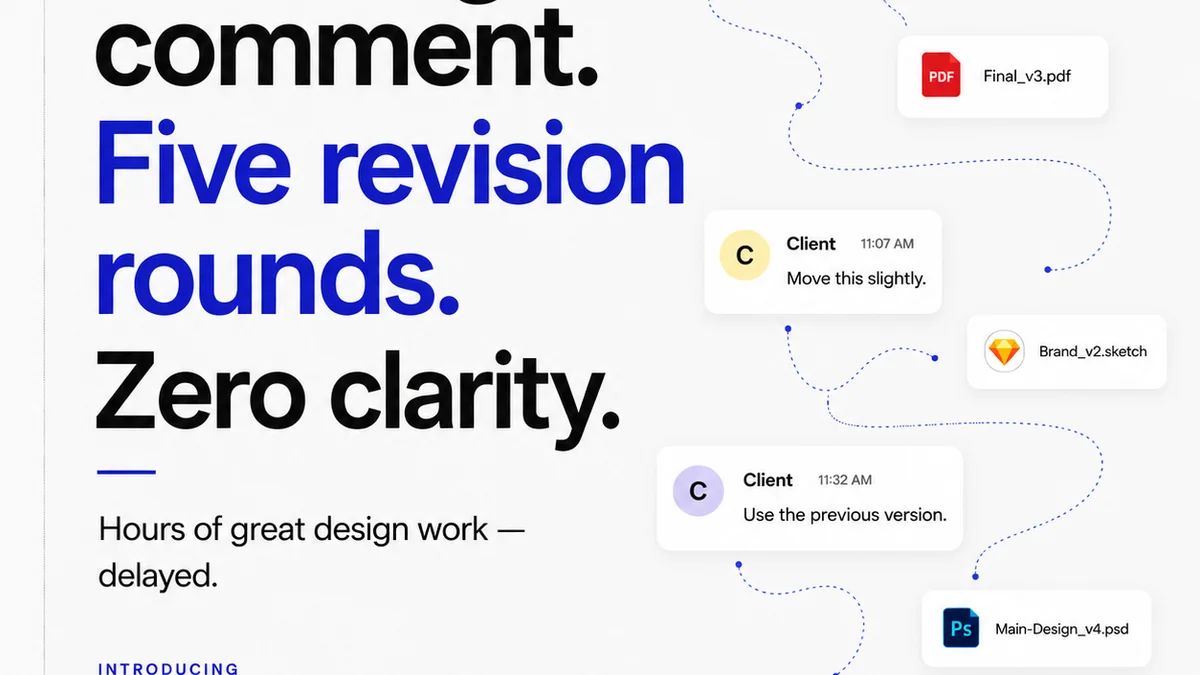
Once your internal checks are complete, the client-facing checklist comes into play. This isn't just about getting a 'yes'; it's about managing expectations and providing clear guidance.
The goal here is to ensure the client understands what they are approving and the implications of their decision.
Key Elements for Client Approval
- Clear Deliverables List: A precise list of every asset being presented for approval.
- Version Control: Clearly label each asset with its version number (e.g., v1, v2).
- Contextual Information: Briefly explain the purpose of each asset or set of assets within the broader campaign.
- Specific Questions: If there are particular areas needing client input, highlight them.
- Approval Criteria: Remind clients what constitutes approval (e.g., formal sign-off, email confirmation).
- Feedback Window: Clearly state the turnaround time expected for feedback and approval.
This stage requires transparency. If you’re using a tool for feedback, ensure the client knows how to use it and what information to provide.
A common mistake is presenting a large batch of assets without context. This overwhelms the client and increases the chance of subjective, unhelpful feedback.
4. Beyond the Sign-Off: Post-Approval Checks
The work is
Frequently asked questions
What are the essential elements of a campaign approval checklist?
An effective checklist includes internal pre-approval steps (brand consistency, technical checks, legal review, strategic alignment) and client-facing elements (clear deliverables, version control, contextual info, specific questions, approval criteria, and feedback windows).
Why is an internal pre-approval checklist so important?
It acts as a crucial quality control gate before client review. It catches errors related to brand, technical functionality, legal compliance, and strategic fit, preventing costly mistakes and rework later in the process.
How can a campaign approval checklist improve client relationships?
By providing clarity on what's being approved, managing expectations for feedback and revisions, and ensuring the final output meets high standards, the checklist builds trust and demonstrates professionalism, reducing misunderstandings and friction.
What should I do if a client provides feedback outside the approval checklist process?
Gently guide them back to the established process. Remind them of the agreed-upon feedback window and the best way to submit input (e.g., via the designated tool). If the feedback is critical, address it promptly but also consider how to reinforce the process for future campaigns.