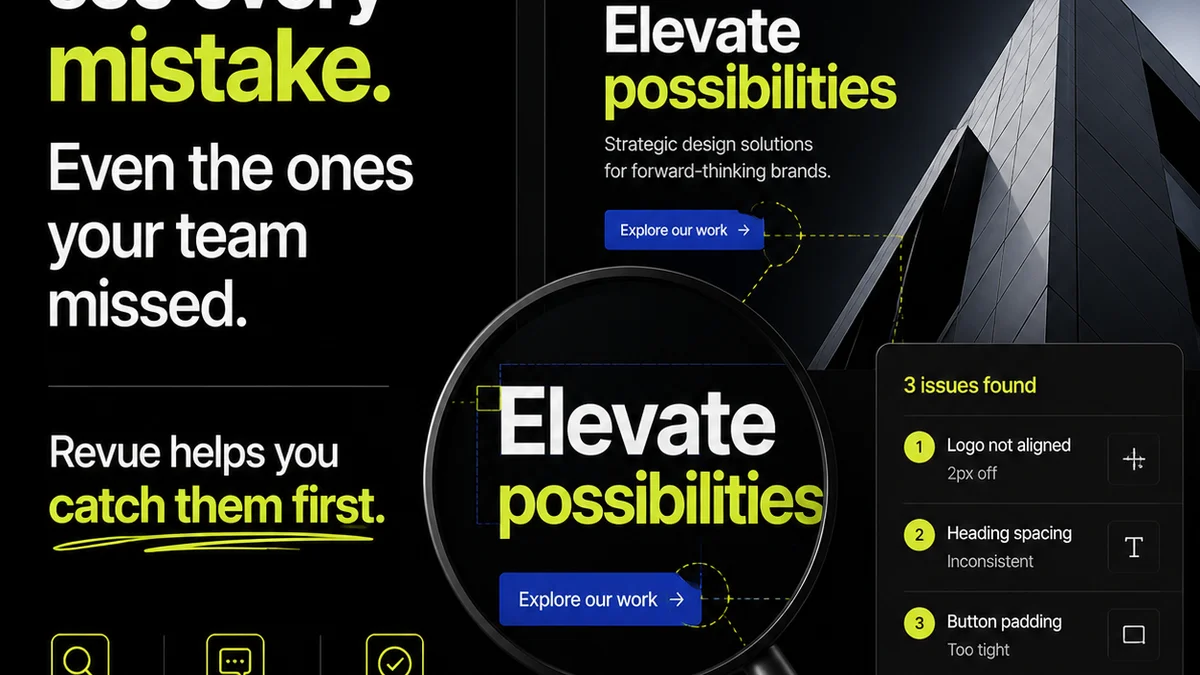
Everyone knows campaign Quality Assurance (QA) is important. You’ve probably heard it should be thorough. That it needs to cover all the bases.
None of that is wrong. But it’s incomplete.
The hard truth is that most agencies treat campaign QA as a checklist item, a final hurdle before launch. They assume a quick review by a junior team member or a cursory glance from the account manager is enough. This approach is a ticking time bomb for your agency’s reputation and your clients' budgets. A truly effective campaign QA process isn't about ticking boxes; it's about building a systematic defense against costly mistakes.
The Real Cost of a Bad QA Process
What happens when your campaign QA is weak? It’s not just a typo on a banner ad. It’s:
- Wasted ad spend on broken links or incorrect targeting.
- Brand damage from embarrassing errors in creative.
- Frustrated clients who question your attention to detail.
- Costly, last-minute fixes that disrupt launch timelines.
- Team burnout from constant firefighting.
These aren't minor inconveniences. They are direct threats to profitability and client trust.
1. Define Your QA Scope: What Are You Actually Checking?
Before you can build a process, you need to know what you're checking for. Campaign QA isn't a single, monolithic task. It's a series of checks across different deliverables and platforms.
Creative Assets
This is the most obvious part. Are images rendering correctly? Are videos playing? Is the copy accurate? But go deeper:
- Visual Consistency: Does it match brand guidelines? Are fonts, colors, and logos used correctly?
- Messaging Accuracy: Is the offer clear? Are the CTAs correct? Does it align with the brief?
- Technical Specifications: Are file formats, dimensions, and resolutions correct for each platform?
Media Placements & Targeting
This is where ad spend goes. Errors here are particularly expensive.
- Link Integrity: Does every link work? Does it go to the correct landing page? Are UTM parameters accurate and consistent?
- Audience Targeting: Is the campaign set up to reach the intended audience? Are exclusions correct?
- Budget & Bidding: Are daily/lifetime budgets set correctly? Are bidding strategies aligned with campaign goals?
- Placement Restrictions: Are there any sensitive content or site exclusions that need verification?
User Experience (UX) & Functionality
Especially crucial for landing pages, interactive ads, or anything with a user flow.
- Form Functionality: Do forms submit correctly? Are confirmation messages displayed?
- Cross-Browser/Device Compatibility: Does the experience hold up on major browsers and devices?
- Load Speed: Is the page or asset loading within acceptable timeframes? Slow load times kill conversions.
Compliance & Legal
Ignorance here can lead to significant penalties.
- Regulatory Adherence: Does the campaign comply with relevant laws (e.g., GDPR, CCPA, FTC guidelines)?
- Platform Policies: Does it meet the specific advertising policies of each platform (e.g., Google Ads, Facebook Ads)?
- Terms & Conditions: Are any necessary disclaimers or terms clearly visible and accurate?
2. Establish Clear Roles and Responsibilities
Who owns QA? The answer shouldn't be
Frequently asked questions
What is campaign QA?
Campaign QA (Quality Assurance) is the systematic process of reviewing and testing all components of a marketing campaign before launch to identify and correct errors, inconsistencies, and potential issues. This includes creative assets, targeting, links, functionality, and compliance.
Why is a strong campaign QA process important for agencies?
A strong QA process is crucial for agencies to prevent costly mistakes that waste ad spend, damage client brands, and erode trust. It ensures campaigns are delivered accurately, on time, and meet client objectives, thereby protecting the agency's reputation and profitability.
Who should be responsible for campaign QA?
Responsibility for campaign QA should be clearly defined. While a dedicated QA specialist is ideal, in smaller teams, it might involve the project manager, a senior creative, or a media buyer, with clear checks and balances. The key is clear ownership and accountability, not necessarily a single person.
How can technology help with campaign QA?
Technology like centralized feedback platforms (e.g., Revue) can streamline QA by providing a single source of truth for feedback, tracking revisions, and managing approvals. Automated testing tools can also check links, code, and functionality, reducing manual effort and human error.