Everyone in the agency world knows client campaign reviews. They’re the big meetings where the rubber meets the road. You present the creative, the client nods, maybe asks a few questions, and hopefully, signs off.
That’s the picture most people have. It’s not wrong, but it’s deeply incomplete.
The real value of a campaign review isn't just in getting approval. It's about the operational clarity, risk mitigation, and relationship-building that happens *before*, *during*, and *after* that formal presentation.
1. The Misconception: Reviews Are About Presenting the Final Product
Many teams treat campaign reviews as the grand unveiling. The work is done, polished, and ready for a thumbs-up. This mindset sets you up for disaster.
A review should never be the first time the client sees the *final* version of anything significant. It should be a confirmation point, not a discovery session.
If your review meeting is where the client first articulates major strategic concerns or aesthetic preferences that haven't been discussed, you've already lost.
The Hard Truth: Reviews Are About Alignment and De-Risking
The true purpose of a campaign review is to ensure mutual understanding and validate that the work delivered directly addresses the agreed-upon brief and objectives. It's a gate, yes, but a gate you should have already walked through with the client multiple times.
Think of it less as a presentation and more as a structured confirmation.
- Are we on strategy?
- Does this meet the core objectives?
- Is this within scope and budget?
- Are there any outstanding concerns?
Getting a 'yes' here should feel like a formality, not a victory against the odds.
2. The Operational Black Hole: Where Feedback Goes to Die
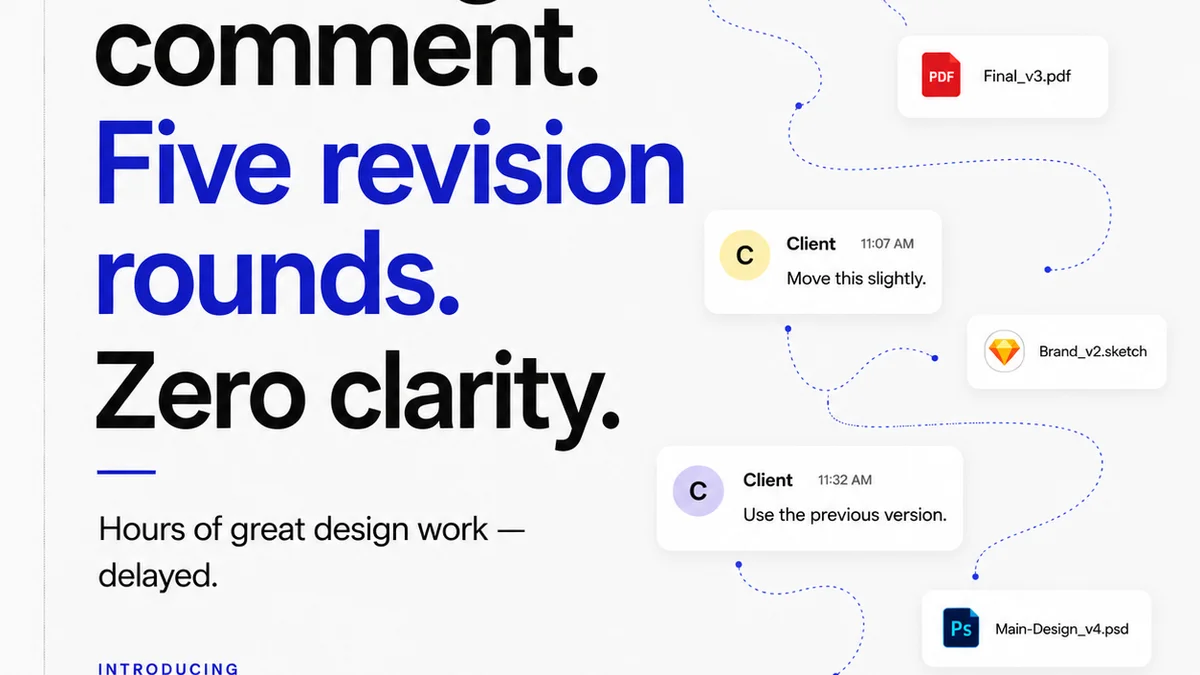
The biggest operational sin related to campaign reviews is the lack of a centralized, traceable feedback loop. Feedback comes in via email, Slack, carrier pigeon, whispered conversations in the hallway.
It’s then interpreted, sometimes misinterpetered, by account managers, project managers, and creatives.
This fragmented approach is a recipe for:
- Missed feedback.
- Conflicting instructions.
- Scope creep disguised as
Frequently asked questions
What is the primary goal of a campaign review?
The primary goal is to ensure mutual understanding and validate that the creative work aligns with the agreed-upon brief and objectives. It's a confirmation point, not a discovery session for major issues.
How can agencies prevent scope creep during reviews?
By establishing a clear feedback process *before* the review. Use a centralized system to track all feedback, ensure it's actionable, and directly linked to the brief. Any requests outside the original scope should be flagged for change orders.
What are the signs of a poorly managed campaign review process?
Signs include last-minute major client changes, confusion over who approved what, missed feedback, and repeated revisions. This often stems from a lack of a structured, traceable feedback system.
How does a centralized feedback tool help with campaign reviews?
Centralized tools provide a single source of truth for all feedback, revisions, and approvals. This transparency reduces miscommunication, ensures all comments are seen and addressed, and creates an auditable trail, making the formal review a much smoother confirmation.