Everyone says you need a great portfolio and a killer case study to pick a creative agency. That’s table stakes. A slick website and impressive past clients are a given.
But that’s not what separates the agencies that deliver from the ones that just talk a good game. It’s not about the agency’s creative output alone. It’s about their operational DNA.
The hard truth? The best agency for you isn't defined by its awards, but by its ability to integrate with your team, manage feedback effectively, and drive predictable results. It's about their process, not just their pixels.
1. Beyond the Pretty Pictures: Unpacking Process and Workflow
Your agency’s portfolio shows what they *can* do. Their workflow shows how they’ll do it *with you*. This is where many clients get it wrong, focusing solely on the final product and neglecting the journey.
A disorganized process leads to missed deadlines, scope creep, and a strained client-agency relationship. It’s a recipe for frustration, not great work.
Understanding Client Collaboration
How does the agency handle feedback? Do they have a structured system, or is it a free-for-all via email chains and scattered Slack messages? Look for clarity and defined touchpoints.
- Who is the main point of contact?
- What is their review and approval process?
- How do they handle conflicting feedback?
- What are their typical revision rounds, and how are additional rounds managed?
A good agency makes feedback easy and actionable. They don’t hide from it; they build systems to manage it. This is crucial for keeping projects on track and ensuring the final output truly meets your objectives.
Revision Management: The Unsung Hero
Revisions are inevitable in creative work. The question is, how are they managed? Are they documented? Is there a clear audit trail of changes made and why?
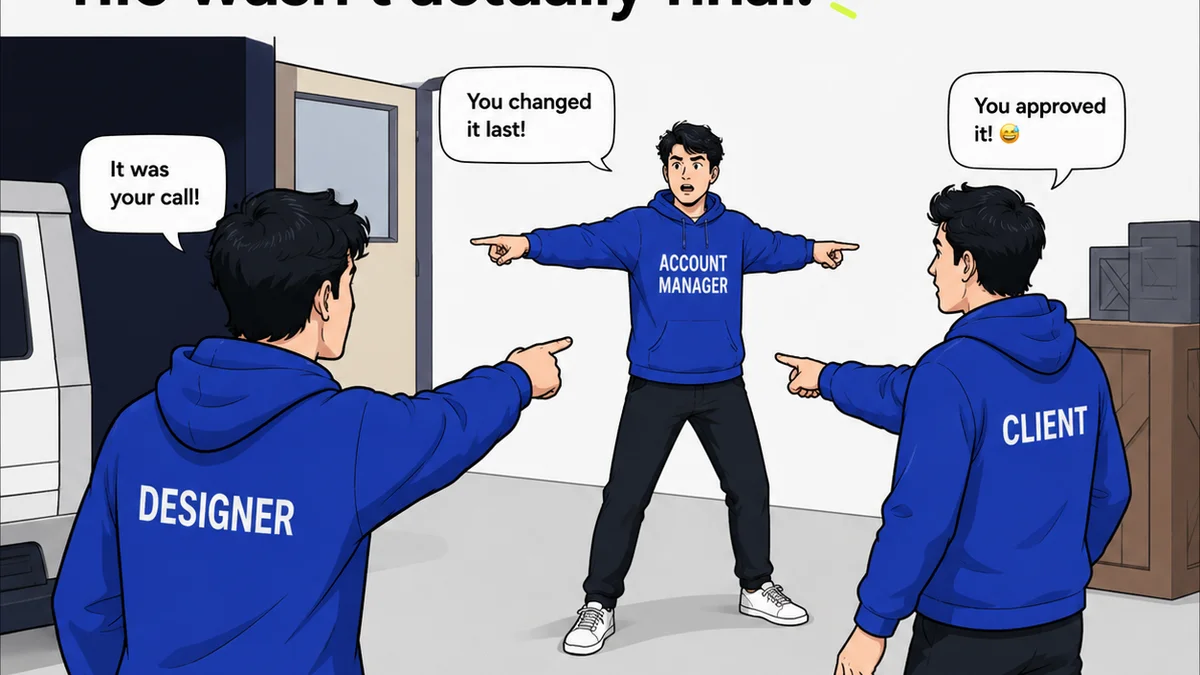
Agencies that excel have a system for tracking revisions. This isn’t just about accountability; it’s about learning and efficiency. It prevents the dreaded
Frequently asked questions
What's more important: portfolio or process?
While a strong portfolio showcases capability, a robust process is paramount for successful collaboration. A great portfolio without a solid workflow can lead to project delays and miscommunication. Focus on how an agency manages feedback, revisions, and communication to ensure a smooth and effective partnership.
How should an agency handle client feedback?
An effective agency has a structured system for receiving, organizing, and acting on client feedback. This often involves a dedicated platform or clear communication channels, ensuring feedback is documented, actionable, and tracked through the revision process. Avoid agencies that rely on scattered emails or informal messages.
What are signs of a good creative agency process?
Look for clear communication protocols, defined roles and responsibilities, structured feedback loops, transparent revision tracking, and a proactive approach to project management. An agency that prioritizes these elements is more likely to deliver on time and within scope.
How can I assess an agency's operational efficiency?
Ask detailed questions about their project management tools, feedback mechanisms, and revision handling. Request to see examples of their project timelines or workflow diagrams. Discuss how they manage scope creep and ensure clear communication throughout a project.