Everyone thinks choosing a design system agency is about finding the best designers. Or maybe the cheapest. Or the one with the slickest portfolio.
None of that is wrong. But it’s incomplete.
The hard truth is that a design system isn't just a collection of UI components. It’s a product. And building a successful product requires more than just aesthetics. It demands strategic thinking, robust processes, and a deep understanding of your business goals.
1. Beyond Pixels: Understanding Your 'Why'
Before you even look at an agency's website, get brutally honest about why you need a design system. Is it to:
- Scale design and development efforts faster?
- Ensure brand consistency across an expanding product suite?
- Reduce design and engineering debt?
- Improve accessibility and user experience?
- Onboard new team members more efficiently?
Your 'why' dictates the kind of agency you need. A team focused purely on visual polish won't help if your core problem is inefficient development workflows.
Look for agencies that ask you about your business objectives first. They should be probing your current challenges, not just asking for a list of components you want.
The Strategic Partner vs. The Component Factory
A strategic partner will help you define the scope and goals of your design system based on your business needs. They'll talk about governance, adoption strategies, and long-term maintenance.
A component factory will just build you a library. That’s a start, but it’s rarely the end game.
2. Assessing Technical Depth and Scalability
A design system is code as much as it is design. The agency must have engineers who understand front-end frameworks, component libraries, and build processes.
Ask about their experience with:
- Specific front-end technologies (React, Vue, Angular, Web Components).
- Component library best practices (e.g., Storybook, design tokens).
- Cross-browser and cross-platform compatibility.
- Automated testing and CI/CD pipelines.
- Accessibility standards (WCAG 2.1 AA or higher).
A strong design system agency has a symbiotic relationship between designers and developers. They don't operate in silos.
The 'Design Only' Trap
Hiring a design-only agency means you’ll likely have to bridge the gap to development yourself. This often leads to friction, misinterpretations, and a system that doesn’t quite work in practice.
The best agencies integrate design and engineering from day one. They speak the same language and anticipate technical constraints.
3. Evaluating Process and Collaboration
How does the agency work? Their process should be as robust as their output.
Inquire about:
- Their discovery and research methodologies.
- How they approach documentation.
- Their feedback and iteration loops.
- How they handle versioning and releases.
- Their approach to onboarding and training your internal teams.
Transparency is key. You should have visibility into their progress and feel like a collaborative partner, not just a client waiting for deliverables.
Communication Breakdown is Fatal
Poor communication leads to scope creep, missed deadlines, and a design system that doesn't meet your needs. The agency should have a clear communication plan and use tools that facilitate collaboration.
Look for teams that are proactive in sharing updates and insights. They should be comfortable discussing challenges and proposing solutions.
4. Understanding Governance and Adoption
A design system is a living entity. It needs rules, ownership, and a plan for how it will be used and maintained.
The agency should:
- Help you define governance models (e.g., centralized vs. decentralized).
- Advise on contribution guidelines.
- Develop strategies for driving adoption across your organization.
- Outline a roadmap for future iterations and maintenance.
This is where many projects fail. Building the system is one thing; ensuring it's actually used and evolves effectively is another.
The Ghost System
Without a clear governance and adoption strategy, your beautiful new design system will likely gather digital dust. It becomes a relic, not a tool.
The agency should leave you with a clear understanding of how to manage and grow the system post-launch.
5. Where Revue Fits In
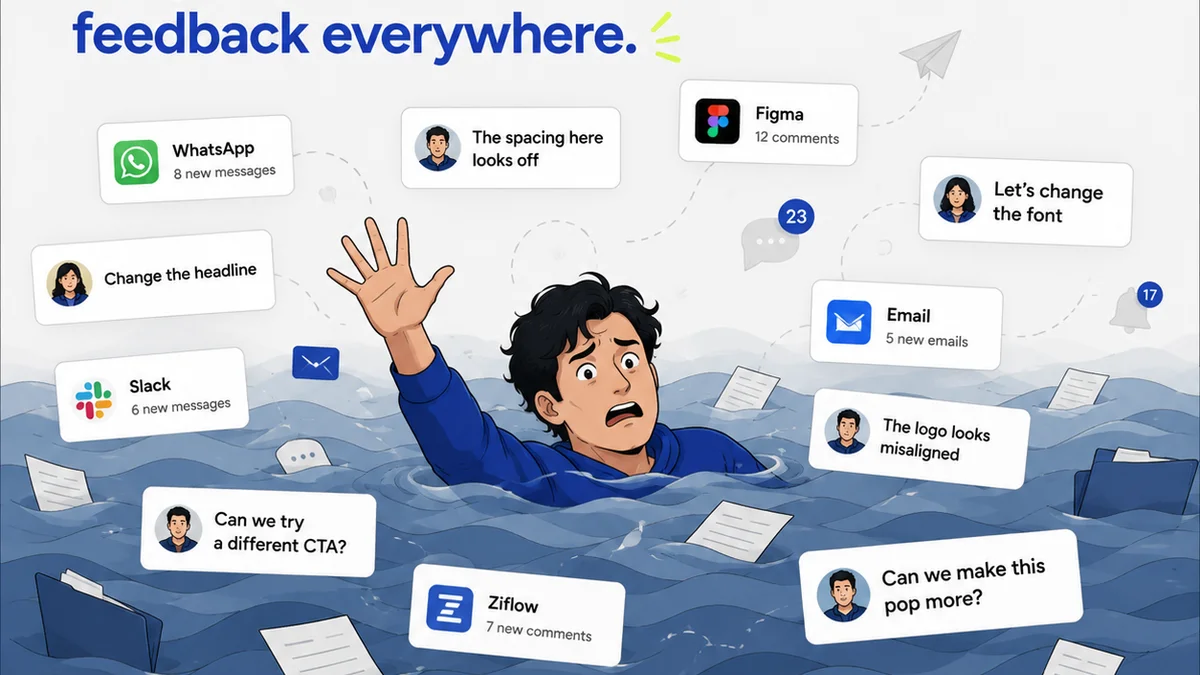
Building and maintaining a design system involves constant feedback, revisions, and quality checks. Managing this process manually across multiple teams and projects can quickly become chaotic.
This is where a platform like Revue becomes essential. It provides a centralized hub for:
- Client Feedback: Streamline the collection of feedback on design components and system updates from stakeholders.
- Revision Management: Track changes, manage different versions of components, and ensure everyone is working with the latest approved assets.
- Approval Workflows: Establish clear approval processes for new components or system changes, ensuring alignment before implementation.
- Quality Assurance: Integrate checks and balances to ensure components meet accessibility, performance, and brand standards before they are deployed.
An agency that understands the operational challenges of design systems will appreciate how tools like Revue can support their work and ensure the long-term success of the system they build for you.
6. Final Thought
Choosing a design system agency isn't just about finding talent. It's about finding a partner who understands your business, your technology, and your long-term vision. Are you looking for a vendor, or a true collaborator?
Frequently asked questions
What is the most important factor when choosing a design system agency?
Beyond technical skill, the most critical factor is their ability to act as a strategic partner. They should understand your business goals and help you build a system that solves your specific problems, not just create a pretty UI kit.
Should I prioritize design or development expertise in an agency?
You need both. A strong design system agency integrates design and engineering seamlessly. Look for teams where designers and developers collaborate closely from the outset to ensure the system is both aesthetically sound and technically feasible.
How can I ensure a design system is adopted by my team?
Adoption requires a clear strategy. The agency should help you define governance, provide excellent documentation, and develop a plan for training and ongoing support. A system that's hard to use or understand won't get adopted.
What questions should I ask about an agency's process?
Ask about their discovery phase, how they document components, their feedback and iteration cycles, and how they handle versioning and releases. Transparency and collaboration in their process are vital.