Everyone thinks choosing an illustration agency is about spotting the most talented artists. That's a starting point, sure. But it’s not the whole story.
Talent is table stakes. The real challenge is finding an agency that integrates seamlessly with your team, understands your project's unique demands, and consistently delivers on time and on budget. That's the harder, more crucial truth.
1. Define Your Needs Beyond 'Cool Art'
Before you even look at portfolios, get brutally honest about what you actually need. 'Cool art' is subjective. What's the *business* objective?
What's the Project Goal?
Are you building a brand identity? Illustrating a children's book? Creating marketing assets for a SaaS product? Each requires a different style, a different approach, and a different type of illustration agency.
Consider the end-user. Who are they? What resonates with them?
What's Your Budget and Timeline?
Be realistic. High-end, bespoke illustration takes time and costs money. Agencies that can turn around complex projects quickly often have established processes and teams, which comes at a price.
Don't waste your time or theirs by looking at agencies that are clearly out of your budget or timeline range.
What's Your Communication Style?
Do you prefer hands-off delegation or deep collaboration? Some agencies thrive on clear briefs and minimal input, while others want to be involved in every step. Know yourself.
2. The Portfolio Deep Dive: Beyond the Pretty Pictures
You’ve seen portfolios. They’re filled with stunning visuals. But you need to look deeper than just the surface appeal.
Look for Consistency and Versatility
Does the agency showcase a range of styles, or are they a one-trick pony? While specialization can be good, you need to know they can adapt if your project evolves.
Pay attention to the *quality* of the work, not just the *quantity*. Are there any rough edges? Inconsistent linework? Off-kilter compositions?
Examine the Process, Not Just the Product
Good agencies will show their work. Look for case studies or process breakdowns. How did they arrive at the final illustration? What were the stages?
- Concept development
- Sketching and refinement
- Color exploration
- Final rendering
- Asset delivery
This tells you about their methodology and how they handle feedback.
Check for Client Testimonials and Case Studies
What are past clients saying? Look for consistent themes in their praise. Does it mention reliability? Communication? Problem-solving?
Red flags include vague praise or a lack of detailed case studies. If they only show the final product without context, they might be hiding a messy process.
3. Evaluating Agency Operations: The Engine Under the Hood
This is where most clients fall short. They focus on the art, not the operational capacity to produce it reliably.
How Do They Handle Feedback and Revisions?
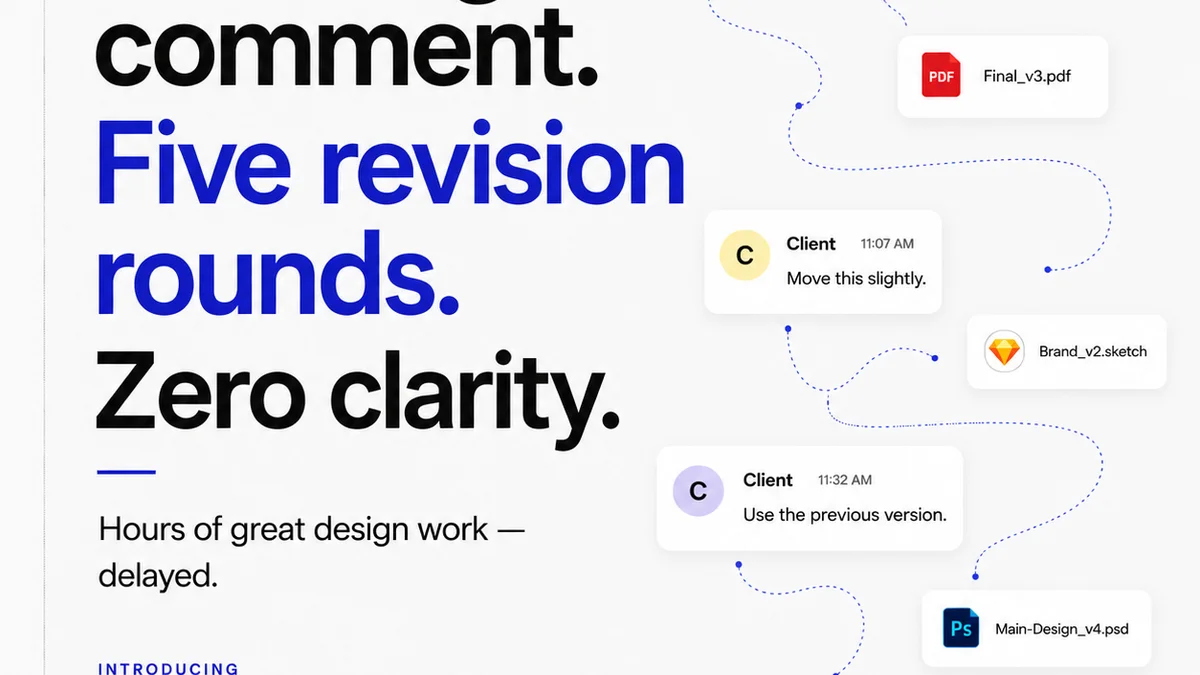
This is critical. Ask them directly about their revision process. How many rounds are included? What's the process for exceeding that?
A clear, structured feedback loop prevents scope creep and miscommunication. Agencies that embrace this are worth their weight in gold.
What's Their Project Management Like?
How do they track progress? How do they communicate updates? Do they use project management tools?
A disorganized agency will lead to missed deadlines and missed requirements. You need an agency that operates with as much professionalism as you do.
Who Will Actually Be Working on Your Project?
Is the star artist you saw in the portfolio going to be doing the work, or will it be a junior artist learning the ropes? Be clear about resource allocation.
Some agencies operate like a collective where you might work with different artists. Others have a core team. Understand the structure.
4. The Discovery Call: Beyond the Pitch
The initial calls are often sales pitches. You need to turn them into genuine discovery sessions.
Ask Probing Questions
Don’t just ask
Frequently asked questions
What's the difference between hiring a freelance illustrator and an illustration agency?
A freelance illustrator is an individual artist. An illustration agency is a team or collective, often with project managers, account handlers, and multiple artists. Agencies typically offer more robust project management, scalability, and a wider range of specialized skills, but may come at a higher cost.
How can I ensure an illustration agency understands my brand identity?
During the discovery phase, provide a comprehensive brand guide. Ask the agency to present initial concepts that reflect your brand's tone and style. Look for agencies that ask detailed questions about your brand values and target audience.
What should I do if an illustration agency's work isn't meeting my expectations?
Refer to your contract and the agreed-upon revision process. Communicate your concerns clearly and specifically, referencing the brief and any prior feedback. If issues persist, you may need to escalate within the agency or consult your contract for dispute resolution.
How important is an agency's location when choosing one?
In today's digital world, location is often less important than an agency's workflow, communication style, and ability to deliver remotely. Many successful collaborations happen across different time zones, provided clear communication channels are established.