Everyone thinks picking a brand messaging agency is about finding the one with the flashiest portfolio or the most awards. That’s the surface-level story. It’s what agencies want you to believe. And it’s what many insurance brands fall for.
But it’s incomplete. Dangerously so.
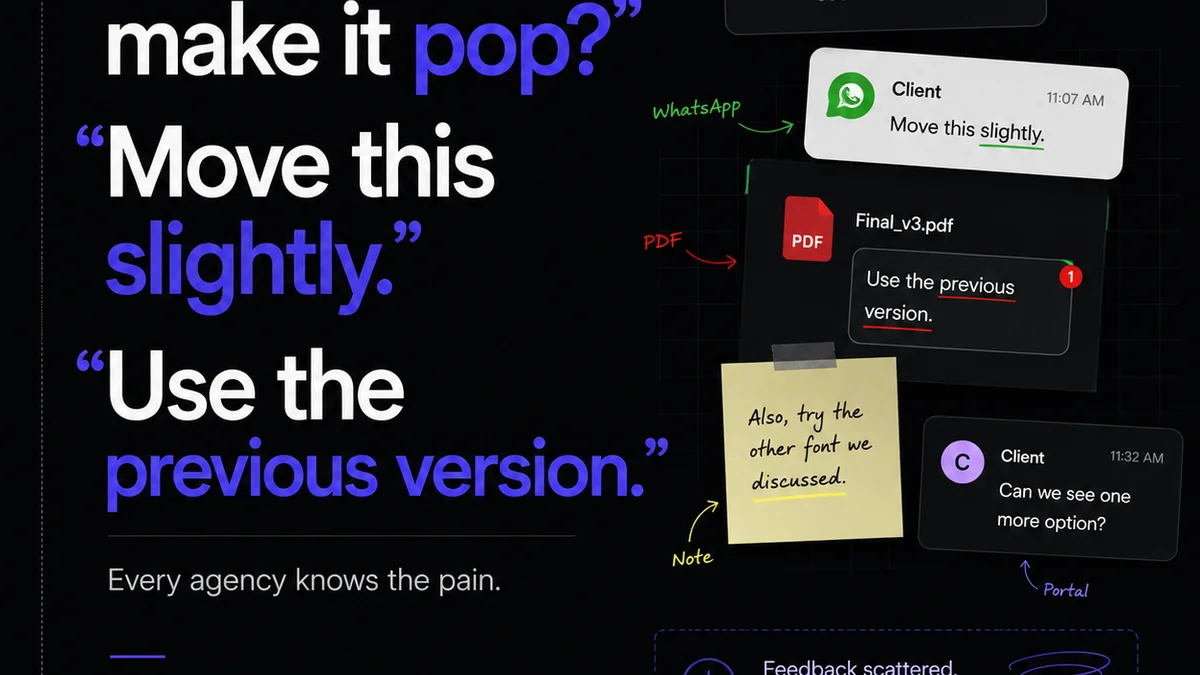
The real challenge isn’t finding an agency that *talks* a good game. It’s finding one that can actually *execute* complex, nuanced brand messaging for a regulated industry like insurance. It’s about operational rigor, not just creative flair. And that rigor is most visible in how they manage feedback, revisions, and quality checks.
1. Beyond the Buzzwords: Defining Your Insurance Brand Messaging Needs
Insurance is a tough sector for branding. You’re selling trust, security, and peace of mind. But you’re also dealing with complex products, strict regulations, and often, a perception of being… well, a bit dry. Your brand messaging needs to cut through that noise.
This isn’t about slapping a new tagline on your website. It’s about weaving a consistent, compelling narrative across every touchpoint. From your policy documents to your social media ads, from your agent training to your customer service scripts.
What Does 'Brand Messaging' Really Mean for Insurance?
- Core Value Proposition: What unique benefit do you offer that competitors don’t? Is it price, service, specific coverage, or something else?
- Target Audience Resonance: Who are you talking to? Millennials buying their first home? Retirees seeking security? Small business owners? Your language must adapt.
- Regulatory Compliance: Every word must be legally sound. This isn’t optional; it’s the bedrock.
- Emotional Connection: Insurance is an emotional purchase. How do you build trust and empathy through words?
- Clarity and Simplicity: Can you explain complex insurance products in plain English? This is a massive differentiator.
Most agencies will nod along. Few have the operational muscle to deliver on all of this consistently, especially under the scrutiny of compliance and the need for clarity.
2. The Agency Audit: Look Past the Pitch Deck
Forget the glossy case studies for a moment. They’re curated highlights. What you need to understand is the *process*. How does the agency actually *work*? Especially when things get tough.
Because in insurance, things *always* get tough. Legal reviews, compliance checks, internal stakeholder disagreements, and the sheer complexity of the product itself. How does the agency navigate this?
Questions That Matter More Than Their Awards
- Feedback Loops: How do they collect, organize, and act on client feedback? Is it a chaotic email chain or a structured system?
- Revision Management: Can they track changes, manage multiple versions, and ensure everyone is working off the latest iteration?
- Approval Workflows: How do they get sign-off from legal, compliance, marketing, and product teams? Is it a bottleneck or a smooth process?
- Quality Assurance: What checks are in place to ensure accuracy, consistency, and compliance before anything goes live?
- Team Structure: Who will actually be working on your account? Are they subject matter experts in insurance, or generalists?
If an agency fumbles these questions, their creative output, no matter how brilliant, will eventually crumble under the weight of practical reality. This is where many agencies fail insurance clients.
3. Vetting Expertise: Insurance Acumen vs. General Creative Talent
Many agencies are fantastic at branding. They can craft beautiful campaigns for fashion brands or tech startups. But insurance is a different beast entirely.
You need an agency that understands the nuances of your industry. They need to grasp the terminology, the regulatory landscape, and the psychology of your customer. Without this, their messaging will be generic, or worse, inaccurate.
Signs of True Industry Understanding
- Specific Insurance Case Studies: Not just
Frequently asked questions
What are the key differences in branding for insurance compared to other industries?
Insurance branding requires a strong emphasis on trust, security, and clarity due to the complex nature of products and regulatory oversight. Unlike more visually driven industries, insurance relies heavily on clear, compliant, and empathetic communication to build confidence and explain value.
How important is regulatory compliance in insurance brand messaging?
Regulatory compliance is paramount. Every piece of brand messaging must adhere to strict industry regulations and legal standards. Failure to do so can result in significant fines, legal action, and damage to reputation. An agency must have robust processes to ensure compliance.
Should I prioritize creative agencies with insurance experience or general creative agencies?
Prioritize agencies with demonstrable insurance industry experience. While general creative agencies may have strong portfolios, they often lack the specific understanding of insurance products, regulations, and customer psychology. Industry expertise ensures messaging is accurate, relevant, and compliant.
How can I assess an agency's feedback and revision process?
Ask for details on their workflow. Inquire about how they collect, track, and implement client feedback. Understand their version control system and how they manage approvals from legal, compliance, and other stakeholders. A structured, transparent process is crucial.