Everyone says you need a project management agency to handle your creative work. They talk about timelines, budgets, and communication. None of that is wrong. But it’s incomplete.
The hard truth? Most agencies *say* they manage projects. Few actually *master* it. And even fewer can integrate seamlessly with your existing team and client workflows.
Choosing the right partner isn't about finding someone who can tick boxes. It's about finding an extension of your own team—one that brings clarity, control, and a shared commitment to quality. Here’s how to look beyond the pitch deck.
1. Define Your Actual Need, Not Just a Service
Before you even look at agencies, get brutally honest about what’s broken. Is it scope creep? Missed deadlines? Client frustration? Budget overruns? Lack of visibility?
Your specific pain points will dictate the kind of project management support you truly need. Don't just ask for 'project management.' Ask for solutions to these problems:
- End-to-end process oversight
- Client feedback consolidation
- Revision tracking and approval workflows
- Resource allocation and capacity planning
- Risk identification and mitigation
- Quality assurance gates
A good agency will probe these issues. A great one will have a clear methodology tailored to solve them.
2. Look for Process Rigor, Not Just Tools
Agencies love to talk about their tech stack. Asana, Monday.com, Jira, Wrike – the list goes on. Tools are important, but they are only as good as the processes they support.
A robust project management agency doesn't just use software; they have a codified, repeatable process that leverages the software. Ask them to walk you through their workflow for a typical project, from kickoff to final delivery.
Key Process Questions:
- How do you handle initial brief intake and client onboarding?
- What is your system for task assignment, tracking, and status updates?
- How is client feedback collected, organized, and communicated to the creative team?
- What does your revision and approval process look like? How do you prevent endless loops?
- How do you manage scope changes and ensure they are properly documented and approved?
- What are your quality assurance steps before delivering final assets?
The answers should reveal a structured, logical flow, not a series of ad-hoc decisions.
3. Assess Their Understanding of Creative Workflow
This is where many generalist project management firms fall short. They understand Gantt charts, but not the inherent messiness of creative work. They treat design like building a bridge.
A project management agency that *gets* creative needs to understand:
- The iterative nature of design and content creation
- The subjective element of feedback and how to contextualize it
- The importance of creative briefs and how to ensure they are followed
- How to balance client demands with creative integrity
- The technical requirements of various creative outputs (web, print, video, etc.)
Look for an agency that speaks your language. They should understand concepts like mood boards, wireframes, design iterations, and stakeholder reviews without needing a lengthy explanation.
4. Evaluate Their Communication and Collaboration Style
You’re not just hiring a service; you’re bringing on a partner. Their communication style matters immensely.
Consider:
- Transparency: Do they provide clear, real-time visibility into project status, potential roadblocks, and budget tracking?
- Proactivity: Do they anticipate issues and bring solutions, or just report problems?
- Responsiveness: How quickly do they acknowledge and act on requests or concerns?
- Client Handling: How do they manage client communication? Are they diplomatic, clear, and firm when necessary?
- Team Integration: How will they integrate with your internal team? Will they use your tools, or require you to adopt theirs?
A truly effective project management agency acts as a bridge, not a barrier, between your team, your clients, and the project goals.
5. Scrutinize Their Track Record and References
Anyone can build a slick website. Dig deeper.
Ask for case studies that directly relate to your industry or the types of projects you manage. Pay attention to the results they claim. Are they specific and quantifiable?
Crucially, ask for client references. And don't just take their word for it. Call those references. Ask them about:
- Their experience with the agency's project management process
- How the agency handled challenges or unexpected issues
- The impact the agency had on project success (timeliness, budget, client satisfaction)
- Would they hire them again? Why or why not?
This due diligence is non-negotiable.
Where Revue Fits In
Managing creative projects effectively requires more than just scheduling. It demands a centralized hub for all project-related activity. This is where a tool like Revue becomes critical for agencies and internal teams.
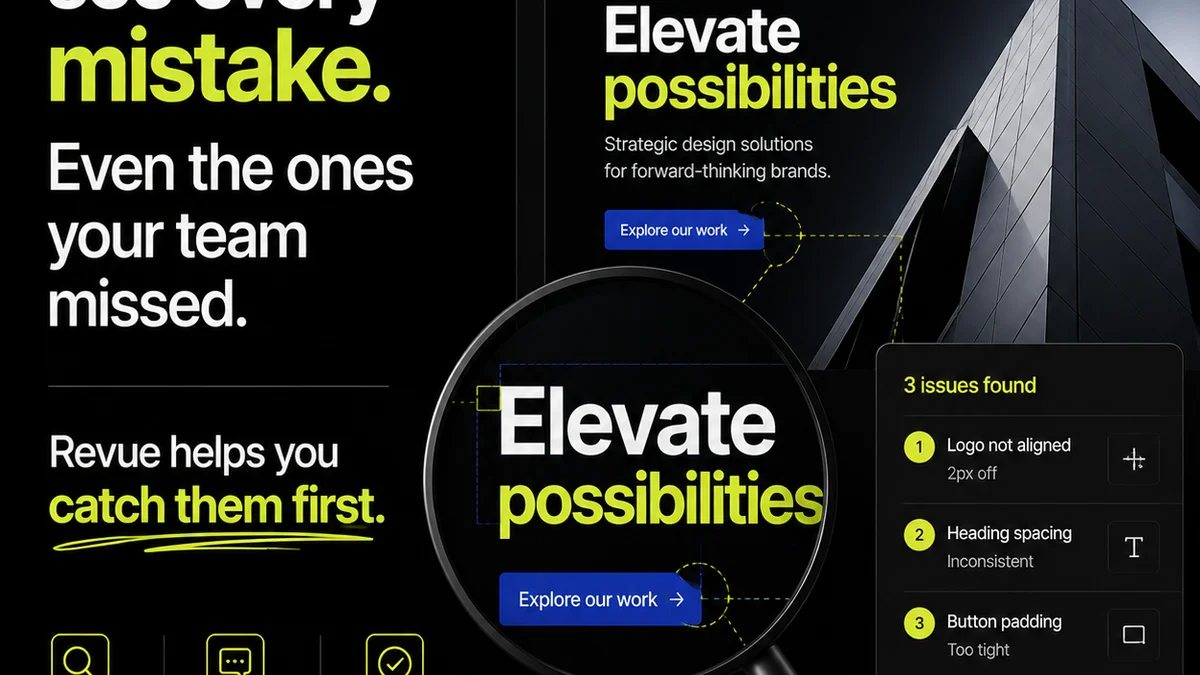
Revue helps centralize client feedback, making it easy to see all comments, annotations, and decisions in one place. This eliminates the scattered, easily lost emails and messages that plague creative reviews.
It provides clear visibility into revision cycles and approval statuses. You know exactly where a project stands, who needs to act, and what the history of changes has been. This structured approach drastically reduces ambiguity and accelerates approvals.
Furthermore, Revue facilitates quality checks by ensuring that feedback is addressed and revisions align with the approved scope. It acts as the single source of truth, ensuring that the final output meets both client expectations and internal quality standards.
While an external project management agency brings process and oversight, tools like Revue provide the operational backbone to execute that process flawlessly, especially when dealing with multiple stakeholders and complex feedback loops.
Final Thought
Choosing a project management agency is a strategic decision that can profoundly impact your agency’s profitability and your team’s sanity. It’s easy to get swayed by buzzwords and flashy presentations.
But the real test lies in their operational discipline, their understanding of creative nuances, and their ability to integrate seamlessly into your world.
Are you looking for a vendor, or a true operational partner? The answer will guide you to the right choice.
Frequently asked questions
What's the difference between a project manager and a project management agency?
A project manager is an individual role focused on overseeing specific projects. A project management agency is an external company that provides dedicated project management services, often with a team of specialists and established methodologies, to multiple clients or for larger initiatives.
How can an agency help with client feedback?
A good project management agency acts as a buffer and a filter for client feedback. They centralize all feedback, ensure it's clearly documented, contextualize subjective comments for the creative team, and manage the revision process to prevent scope creep and endless loops.
Should I choose an agency that specializes in my industry?
While not always mandatory, an agency with industry-specific experience can be highly beneficial. They'll likely understand your clients' needs, common challenges, and industry standards more quickly, reducing the learning curve and accelerating integration.
What are the signs of a bad project management agency?
Signs of a poor agency include lack of transparency, poor communication, an inability to adapt to creative workflows, over-reliance on tools without process, inconsistent delivery, and a failure to proactively identify and solve problems. Always check references thoroughly.