Everyone agrees that building accessibly is the right thing to do. You need to serve all users, comply with regulations, and avoid costly lawsuits. That’s the common wisdom. But it’s incomplete.
Focusing solely on compliance and 'doing the right thing' misses the real opportunity. The hard truth is that true accessibility isn't just a checkbox; it's a strategic advantage. Choosing the *right* accessibility agency can transform your construction projects from a compliance burden into a differentiator. But how do you find that agency when the market is flooded with consultants?
1. Beyond the Checklist: What to Look For
Most agencies will tell you they understand ADA, universal design, and inclusive principles. They’ll show you case studies of ramps and accessible restrooms. This is table stakes.
You need an agency that understands the *implications* of accessibility throughout the entire construction lifecycle. That means looking beyond just the final build and considering:
- Early-stage design integration: Can they influence architectural plans before costly changes are needed?
- Material selection: Do they understand how materials impact sensory experiences and durability for diverse users?
- User experience (UX) in physical spaces: How does the flow, signage, and tactile experience feel to someone with a visual impairment, mobility issue, or cognitive difference?
- Long-term maintenance and operational impacts: Will accessible features be easy to maintain and remain functional over time?
- The business case: Can they articulate how accessibility enhances brand reputation, market reach, and customer loyalty?
A great agency doesn't just audit; they partner. They embed accessibility thinking into your core processes.
The 'Accessibility Theater' Trap
Be wary of agencies that only talk about the letter of the law. This is 'accessibility theater' – performing compliance without genuine understanding or impact. They might point to a few compliance features while ignoring the broader user experience.
2. Decoding the Agency's Expertise
Expertise in accessibility for construction isn't monolithic. Different agencies bring different strengths. Understand what you need most.
Specialists vs. Generalists
Some agencies focus exclusively on accessibility consulting. Others might be architectural firms with an accessibility division, or even law firms offering compliance advice. Consider:
- Deep Dive Specialists: These firms live and breathe accessibility. They often have a profound understanding of user needs, assistive technologies, and emerging best practices. They are excellent for complex projects or when you need cutting-edge insights.
- Integrated Design Consultants: Agencies that blend accessibility expertise with architecture, urban planning, or interior design. They can seamlessly integrate accessibility into the design process from the ground up.
- Legal/Compliance Focused: These are often law firms or consultancies primarily concerned with risk mitigation and regulatory adherence. Useful for understanding legal requirements, but may lack the user-centric design perspective.
Look for Lived Experience
The best accessibility consultants often have direct or deep indirect experience with disability. This isn't about ticking a box; it's about genuine empathy and understanding that informs their recommendations. Ask about their team’s background and how they incorporate user perspectives.
Certifications and Affiliations
While not the sole determinant, relevant certifications (like Certified Access Specialist - CAS in California) and affiliations with reputable organizations (like the Web Accessibility Initiative - though primarily digital, their principles inform physical design) can indicate a baseline of knowledge. However, always probe deeper than the credentials.
3. Assessing Their Process and Deliverables
How an agency works is as important as what they know. Their process should align with your project needs and operational realities.
Methodology Matters
Ask about their assessment methods. Do they:
- Conduct on-site audits at various stages?
- Review architectural drawings and specifications?
- Engage with end-users or disability advocacy groups?
- Utilize accessibility simulation tools or techniques?
- Provide clear, actionable recommendations, not just a list of deficiencies?
Deliverables That Drive Action
What will they actually give you? A PDF report filled with jargon is useless. You need:
- Clear, prioritized recommendations: What needs to be fixed first, and why?
- Cost-benefit analysis: Understanding the investment required versus the risk avoided or value gained.
- Design guidance: How to implement solutions effectively within your project constraints.
- Training materials: For your internal teams and contractors.
The best deliverables are practical roadmaps, not academic exercises.
4. Evaluating Their Communication and Collaboration Style
Accessibility is a team sport. The agency you choose must be able to communicate effectively with diverse stakeholders.
Translating Technical Jargon
Can they explain complex accessibility concepts in plain English to architects, developers, clients, and even the general public? Avoid agencies that communicate only in technical codes or legalistic language.
Proactive Problem-Solving
When issues arise (and they will), does the agency act as a partner in finding solutions, or do they simply point fingers? Look for a collaborative, problem-solving approach.
Stakeholder Engagement
How do they plan to involve your team, your clients, and potentially end-users? Effective collaboration ensures buy-in and smoother implementation.
5. Understanding the ROI Beyond Compliance
This is where the contrarian view truly pays off. Accessibility isn't just a cost center; it's an investment with tangible returns.
Market Expansion
Accessible spaces attract a wider customer base. This includes seniors, people with disabilities, parents with strollers, and individuals with temporary injuries. This is a significant, often untapped, market segment.
Brand Reputation
Demonstrating a genuine commitment to inclusivity enhances your brand image. It signals that you care about all your customers and community members.
Risk Mitigation
While compliance is a baseline, proactive accessibility reduces the likelihood of expensive lawsuits, negative PR, and project delays.
Innovation Catalyst
Designing for the extremes often leads to innovations that benefit everyone. Think about curb cuts, which help skateboarders and people with luggage, or captions, useful in noisy environments.
An agency that understands and can articulate this ROI is invaluable. They move the conversation from obligation to opportunity.
Where Revue Fits In
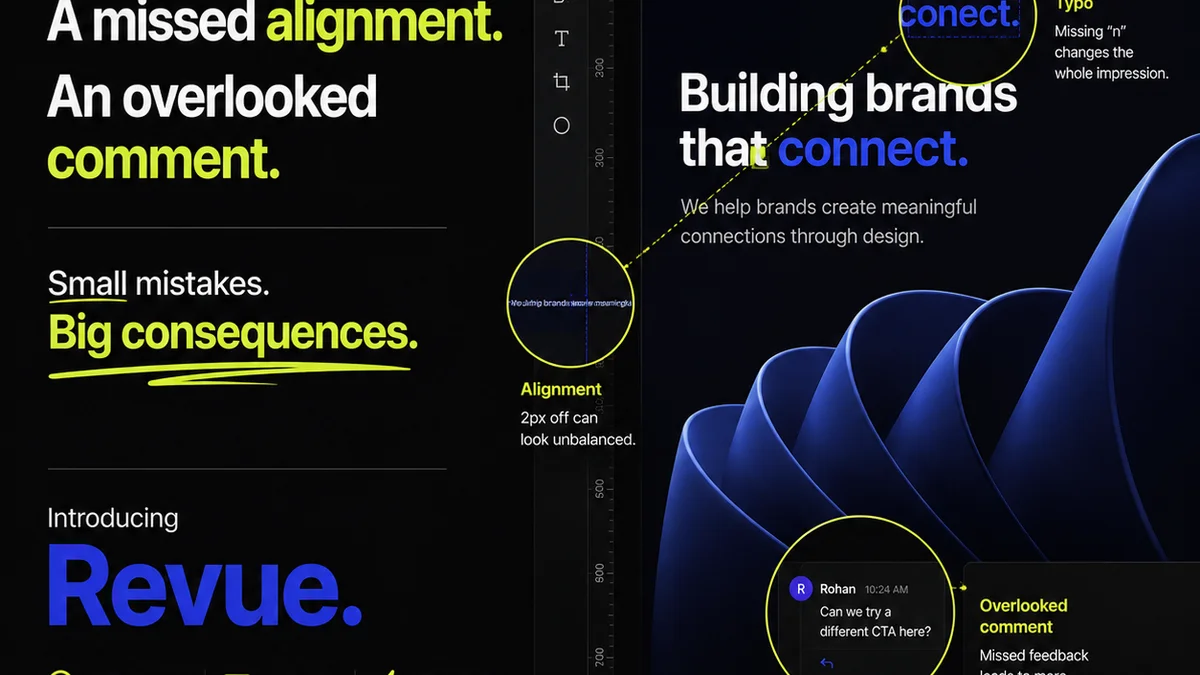
Managing feedback and revisions on any project can be complex. For accessibility, this complexity multiplies. Ensuring that accessibility requirements are met, changes are tracked, and approvals are clear requires robust systems.
Revue provides a centralized platform for managing all client feedback and internal revisions. This means:
- Centralized Feedback: All comments, whether about accessibility features or general design, are in one place. No more scattered email chains or missed notes.
- Revision Visibility: Track every change made in response to feedback. This creates a clear audit trail, crucial for demonstrating due diligence on accessibility compliance.
- Streamlined Approvals: Get clear sign-offs on design elements and implemented accessibility features, ensuring everyone is aligned.
- Quality Assurance: Use the platform to run final checks, ensuring that accessibility requirements have been correctly implemented before project completion.
By bringing clarity and control to the feedback and revision process, Revue helps ensure that accessibility considerations aren't lost in the shuffle.
Final Thought
Choosing an accessibility agency is more than a procurement decision; it's a strategic choice that impacts project success, user satisfaction, and your brand's long-term value. Are you looking for a compliance gatekeeper, or a partner who unlocks the full potential of inclusive design in construction?
Frequently asked questions
What is the difference between accessibility compliance and inclusive design?
Accessibility compliance focuses on meeting minimum legal standards (like ADA). Inclusive design goes further, aiming to create spaces usable and enjoyable by the widest range of people, regardless of age, ability, or circumstance, often exceeding minimum requirements.
How can an accessibility agency help reduce construction project risks?
An agency helps identify potential compliance gaps early, preventing costly retrofits and legal challenges. They also ensure features are designed and implemented correctly, reducing risks associated with user error or feature failure.
What are the key deliverables I should expect from an accessibility agency?
You should expect clear, actionable recommendations, prioritized lists of improvements, design guidance for implementation, cost-benefit analyses, and potentially training materials. Avoid agencies that only provide generic compliance checklists.
Can accessibility consulting actually improve my brand reputation?
Absolutely. A genuine commitment to accessibility signals a customer-centric approach and a desire to serve the entire community. This positive perception can differentiate your brand and attract a broader audience.