Everyone says you need to follow the RFP process. You need to check boxes for experience, compliance, and cost. That’s all true. But it’s not the whole story.
The real challenge in choosing a design agency for government work isn’t about paperwork. It’s about finding a partner who understands the unique constraints and opportunities of the public sector.
1. Understand the Public Sector Ecosystem
Government projects aren't just another client. They operate within a complex web of stakeholders, regulations, and public scrutiny.
You’re not just designing a website or a campaign. You’re communicating with citizens, explaining policy, or delivering essential services. The stakes are different. The audience is everyone.
The Stakeholder Maze
Think about who has a say. It’s not just one point person. You have:
- Agency leadership
- Legal counsel
- Procurement officers
- Subject matter experts
- End-users (the public)
- Oversight committees
An agency needs to navigate this, not just tolerate it. They need to demonstrate they can communicate effectively with diverse groups, translate complex needs into design solutions, and manage expectations across the board.
Regulatory Hurdles
Government work comes with built-in requirements. Accessibility is non-negotiable. Often, there are specific branding guidelines, data privacy laws, and security protocols.
Look for agencies that don’t just acknowledge these but have a proactive approach. Do they have a deep understanding of WCAG guidelines? Can they talk about secure data handling in design? Do they already know the common compliance pitfalls?
The Public Trust Imperative
Government agencies are stewards of public trust. Every interaction, every piece of communication, impacts that trust.
A design agency needs to grasp this. Their work should be clear, transparent, and serve the public good. It’s not about flashy trends; it’s about effective, responsible communication.
2. Look Beyond the Standard Portfolio
Most agencies will show you their best work. For government, you need to look deeper.
A slick corporate rebrand is impressive, but does it tell you how they handle a project with a 12-month lifecycle, multiple review stages, and public feedback loops?
Case Studies That Matter
Ask for case studies that mirror your challenges. Not just the final output, but the process.
- How did they handle scope changes?
- How did they incorporate feedback from non-designers?
- How did they ensure accessibility compliance throughout?
- What were the key learnings from projects with similar constraints?
The best agencies will have stories about navigating bureaucracy, not just creating beautiful visuals. They’ll talk about iterative processes and managing diverse feedback.
Understanding of Public Service Design
This is a specialized skill. It means designing *for* the public, not just *at* them.
Does the agency have experience with user research in public settings? Do they understand how to design for low digital literacy? Can they create materials that are easily understood by a broad demographic?
Look for evidence of empathy in their approach. This means understanding the real-world context of the citizens they are serving.
3. Vet Their Process and Collaboration Style
How an agency works is as important as what they produce.
Government projects often demand a high degree of collaboration and transparency. You need an agency that feels like an extension of your team, not an external vendor.
Communication Cadence and Tools
How will they keep you informed? What tools will they use for project management and feedback?
A government project requires clear communication channels. You need to know who is responsible for what, where the project stands, and what decisions are needed.
Look for agencies that are comfortable with structured communication. Regular check-ins, clear documentation, and defined points of contact are crucial.
Adaptability and Flexibility
Things change in government. Budgets shift, priorities evolve, new directives emerge.
Your chosen agency must be adaptable. Can they pivot without derailing the project? Do they have a process for managing change requests that is both efficient and compliant?
This isn't about an agency being wishy-washy. It's about their ability to navigate the realities of public sector operations.
Data-Driven Decision Making
While creativity is key, government projects often require justification. How will the agency’s design decisions be supported?
Look for an agency that uses data and user research to inform their design. This could be through analytics, user testing, or surveys.
This approach not only leads to better outcomes but also provides a solid basis for explaining design choices to stakeholders.
4. Assess Their Understanding of Accessibility and Inclusivity
This isn't a nice-to-have for government projects; it's a mandate.
An agency must demonstrate a deep commitment to accessibility and inclusive design principles.
Beyond Compliance Checks
Many agencies can run an accessibility checker. That’s the bare minimum.
The ideal agency integrates accessibility from the start. They understand that designing for people with disabilities often results in better design for everyone.
- Do they have designers trained in accessibility standards like WCAG 2.1 AA or AAA?
- Can they conduct usability testing with users with disabilities?
- Do they understand inclusive language and imagery?
- Do they consider different device types and connection speeds?
This proactive approach saves time and avoids costly rework down the line.
Designing for Diverse Audiences
Government serves everyone. Your design partner needs to reflect that reality.
This means considering users with varying levels of digital literacy, different cultural backgrounds, and diverse language needs.
An agency that prioritizes inclusivity in their design process will create solutions that are more effective and equitable for all citizens.
5. Where Revue Fits In
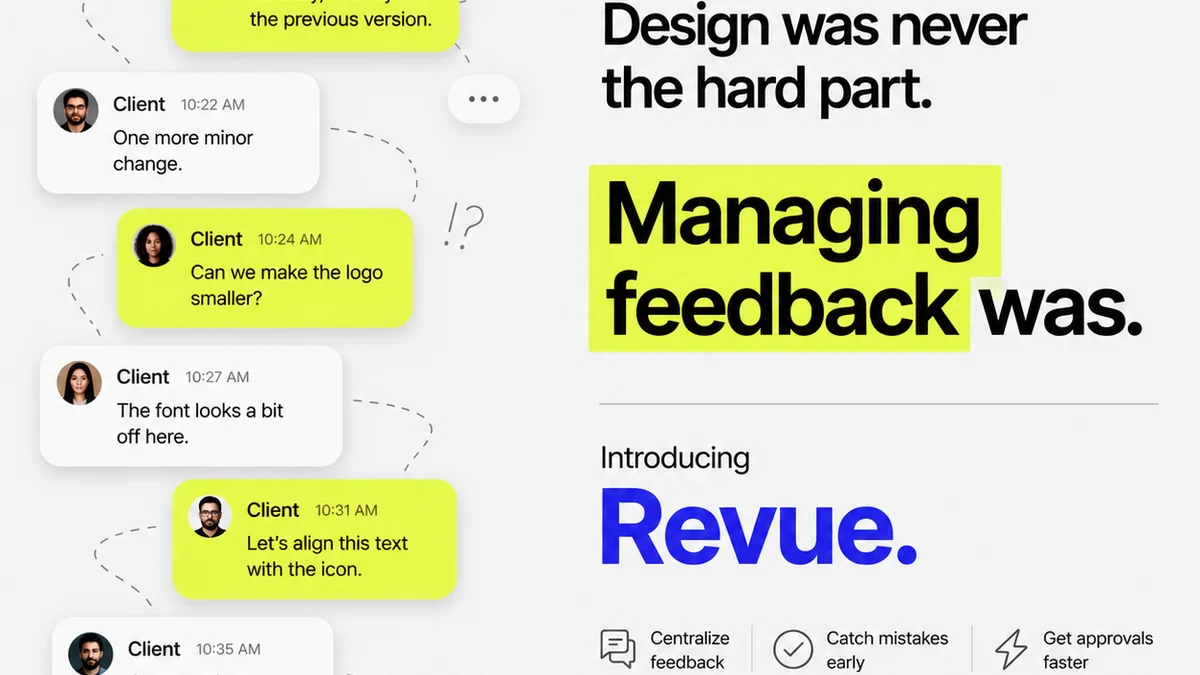
Managing feedback, revisions, and approvals for government design projects can be a bureaucratic labyrinth. This is where a centralized platform becomes invaluable.
Revue helps government agencies and their chosen design partners streamline the creative review process. Instead of endless email chains and scattered feedback documents, you get a single source of truth.
Imagine having all stakeholder comments, version history, and approval statuses clearly documented and visible. This transparency is crucial when dealing with multiple departments and oversight.
Revue allows for precise annotation directly on creative assets, ensuring feedback is unambiguous. This reduces misinterpretation and speeds up revisions.
For complex government projects with many decision-makers, tracking approvals becomes straightforward. This ensures accountability and keeps the project moving within compliance and budget parameters.
Ultimately, using a tool like Revue ensures that the design agency’s work is reviewed efficiently, revisions are managed effectively, and quality checks are documented, all while maintaining a clear audit trail.
6. Final Thought
Choosing a design agency for government work is about more than just picking the lowest bid or the prettiest portfolio. It’s about finding a strategic partner who understands the unique responsibilities and complexities of serving the public.
Are you looking for an agency that just executes, or one that truly collaborates to achieve public service goals?
Frequently asked questions
What are the key differences between choosing a design agency for government vs. private sector clients?
Government projects involve more complex stakeholder landscapes, stringent regulatory requirements (like accessibility), a focus on public trust, and often longer, more bureaucratic approval processes. Private sector projects may prioritize speed-to-market or brand differentiation more heavily.
How important is accessibility when selecting a design agency for government work?
Accessibility is paramount and often a legal requirement for government projects. You need an agency that doesn't just check boxes but integrates accessibility principles from the outset into their design and development process, adhering to standards like WCAG.
What kind of case studies should I ask for from potential government design agencies?
Look for case studies that demonstrate experience with complex stakeholder management, navigating regulatory environments, iterative feedback processes, and designing for diverse public audiences. Focus on the process and problem-solving, not just the final visual output.
How can a platform like Revue help in managing a government design project?
Revue centralizes feedback, streamlines revisions, and provides clear visibility into approval statuses. This reduces miscommunication, ensures accountability, and creates an auditable trail, which is critical for complex government projects with multiple stakeholders and oversight.