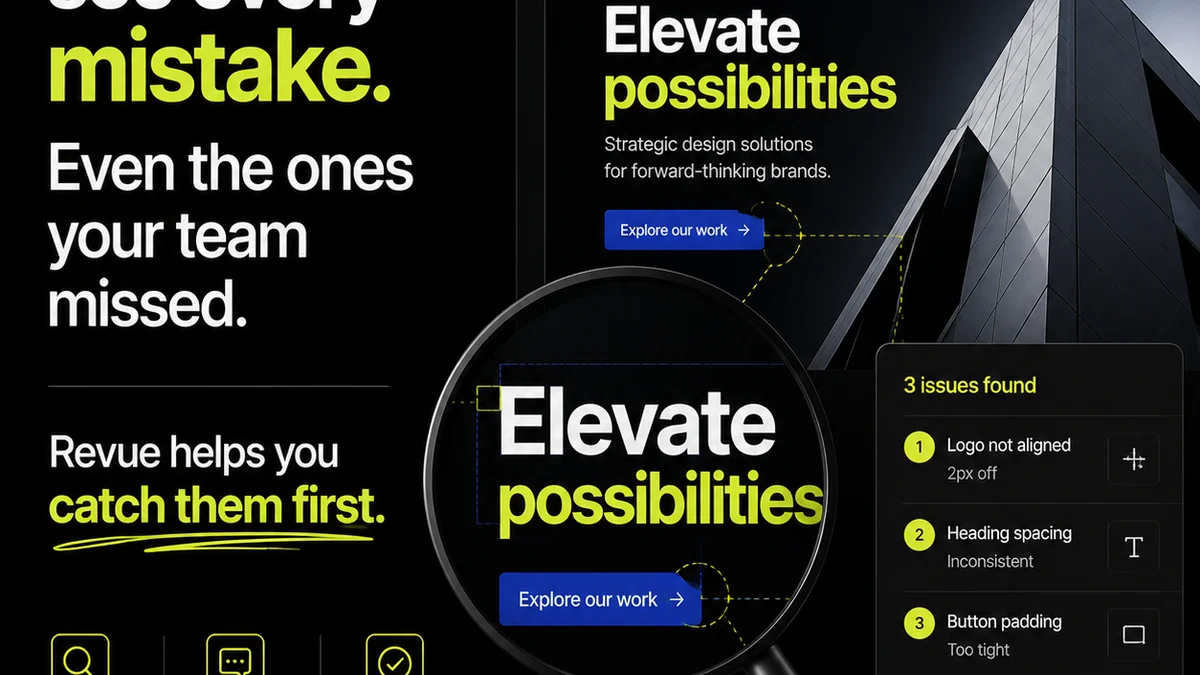
Everyone talks about the importance of client feedback. It’s the lifeblood of creative projects, right? The key to hitting the mark and ensuring client satisfaction. None of that is wrong. But it’s incomplete.
The real truth? The client feedback *process* is often the biggest bottleneck in modern creative workflows, grinding projects to a halt and draining team energy. Most teams treat feedback as a passive event, something that just happens *to* them. They wait for emails, sift through scattered messages, and try to decipher vague comments. This reactive approach is a recipe for disaster.
The hard truth is that a broken feedback process isn't just annoying; it's a direct hit to your bottom line, impacting project timelines, team morale, and ultimately, the quality of the work you deliver. It turns brilliant creative ideas into endless, frustrating cycles of revisions.
1. The Myth of 'Just Send It Over'
Many agencies and in-house teams operate under the assumption that once the creative work is done, the feedback part is simple. Just send it to the client, get their thoughts, and make the changes. Easy.
This is where the wheels come off. The reality is far more complex. Client feedback isn't a monolithic block; it's a messy, multi-headed beast with varying levels of clarity, urgency, and actionable insight.
The Feedback Ecosystem
Think about it. Feedback can come from:
- The primary client contact
- The client's legal department
- The client's marketing manager
- The client's boss who 'just wanted a quick look'
- The client's internal stakeholders who were never part of the initial briefing
Each of these voices has a different perspective, priority, and understanding of the project goals. Without a structured way to manage these inputs, you're left trying to triangulate meaning from a fog of opinions.
Vagueness is the Enemy
Comments like 'I don't love it,' 'Make it pop,' or 'Can we try something else?' are common. They're also useless without context or specific direction. This vagueness stems from a lack of clear communication *before* and *during* the feedback stage.
Your team spends hours interpreting these comments, making changes, and resubmitting, only to get more vague feedback. It's a demoralizing loop.
2. The Cost of Scattered Feedback
When feedback isn't centralized, the costs are immediate and significant. It’s not just about wasted time; it’s about lost opportunity and damaged relationships.
Time Drain
How much time does your team spend:
- Searching through email chains for specific comments?
- Trying to reconcile conflicting feedback from different stakeholders?
- Re-doing work because feedback was misunderstood or missed?
- Chasing down clients for clarification?
This isn't billable work. This is operational drag that eats into your profit margins and prevents your team from focusing on high-value creative tasks.
Misinterpretation and Errors
Different platforms, different formats, different people. It’s a recipe for misinterpretation. A comment made verbally in a meeting might be forgotten or misremembered when translated into an email. A note on a PDF might be missed if the client sends a new version later. This leads to errors, rework, and frustration on both sides.
Damaged Client Relationships
Constantly asking for clarification, delivering revisions that miss the mark, and missing deadlines erodes client trust. They start to see you as inefficient or unresponsive, even if the root cause is a broken feedback system.
A smooth, professional feedback process, on the other hand, builds confidence and strengthens partnerships.
3. Building a Robust Feedback Framework
Moving beyond the 'just send it over' mentality requires a deliberate, structured approach. It's about creating a system that guides and clarifies feedback, making it actionable and efficient.
Clear Briefing and Goal Alignment
The foundation of good feedback is a crystal-clear brief. Ensure all stakeholders understand and agree upon the project objectives, target audience, key messaging, and desired outcomes *before* any creative work begins.
Regularly reiterate these goals throughout the project, especially when presenting creative work for review. This keeps everyone aligned and provides a benchmark for evaluating feedback.
Establishing Feedback Channels
Define *how* feedback will be collected and managed. Will it be through a dedicated platform? A specific meeting cadence? A standardized document? The key is consistency.
Avoid ad-hoc feedback via Slack messages, personal emails, or random text messages. These are impossible to track and manage systematically.
Defining Roles and Responsibilities
Who is the ultimate decision-maker? Who provides input? Who needs to be informed? Clearly defining these roles upfront prevents conflicting directives and ensures feedback comes from the right sources.
This is crucial when dealing with multiple client stakeholders. Designate a primary point of contact for consolidating feedback.
Setting Expectations for Feedback
Communicate clearly what constitutes useful feedback. Educate your clients (gently) on the difference between subjective preference ('I don't like the color') and objective critique ('The blue doesn't align with our brand guidelines and test poorly with our target demographic').
Provide examples of good feedback during the briefing stage. This sets the stage for more constructive input later on.
Scheduled Review Points
Don't wait until the end of a project to get feedback. Build in regular, structured review points at key milestones. This allows for course correction early and prevents major issues from derailing the project later.
These review points should have a clear agenda, a defined scope, and a time limit.
4. Where Revue Fits In
Managing this entire feedback ecosystem manually is a Herculean task. This is where a centralized platform like Revue becomes essential for modern creative teams.
Revue is designed to streamline the entire client feedback, revision, and approval process. It acts as a single source of truth, eliminating the chaos of scattered communication.
Centralized Feedback Collection
Instead of wading through endless email threads or deciphering scribbled notes, all client feedback is gathered in one place. Stakeholders can comment directly on specific elements of the creative work, providing context and clarity.
This means no more 'lost in translation' moments.
Clear Revision and Approval Tracking
See exactly who has reviewed what, what feedback has been given, and what changes have been made. Every version, every comment, every approval is logged, creating an irrefutable audit trail.
This transparency builds trust and accountability.
Streamlined Quality Checks
Before work even gets to the client, ensure it meets internal standards. Revue helps teams conduct thorough quality checks, ensuring all feedback has been addressed and the final output is polished and professional.
This reduces the risk of last-minute, superficial changes that degrade quality.
By centralizing feedback, managing revisions, and tracking approvals, Revue empowers creative teams to move faster, reduce errors, and deliver exceptional work with less friction.
5. The Human Element: Empathy and Communication
Technology and process are vital, but they don't replace the human element. Effective feedback management also relies on empathy and strong communication skills.
Understand the Client's Perspective
Clients are under pressure too. They have their own goals, constraints, and stakeholders to manage. Try to understand their position and frame your communication accordingly.
Ask clarifying questions with curiosity, not defensiveness. 'Can you help me understand what you mean by X?' is far more effective than 'That doesn't make sense.'
Be Proactive, Not Reactive
Anticipate potential feedback points or areas of confusion. Address them upfront during presentations or in your documentation.
If a client is known to struggle with abstract concepts, provide concrete examples. If they are easily overwhelmed by too many options, present a more curated selection.
Build Trust Through Reliability
The best way to get good feedback is to build a reputation for delivering excellent work, efficiently and professionally. A well-managed feedback process is a key component of that reliability.
When clients trust your process, they are more likely to provide constructive, actionable input.
Final Thought
Is your team waiting for feedback, or are you actively managing it? The difference between a project that sails smoothly and one that gets bogged down in endless revisions often comes down to a well-defined, consistently applied feedback process. It’s not just about getting comments; it’s about orchestrating a collaborative dialogue that drives creative excellence. How can you transform your client feedback loop from a bottleneck into a catalyst for better work?
Frequently asked questions
What is the most common problem with client feedback?
The most common problem is scattered, vague, or conflicting feedback that is difficult to track and act upon. This often arises from a lack of a structured feedback process, leading to misinterpretations, endless revisions, and project delays.
How can creative teams improve client feedback?
Improvement comes from establishing clear communication channels, defining roles and responsibilities, setting expectations for feedback quality, aligning on project goals, and using a centralized platform to collect, track, and manage all feedback and revisions.
Why is a centralized feedback platform important?
A centralized platform like Revue provides a single source of truth for all feedback, comments, and approvals. This eliminates confusion, reduces time spent searching through emails, ensures all input is captured, and creates a clear audit trail, leading to more efficient revisions and faster approvals.
How do you handle conflicting feedback from multiple client stakeholders?
Clearly define roles and responsibilities upfront, designating a primary point of contact for consolidating feedback. Then, use a centralized system to log all input, making it easier to identify conflicts and facilitate discussions to reach a consensus based on the original project brief and goals.