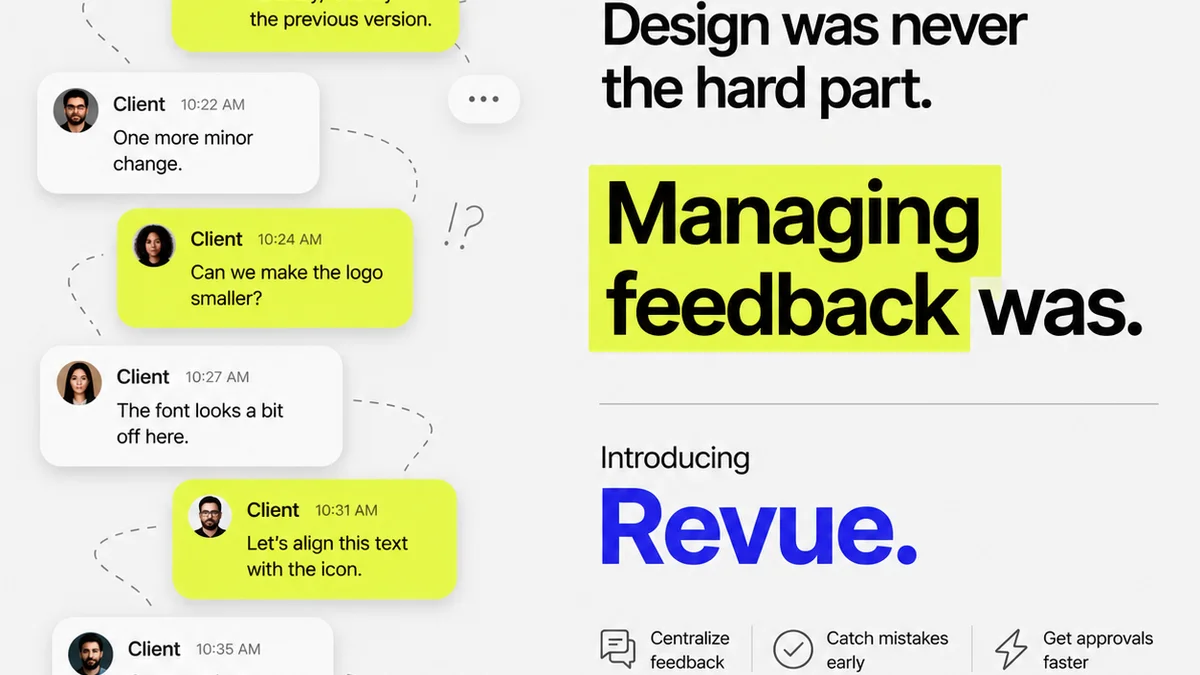
Everyone thinks they have a client feedback process. You send a draft, you get notes, you make changes, you get approval. Simple, right?
None of that is wrong. But it’s incomplete.
The hard truth is, a *good* client feedback process isn’t just about getting a sign-off. It’s about fostering clarity, managing expectations, and ensuring the final creative work actually *works*. It’s a strategic lever, not just an administrative hurdle.
1. Defining the Scope: The Foundation of Feedback
Before any creative work even begins, the feedback loop needs to be established. This isn't about being difficult; it's about being prepared.
What are we actually building? What does success look like?
Understanding Objectives
Every project starts with goals. Are we launching a new product? Driving brand awareness? Increasing conversions?
Without crystal-clear objectives, feedback becomes subjective and directionless. “I don’t like it” is useless without context.
Identifying Stakeholders
Who has the final say? Who needs to be consulted? Who is providing the input?
Mismanaging stakeholders leads to conflicting feedback, endless revisions, and a diluted final product. Map this out early.
Setting Communication Channels
Where will feedback live? Email? Slack? A dedicated platform?
A defined channel prevents notes from getting lost or misinterpreted. It creates a single source of truth.
Establishing Timelines and Cadence
When will feedback be provided? How long do reviewers have?
Unrealistic turnaround times cripple the creative process. Setting expectations upfront prevents rushed work and frustration.
2. The Creative Brief: Your North Star
The creative brief is the single most critical document in the client feedback process. If it's weak, everything that follows will be a struggle.
It’s the shared understanding of the project’s DNA.
Key Brief Components
- Project overview and background
- Clear, measurable objectives
- Target audience definition
- Key messages and calls to action
- Mandatories and constraints (brand guidelines, technical specs)
- Deliverables and scope of work
- Success metrics
A comprehensive brief acts as a filter for all subsequent feedback. If a comment doesn’t align with the brief, it’s easier to question or push back constructively.
Briefing the Client
Don't just hand over a template. Walk the client through it. Ensure they understand and agree with every point.
This isn't a one-way street. It’s a collaborative alignment.
3. The Feedback Loop: Structure is Key
This is where most processes break down. Unstructured feedback is a creativity killer.
Think of it less as a
Frequently asked questions
What is the most important part of a client feedback process?
The most critical element is a well-defined creative brief that clearly outlines project objectives, target audience, and success metrics. This brief serves as the foundation and reference point for all feedback and revisions.
How can I avoid conflicting feedback from multiple stakeholders?
Clearly identify all stakeholders and their roles (e.g., decision-maker, advisor) early in the project. Establish a primary point of contact for feedback consolidation and ensure all reviewers understand the project's objectives.
What should I do if client feedback contradicts the brief?
Refer back to the agreed-upon creative brief. Politely point out the discrepancy and discuss how the feedback aligns (or doesn't align) with the project's objectives. This conversation should focus on achieving the agreed-upon goals.
How can technology improve my client feedback process?
Centralized platforms can streamline communication, organize feedback by version, and provide clear audit trails. This reduces miscommunication, lost notes, and ensures everyone is working from the latest information.